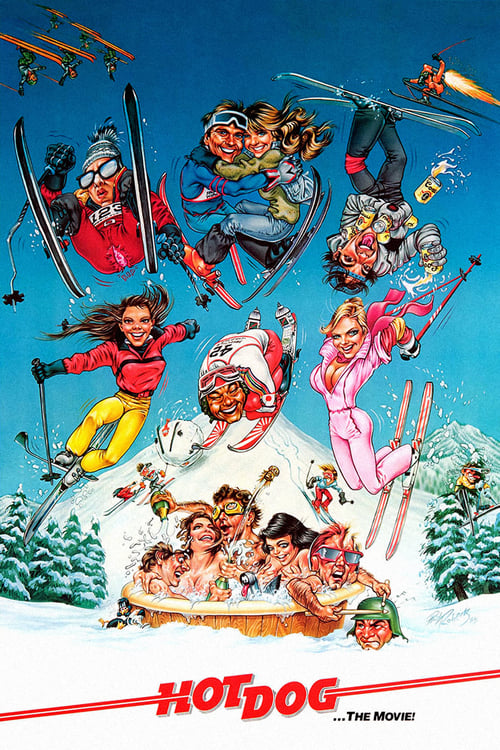
Hot Dog... The Movie
1984
No user ratings available yet
Representation score: 1.1 out of 10
Representation Score
Fair
1985
RDirector
Herb Freed
Runtime
91 minutes
Average Rating
No ratings yetNew Showbiz Analysis
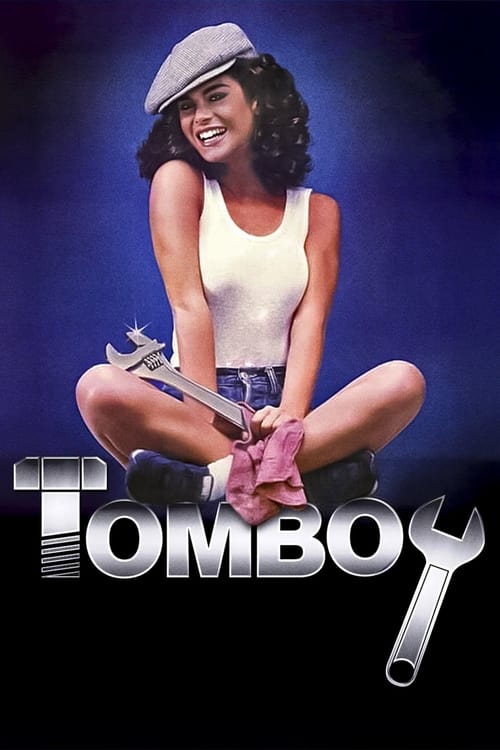
Tomboy stands out for its departure from traditional gender roles, presenting a female lead who rejects the era's innocence in favor of aggressive, obsessive behavior. This creates a unique, though unsettling, character dynamic. However, the film is limited by a lack of diverse representation. It sticks to the demographic norms of its time, lacking meaningful portrayal of disabilities or neurodivergence. Ultimately, while it avoids traditional moralizing, it treats psychological dysfunction primarily as a plot device rather than a nuanced character study.
Category Breakdown
The film doesn't show characters with diverse gender identities or sexual orientations. It focuses on a single romantic relationship without exploring different LGBTQ+ experiences.
The main character breaks away from passive female stereotypes of the 1980s by being aggressive and voyeuristic. She takes control of the story through her actions rather than traditional feminine roles.
The cast seems uniform, typical of mid-1980s suburban movies. There's no indication of intentional diversity in casting or racial mixing.
The story looks at moral ambiguity by showing antisocial behaviors without a traditional moral framework. It emphasizes psychological impulses over social norms.
There are no characters with visible or invisible disabilities who have real control over their lives. The film might use psychological issues just as a plot device.
Present on Screen
Limited or Absent
Official Synopsis
A budding female race-car driver finally meets her racing idol and unbelievably they fall in love...a love that's quickly put to the test when, having received the chance to show her racing talents, the two find themselves in a race for a multi-million dollar sponsorship contract.
1984

1964
1986
1980

1995
1988
1996

1982
No reviews yet. Be the first to share your thoughts on this movie!
Use the rating form above to leave a star rating and optional review.