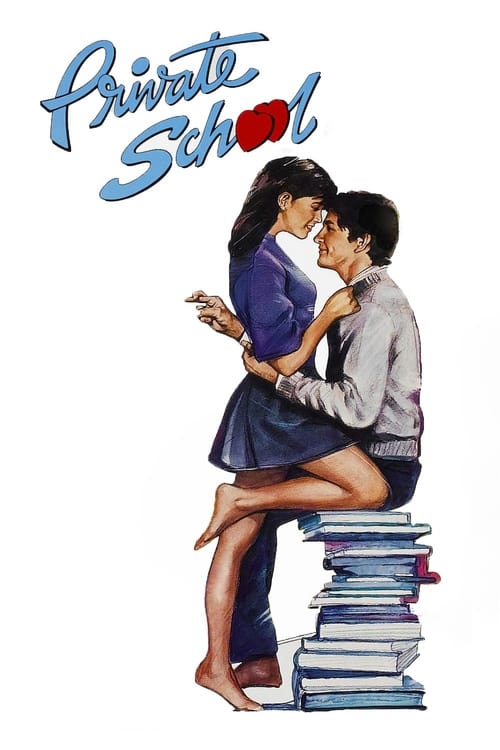
Private School
1983
No user ratings available yet
Representation score: 2.4 out of 10

Representation Score
Limited
1985
RDirector
Mel Damski
Runtime
93 minutes
Average Rating
No ratings yetNew Showbiz Analysis
Mischief is a conventional coming-of-age film that relies on traditional narrative structures. While it offers some progressive value by focusing on female-driven conflict and challenging domestic authority, these elements remain confined to the character dynamics. The film lacks broader diversity, failing to include varied racial, ethnic, or LGBTQ+ perspectives. The romantic and social structures remain traditional, reflecting a homogeneous mid-century setting. Ultimately, the film serves as a focused look at generational conflict rather than a broader critique of societal institutions.
Category Breakdown
The film follows traditional heterosexual norms. There are no representations of same-sex relationships or non-binary gender identities in the romantic pairings.
The story focuses on women's roles and interpersonal dynamics. It challenges traditional patriarchal structures by highlighting rebellion against strict matriarchal authority figures.
The setting is predominantly homogeneous. It reflects a specific mid-20th century American demographic without diverse ethnic or racial perspectives.
The story examines the tension between personal freedom and institutional traditions. It critiques the rigidity of family structures through the lens of teenage rebellion.
There are no visible or invisible disabilities depicted. Characters with disabilities are not used as part of the main narrative.
Present on Screen
Limited or Absent
Official Synopsis
1956: The shy Jonathan's luck with girls changes when he wins the rebellious Gene as a friend in his last year of high school. Gene is adored by many girls and manages to teach Jonathan a few lessons. Gene himself would rather just be with one girl: his girlfriend Bunny. But since his father is poor, her parents don't accept him.
1983
1947

1990

1980
1985
1938
1983
1986
No reviews yet. Be the first to share your thoughts on this movie!
Use the rating form above to leave a star rating and optional review.