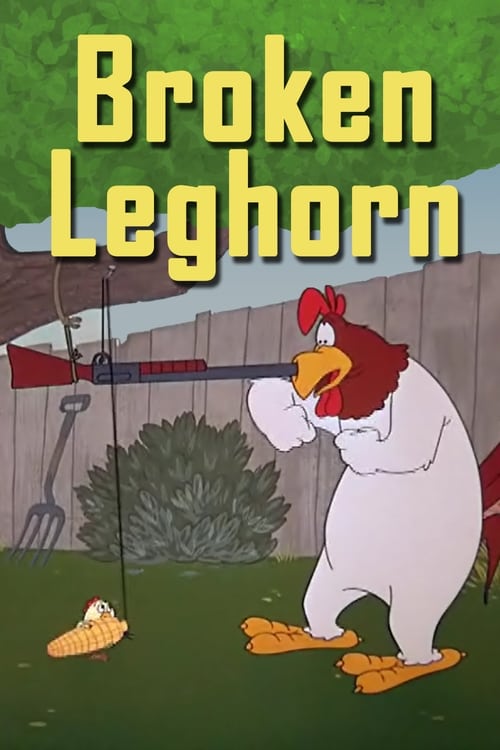
A Broken Leghorn
1959
No user ratings available yet
Diversity score: 1.0 out of 10
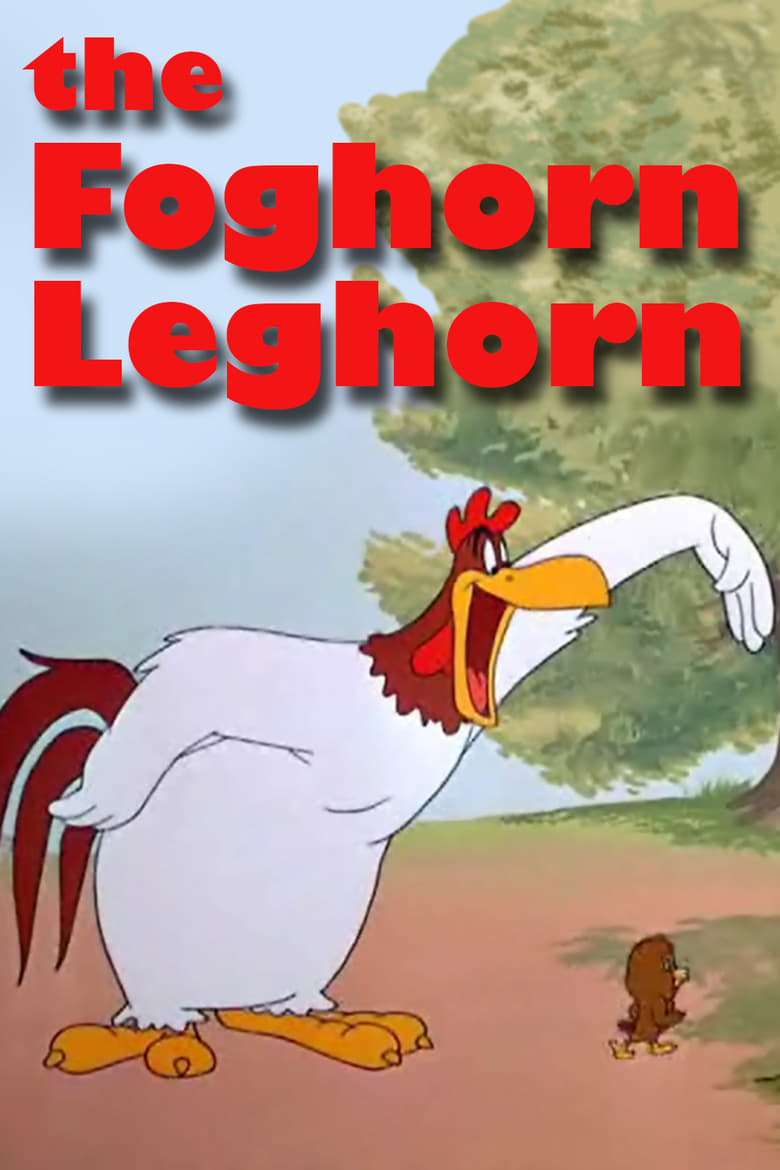
1948
ApprovedDirector
Robert McKimson
Runtime
7 minutes
Average Rating
No ratings yetSynopsis
Little Henery the Chicken Hawk wants to prove he's big enough to hunt chickens, but he doesn't know what a chicken is. He labels Foghorn Leghorn a loud-mouthed shnook and dismisses him, prompting Foggy to indignantly try to prove he's a chicken and therefore fit to be Henery's prey.
Overall Score
Minimal
Category Breakdown
LGBTQ+ Representation
The film focuses entirely on anthropomorphic birds in a farm setting. There is no presence of non-cisnormative identities or same-sex intimacy.
Gender Representation
Foghorn Leghorn embodies traditional masculine archetypes through loud-mouthed dominance and bluster. The absence of female characters prevents any gender-based narrative complexity.
Racial & Ethnic Diversity
The cast is homogeneous in species, reflecting a narrow, traditionalist worldview. It lacks racial or ethnic diversity or any use of species as ethnic metaphors.
Religious & Cultural Diversity
The story operates within a conventional Western agrarian framework. It lacks systemic critique, secularism, or any deconstruction of Western institutions.
Disability Representation
No characters are depicted with physical, sensory, or neurodivergent disabilities. Movements are driven by slapstick requirements rather than lived experiences of disability.
Strengths
Areas for Improvement
AI Analysis
The Foghorn Leghorn (1948) is a product of the Golden Age of animation, prioritizing slapstick comedy and character archetypes over social commentary. The narrative relies on established tropes of masculine bluster and a closed, hierarchical ecosystem. Because the film is centered on anthropomorphic animals in a mid-century farm setting, it lacks human-centric diversity. It does not attempt to subvert traditional gender roles or engage with intersectional representation, instead reinforcing a narrow, traditionalist worldview. Ultimately, the film functions as a quintessential example of era-specific entertainment, focusing on individual ego and physical humor rather than any meaningful social or cultural deconstruction.
1959
1946
1950
1948
1949
1953
1953
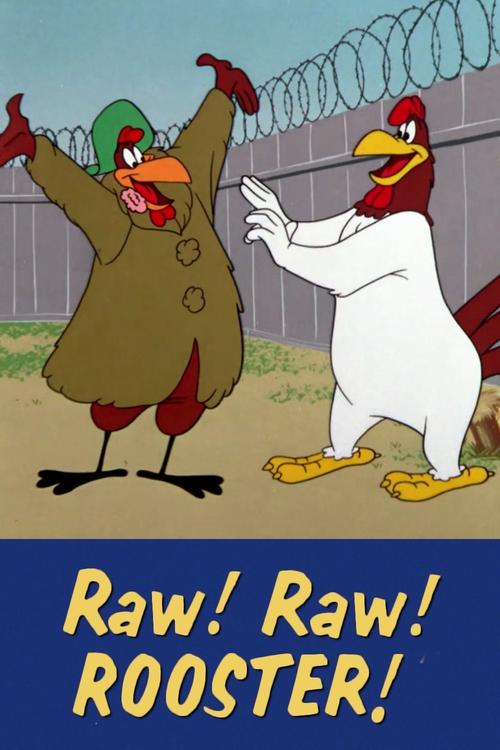
1956
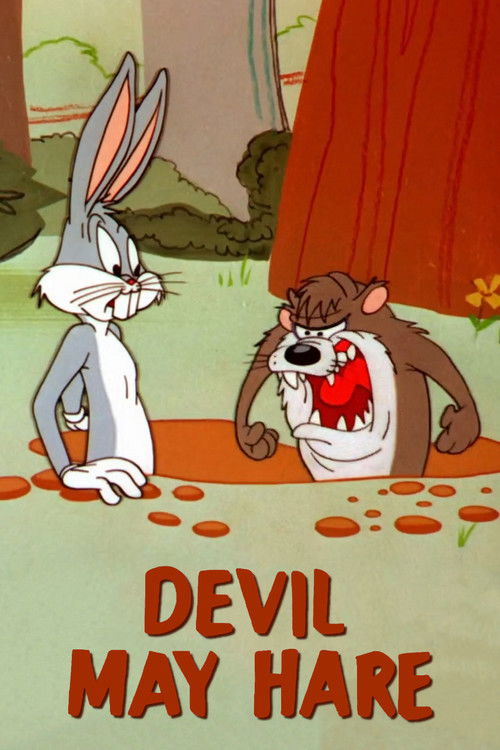
1954
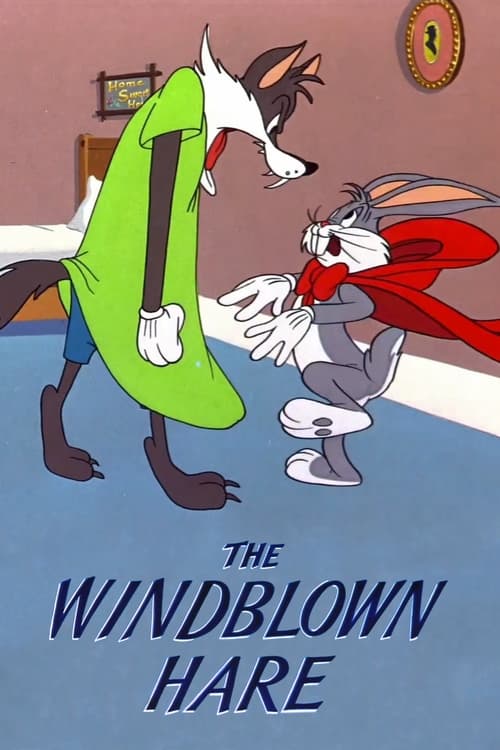
1949
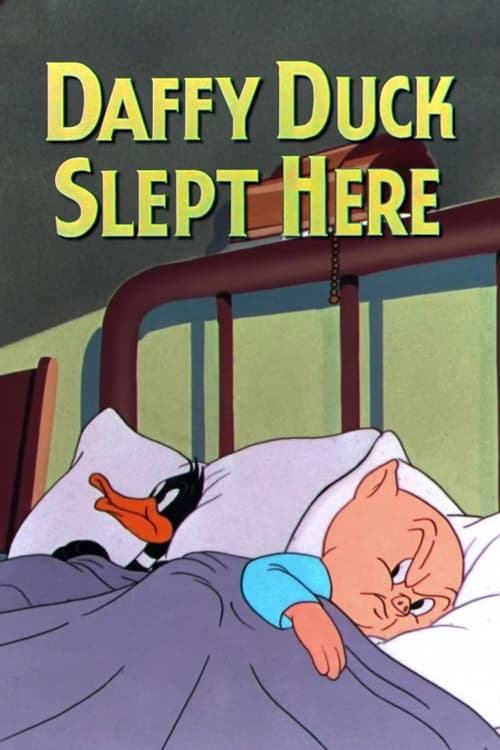
1948
1953
No reviews yet. Be the first to share your thoughts on this movie!
Use the rating form above to leave a star rating and optional review.