Crowing Pains
1947
No user ratings available yet
Representation score: 0.3 out of 10
Representation Score
Minimal
1946
ApprovedDirector
Robert McKimson
Runtime
7 minutes
Average Rating
No ratings yetNew Showbiz Analysis
Walky Talky Hawky is a period-specific piece of slapstick animation that prioritizes comedic timing over social commentary. The narrative operates within a closed, anthropomorphic world that lacks engagement with diverse identities or social power dynamics. The film relies on established character types and traditional pursuit-and-evasion frameworks, focusing on slapstick humor and physical comedy.
Category Breakdown
The film does not depict any LGBTQ+ identities or same-sex relationships. Character interactions focus on predator-prey dynamics and comedic antagonism.
The film lacks female characters, resulting in a lack of gendered complexity. Male characters drive the plot through displays of dominance and physical strength.
Character designs are uniform, following traditional 1946 Western animation styles. The anthropomorphic cast does not represent diverse ethnic identities.
The film adheres to traditional narrative structures and individualistic conflicts. It does not address systemic issues or challenge Western institutional norms.
No characters are shown with visible or invisible disabilities. Slapstick injuries are used for comedy rather than representing impairments.
Present on Screen
Limited or Absent
Official Synopsis
Young Henery Hawk's father regretfully admits their family's shame: they hunt and eat chickens. Henery set off to find one, and comes across Foghorn Leghorn, where the loudmouth rooster is engaged in his favorite pastime, playing tricks on grumpy Barnyard Dog.
1947
1953
1952
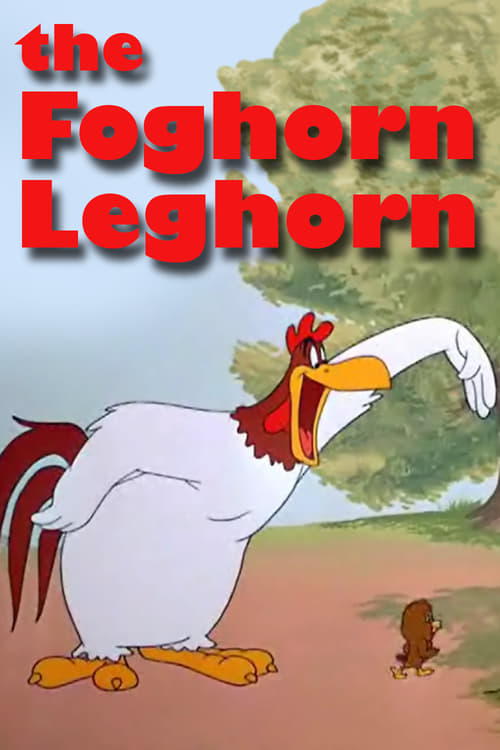
1948
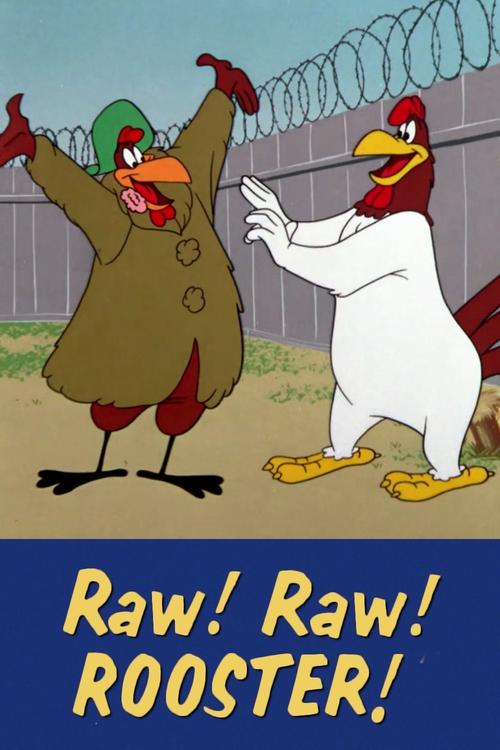
1956
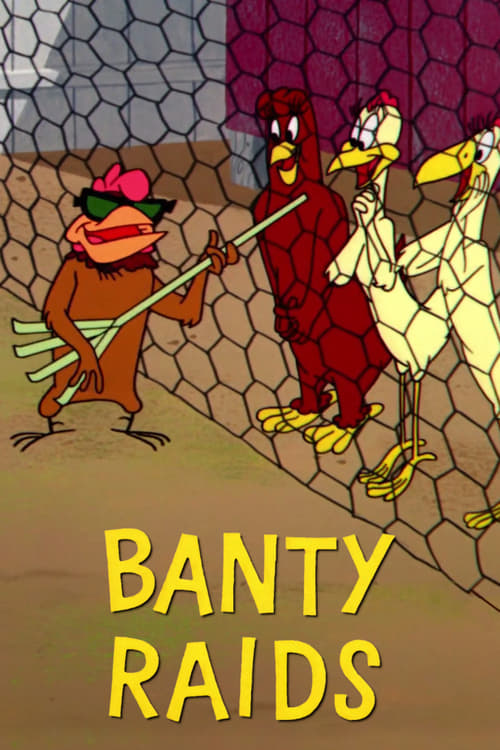
1963
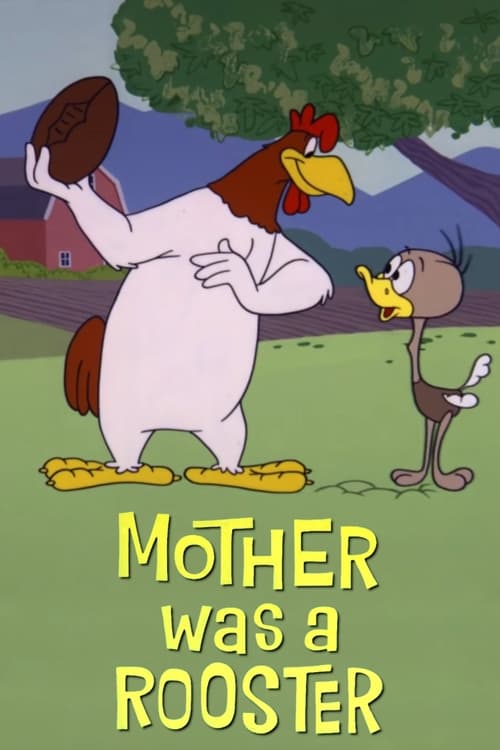
1962
1959
No reviews yet. Be the first to share your thoughts on this movie!
Use the rating form above to leave a star rating and optional review.