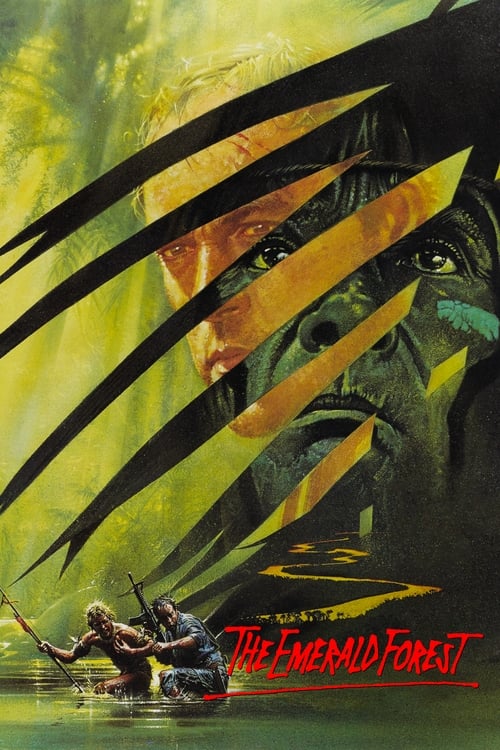
The Emerald Forest
1985
No user ratings available yet
Representation score: 3.8 out of 10

Representation Score
Limited
1984
PGDirector
Hugh Hudson
Runtime
143 minutes
Average Rating
No ratings yetNew Showbiz Analysis
Greystoke functions as a period drama that prioritizes the tension between nature and nurture over modern identity politics. It adheres to traditional historical frameworks, limiting its depth in reflecting multiple aspects of identity. The film challenges the perceived superiority of Western social structures by critiquing the performative nature of civilized social codes. Ultimately, the lack of diverse casting and the colonialist perspective result in a traditional approach to representation.
Category Breakdown
The story focuses on biological lineage and the protagonist's integration into human society, offering no queer subtext.
Jane Porter displays more ability to act than typical Victorian archetypes, but the film ultimately relies on her to facilitate the protagonist's transition into patriarchal British aristocracy.
The film is framed through a colonial lens, depicting Africa as a site for European discovery and centering a white protagonist's journey toward European nobility.
The story contrasts natural honesty with rigid Victorian hierarchies, suggesting that civilization imposes artificial restrictions on the human spirit.
There are no prominent depictions of visible or invisible disabilities, and no such traits serve as central drivers for the narrative.
Present on Screen
Limited or Absent
Official Synopsis
A shipping disaster in the 19th Century has stranded a man and woman in the wilds of Africa. The lady is pregnant, and gives birth to a son in their tree house. Soon after, a family of apes stumble across the house and in the ensuing panic, both parents are killed. A female ape takes the tiny boy as a replacement for her own dead infant, and raises him as her son. Twenty years later, Captain Phillippe D'Arnot discovers the man who thinks he is an ape. Evidence in the tree house leads him to believe that he is the direct descendant of the Earl of Greystoke, and thus takes it upon himself to return the man to civilization.
1985
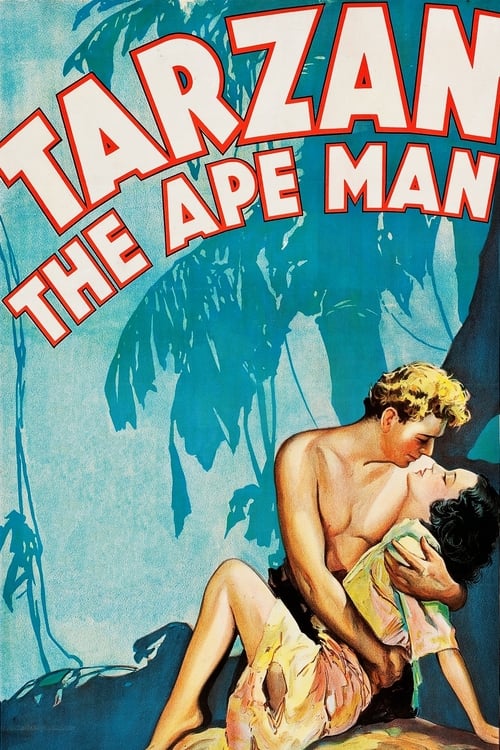
1932

1980

1949
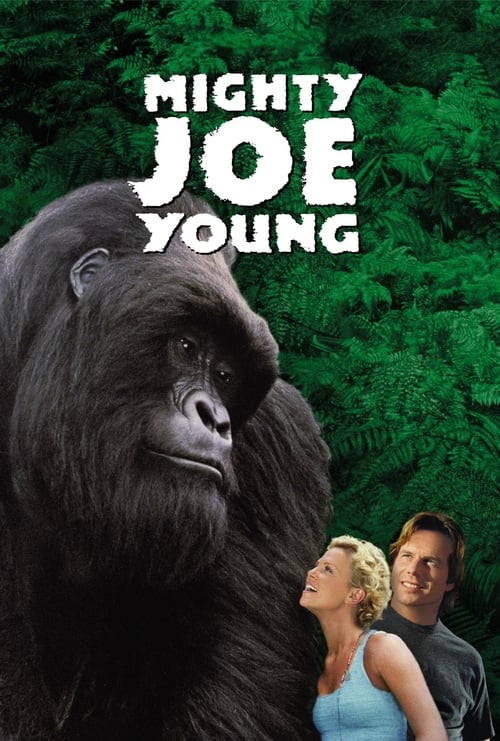
1998
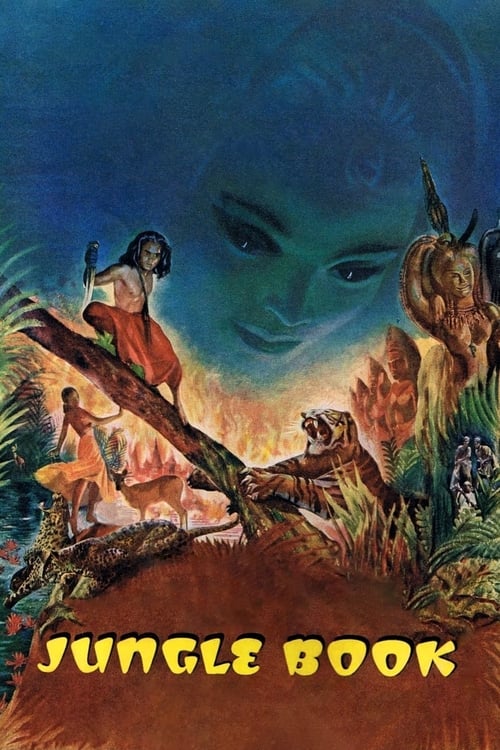
1942

1968
1939
No reviews yet. Be the first to share your thoughts on this movie!
Use the rating form above to leave a star rating and optional review.