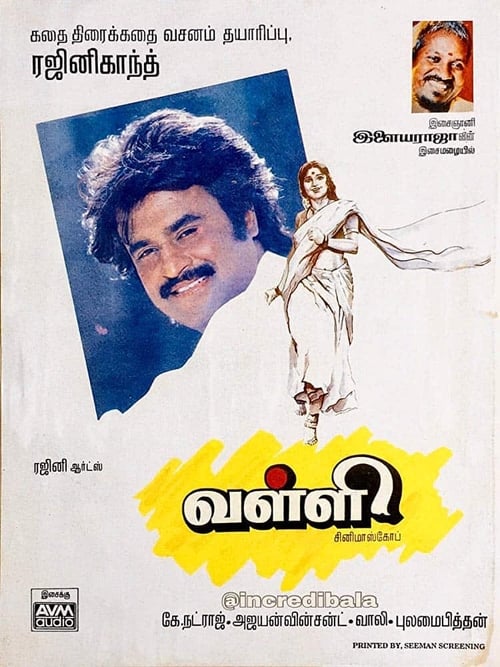
Valli
1993
No user ratings available yet
Diversity score: 4.5 out of 10
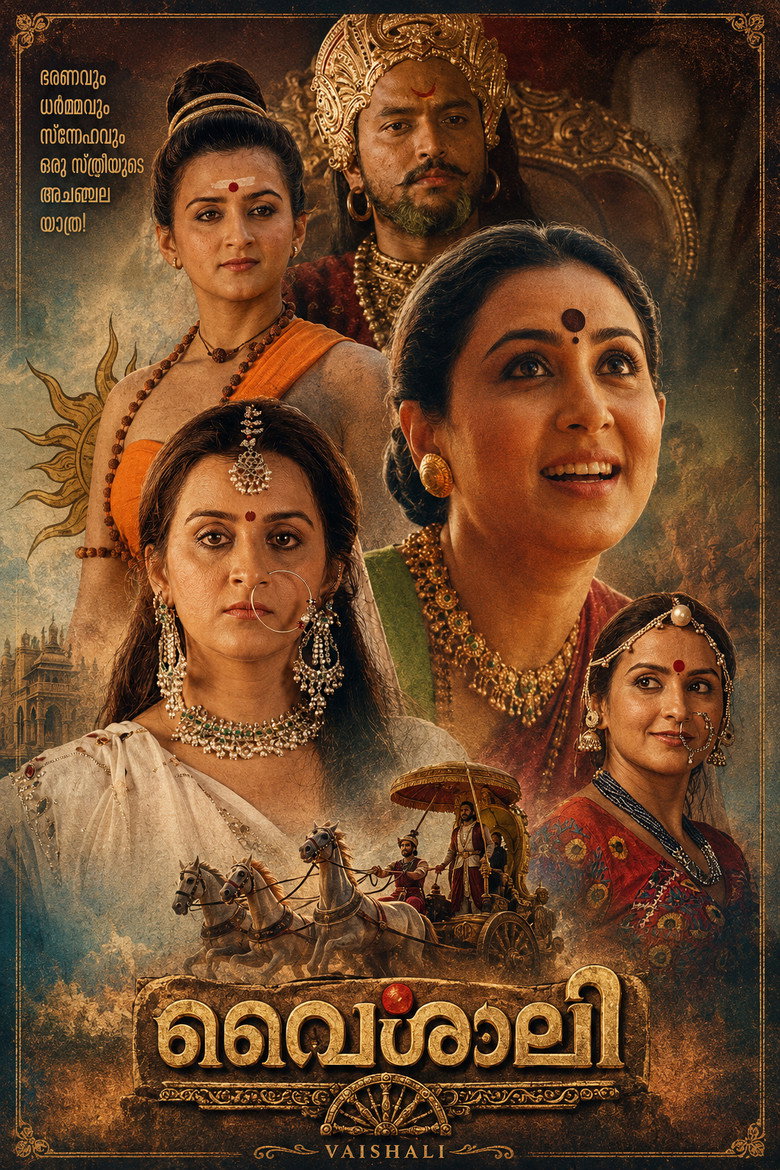
1988
Director
Bharathan
Runtime
133 minutes
Average Rating
No ratings yetSynopsis
A royal mistress, Vaishali, is sent to bring sage Rishyasringa to the kingdom of Anga. After Rishyasringa follows Vaishali, he performs the ceremonies to break the curse and make it rain in Anga.
Overall Score
Good
Category Breakdown
LGBTQ+ Representation
The film focuses on the interpersonal dynamics between Vaishali and the sage Rishyasringa. It does not depict non-cisnormative gender identities or same-sex intimacy.
Gender Representation
Vaishali serves as a catalyst for disrupting patriarchal order. She possesses significant agency and autonomy, challenging the trope of the passive female figure in historical drama.
Racial & Ethnic Diversity
The film features a predominantly South Indian cast, offering authentic regional representation. It provides a nuanced portrayal of community dynamics within a specific ethnic and historical context.
Religious & Cultural Diversity
The narrative critiques traditional institutions by positioning personal morality against oppressive communal laws. Rituals serve as a backdrop to explore systemic power dynamics rather than promoting religious ideals.
Disability Representation
There are no prominent depictions of visible or invisible disabilities that serve as central narrative drivers in this work.
Strengths
Areas for Improvement
AI Analysis
Vaishali stands out as a subversive historical drama that prioritizes female agency over the preservation of traditional social hierarchies. By centering the plot on a woman who refuses to adhere to restrictive village expectations, the film effectively deconstructs the passive female trope common in the genre. The film's strength lies in its sophisticated critique of systemic authority. It uses the tension between individual desire and communal law to explore how personal autonomy can challenge rigid, oppressive structures. While the film excels in gendered subversion and cultural critique, it lacks representation for LGBTQ+ identities and disability. The setting remains a culturally specific, homogeneous agrarian society, which limits broader racial diversity.
1993
1981

1988
1960
1999
2006
2015

1978
1994
1936

1970
2018
No reviews yet. Be the first to share your thoughts on this movie!
Use the rating form above to leave a star rating and optional review.