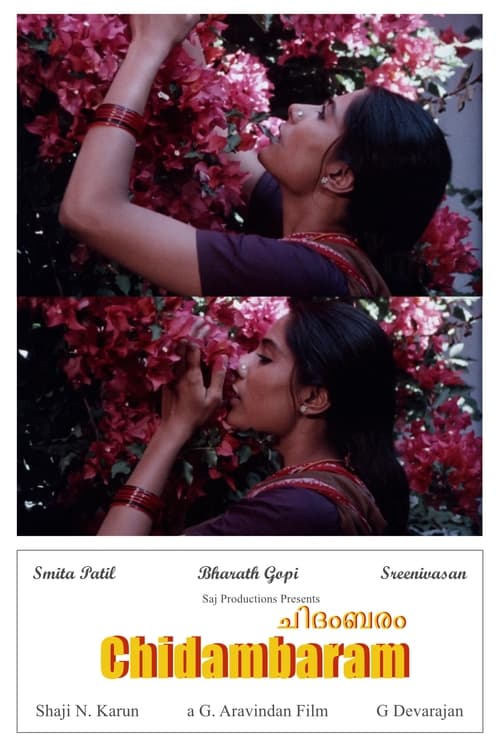
Chidambaram
1985
No user ratings available yet
Diversity score: 5.8 out of 10
1978
Director
Govindan Aravindan
Runtime
76 minutes
Average Rating
No ratings yetSynopsis
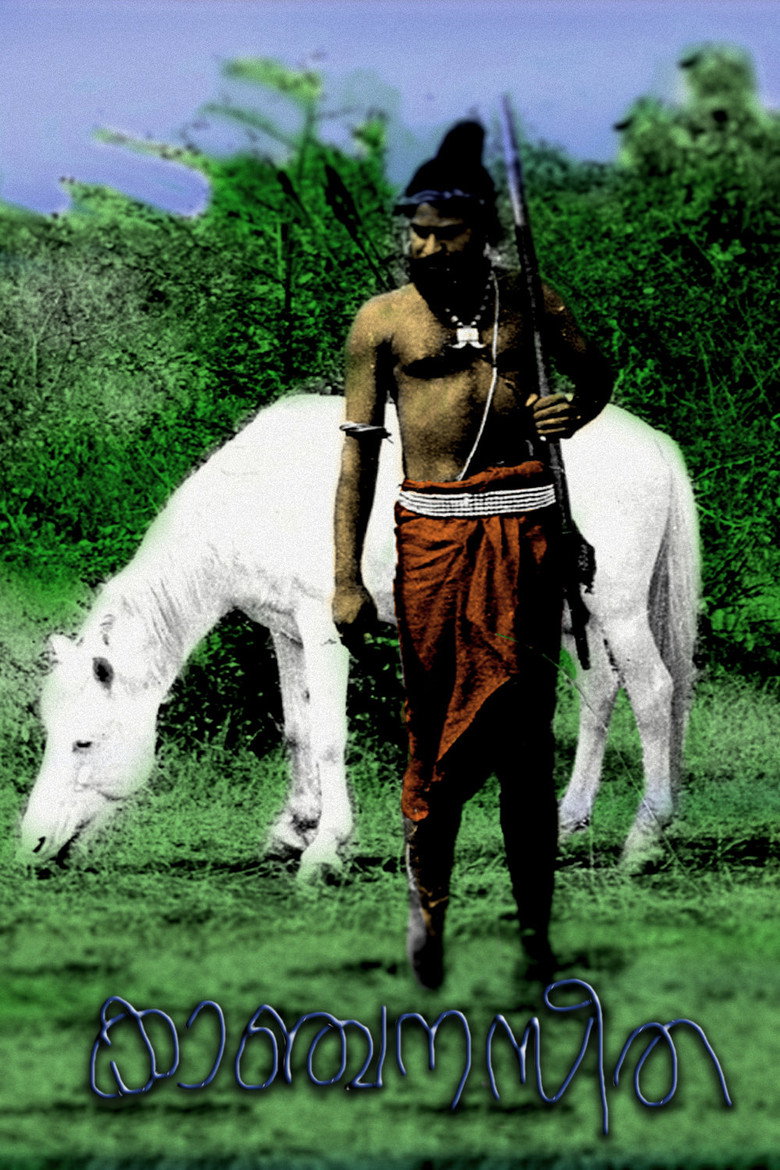
The film interprets a story from the Uttara Kanda of the epic poem Ramayana, where Rama sends his wife, Sita, to the jungle to satisfy his subjects. Sita is never actually seen in the film, but her virtual presence is compellingly evoked in the moods of the forest and the elements. The film retells the epic from a womens' liberationist perspective, and is about the tragedy of power and the sacrifices that adherence to dharma demands, including abandoning a chaste wife.
Overall Score
Good
Category Breakdown
LGBTQ+ Representation
The film lacks explicit LGBTQ+ characters or non-cisnormative identities. However, it critiques the heteronormative social contracts and rigid marriage requirements used as tools of state control.
Gender Representation
The film subverts traditional hierarchies by centering the female experience of displacement. It reframes the protagonist's abandonment as a violation of female agency rather than a righteous act of leadership.
Racial & Ethnic Diversity
Rooted in Indian parallel cinema, the film utilizes indigenous mythic structures. It provides a narrative that exists outside the hegemony of Western storytelling tropes.
Religious & Cultural Diversity
The film offers a sophisticated critique of traditional institutions and dharma. It portrays the sanctity of the state and religious duty as forces that demand destructive sacrifices.
Disability Representation
There are no specific depictions of physical or neurodivergent disabilities present in the film.
Strengths
Areas for Improvement
AI Analysis
Kanchana Sita is a profound cinematic deconstruction of the Ramayana. By focusing on the Uttara Kanda through a women's liberationist lens, it transforms a traditional epic into a critique of systemic injustice. The film's power lies in its formal choice to keep Sita physically absent, using the forest and elements to evoke her presence. This technique disrupts the patriarchal gaze and shifts the focus from heroic conquest to the tragedy of state-driven oppression. Ultimately, the work moves beyond simple representation to interrogate how religious and social structures impact the individual, challenging the very idea of the 'virtuous' leader.
1985

1994
2025
2021

1998
2003
2002
2009
1989
2013

1964
2019
No reviews yet. Be the first to share your thoughts on this movie!
Use the rating form above to leave a star rating and optional review.