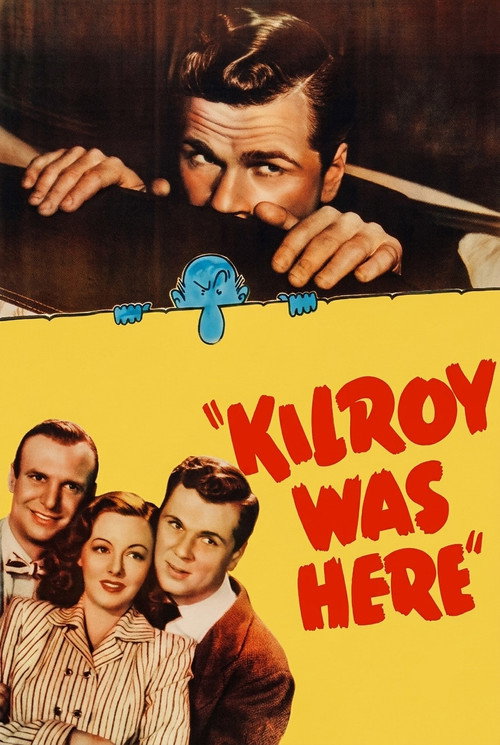
Kilroy Was Here
1947
No user ratings available yet
Diversity score: 2.2 out of 10
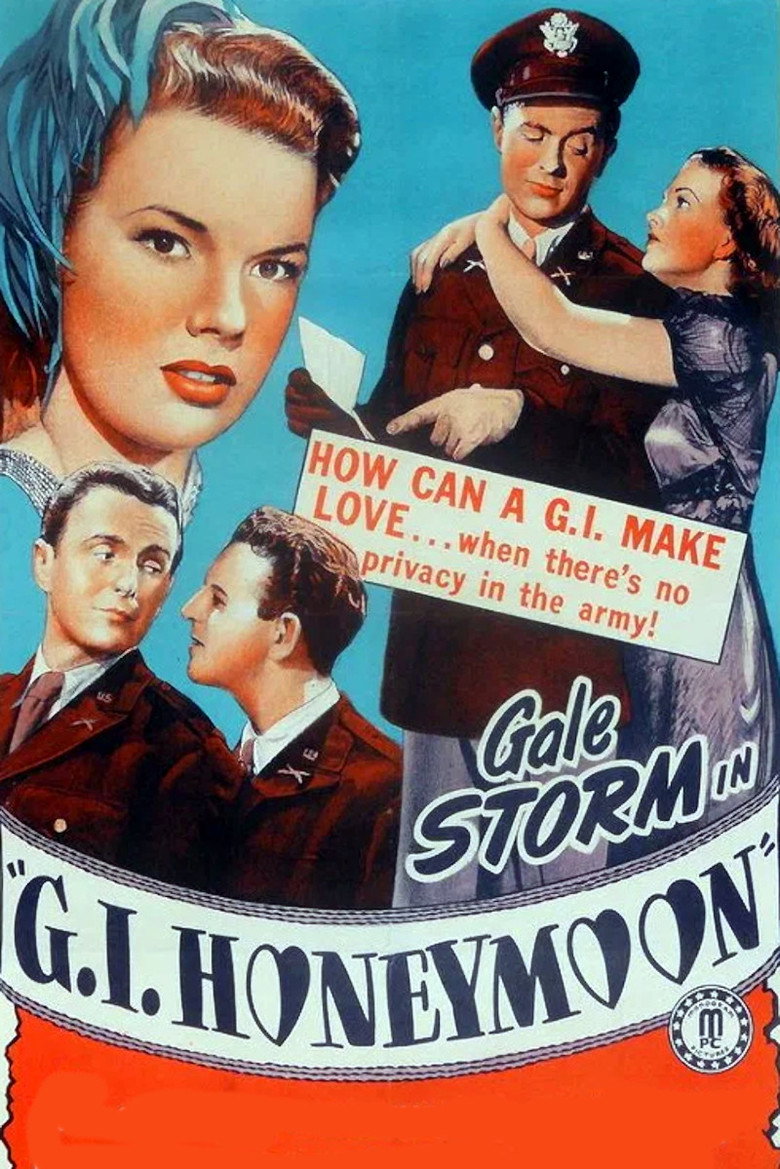
1945
ApprovedDirector
Phil Karlson
Runtime
70 minutes
Average Rating
No ratings yetSynopsis
In this romantic comedy, set during WW II, an newlywed army couple are unable to consummate their marriage, as on their wedding night the husband is called away to sentry duty. Later they try again, but as he has just completed a 37-mile hike, he finds himself too tired to work up any enthusiasm for conjugal bliss. Fortunately, the bride's understanding aunt intervenes with the young man's colonel and the frustrated couple is at last able to share a night of love.
Overall Score
Limited
Category Breakdown
LGBTQ+ Representation
The film follows a traditional heteronormative romantic structure. It lacks any representation of non-cisnormative identities or critiques of heteronormativity.
Gender Representation
Gender roles reflect 1940s conventions, focusing on the husband's physical exhaustion and the wife's frustration. While an aunt provides agency, the resolution relies on a male authority figure.
Racial & Ethnic Diversity
The story centers on a standard American military couple. There is no evidence of a multi-ethnic cast or non-Anglo-Saxon characters.
Religious & Cultural Diversity
The narrative emphasizes mid-century Western values, specifically the sanctity of marriage and military duty. It prioritizes institutional stability and traditional family structures.
Disability Representation
The film contains no characters navigating physical, sensory, or neurodivergent experiences.
Strengths
Areas for Improvement
AI Analysis
G.I. Honeymoon is a period-specific romantic comedy that adheres strictly to the social and institutional norms of the mid-1940s. The narrative architecture reinforces traditional domestic and military hierarchies rather than challenging them. The film lacks intersectional character development. It focuses on a homogeneous depiction of wartime life, prioritizing the restoration of a traditional marriage and respect for the military chain of command. Ultimately, the work functions as a genre piece that reflects the era's emphasis on stability and conventional gender roles.
1947
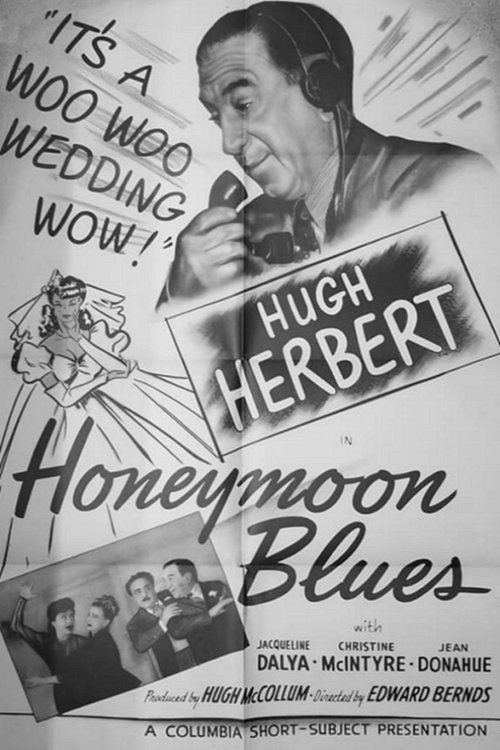
1946
1947
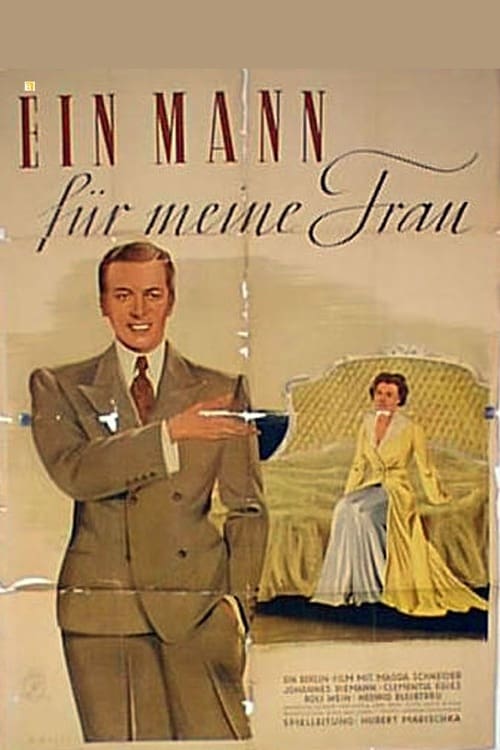
1943
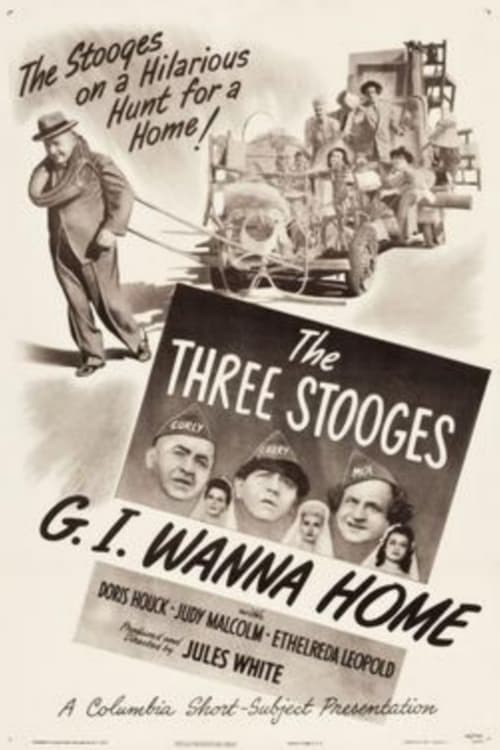
1946
1936
1945
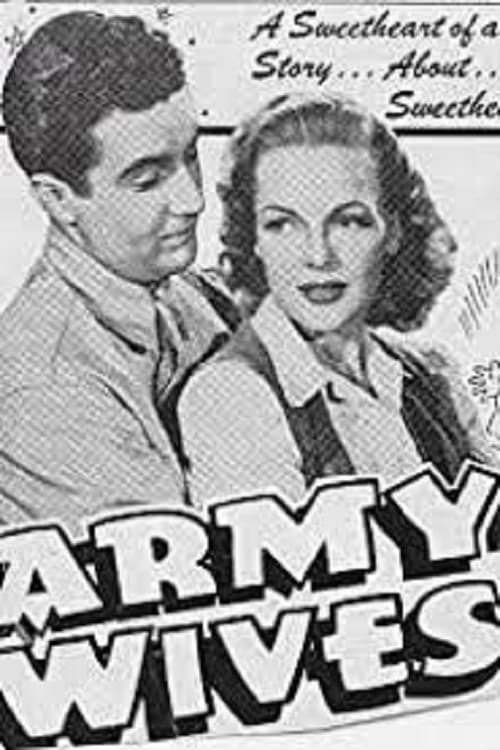
1945
1956
1943
1959

1956
No reviews yet. Be the first to share your thoughts on this movie!
Use the rating form above to leave a star rating and optional review.