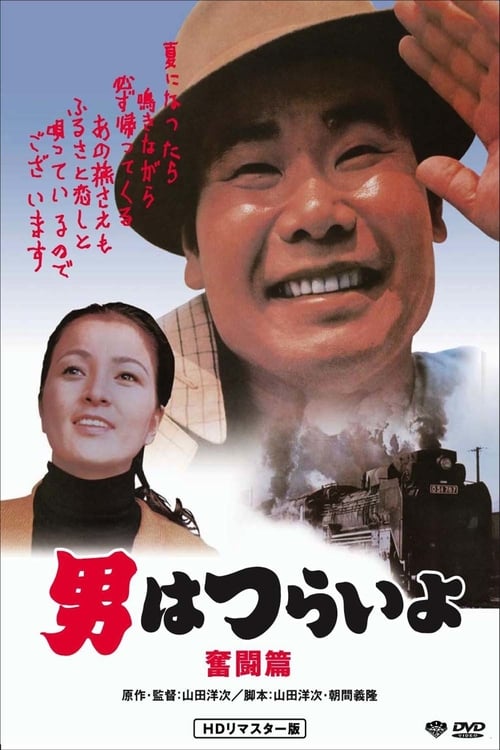
Tora-san, the Good Samaritan
1971
No user ratings available yet
Representation score: 0.9 out of 10
Representation Score
Fair
1979
Director
Yoichi Maeda
Runtime
91 minutes
Average Rating
No ratings yetNew Showbiz Analysis
Heaven Sent functions as a character-driven comedy that challenges the stability of traditional domestic institutions. It succeeds by subverting gendered expectations, specifically through the female protagonist's significant role in driving the story and the male partner's resistance to traditional roles. However, the film lacks explicit markers of diverse identities. The narrative remains largely within a culturally homogeneous Japanese framework, offering little in the way of racial or LGBTQ-specific representation. Ultimately, the film's strength lies in its deconstruction of biological paternalism and the nuclear family, providing a moderate departure from conservative social archetypes of the late 1970s.
Category Breakdown
The film explores non-traditional domestic arrangements through a live-in partnership that avoids formal marriage. Although it doesn't explicitly identify characters as LGBTQ, the focus on unconventional reproductive roles suggests a departure from traditional heterosexual norms.
Sayoko drives the plot who play a significant role in driving the story, pursuing motherhood despite her partner's resistance. Shinsaku subverts traditional masculinity by acting as a hesitant figure rather than a patriarchal provider.
As a 1979 Japanese production, the film operates within a culturally homogeneous framework. It reflects the social constraints of its era without intentional racial blending or diverse casting.
The story disrupts the concept of the nuclear family by questioning biological lineage. The search for the child's father introduces a skepticism toward traditional definitions of family legitimacy.
There is no evidence of characters with visible or invisible disabilities within the narrative.
Present on Screen
Limited or Absent
Official Synopsis
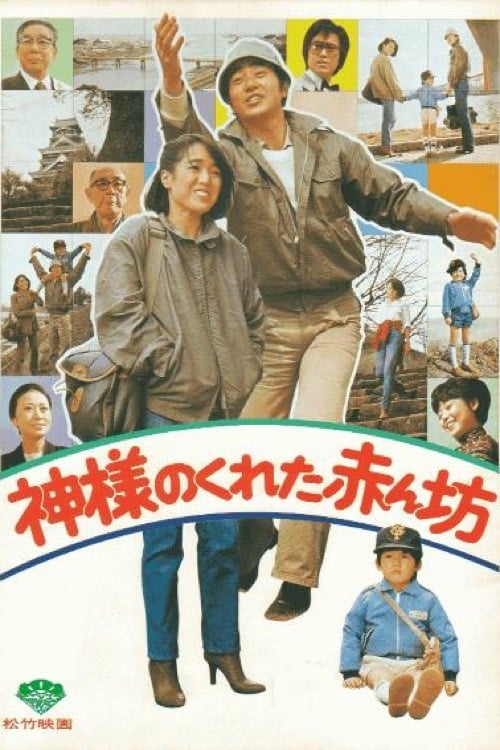
Sayoko is desperate to bear a child of her own, but her live-in boyfriend Shinsaku strenuously objects to the idea. One day, someone leaves behind a six-year-old child at their door, claiming that Shinsaku—or four other men—is the child's father! Sayoko and Shinsaku set out on a journey to find the real father.
1971
1985
1974

1983

1975
1969
1969
1986
No reviews yet. Be the first to share your thoughts on this movie!
Use the rating form above to leave a star rating and optional review.