
An Angel Came Down from Heaven
1942
No user ratings available yet
Representation score: 0.8 out of 10
Representation Score
Minimal
1969
MDirector
Norman Panama
Runtime
95 minutes
Average Rating
No ratings yetNew Showbiz Analysis
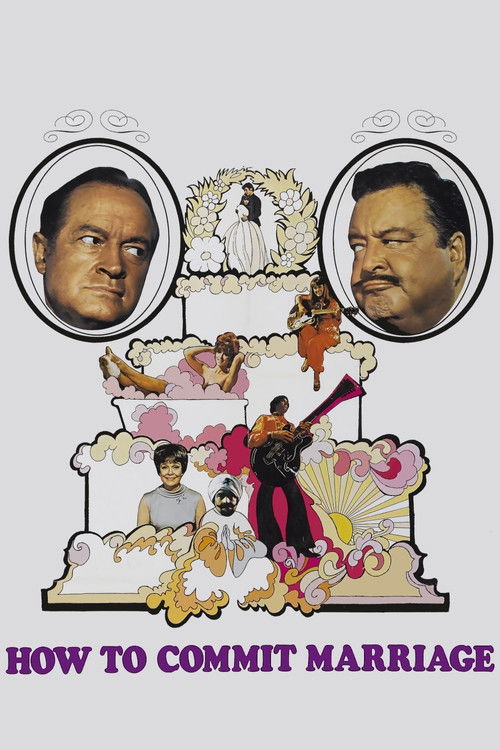
How to Commit Marriage serves as a historical snapshot of mid-century social expectations. The film upholds existing norms regarding marriage and family without challenging them through diverse perspectives. The narrative relies on established comedic structures of the late 1960s. It focuses on resolving domestic complications within a very narrow, traditional demographic, offering little room for multi-layered or progressive storytelling. Ultimately, the film lacks the casting variety and character depth needed to represent a broader social spectrum, remaining firmly rooted in the era's standard romantic comedy clichés.
Category Breakdown
The film sticks to a structure that assumes everyone is straight and cisgender. It focuses solely on the romantic and reproductive experiences of a heterosexual couple, without any characters who identify as LGBTQ+.
The story follows 1960s gender roles. While the female lead deals with an unplanned pregnancy, the plot emphasizes traditional masculine roles and the stability of the nuclear family.
The cast is shown as a homogeneous, white, middle-class urban population. There is no depth or diversity in the characterizations that reflect different racial or ethnic backgrounds.
The narrative prioritizes traditional social and moral frameworks. It addresses unplanned pregnancy as a problem to be solved through conventional marriage and adoption, without questioning social institutions.
There are no visible or invisible disabilities portrayed. Characters with disabilities are not present in the central narrative or used as plot devices.
Present on Screen
Limited or Absent
Official Synopsis
A young couple decide to live together and they wind up having a baby. They decide they should give the baby up for adoption. The baby's Mother's parents wind up adopting the baby using a fake name.
1942
1985

1978

1998
1989

2010
1969

1975
No reviews yet. Be the first to share your thoughts on this movie!
Use the rating form above to leave a star rating and optional review.