
Santo vs. Black Magic Woman
1973
No user ratings available yet
Representation score: 2.9 out of 10

Representation Score
Minimal
1980
Director
Ángel Rodríguez Vázquez
Runtime
82 minutes
Average Rating
No ratings yetNew Showbiz Analysis
The Whip vs. the Killer Mummies is a classic exploitation film that focuses on straightforward adventure stories. It follows the conventions of its time, emphasizing traditional hierarchies over challenging them. The narrative leans heavily on established genre clichés, such as the strong male hero and the traditional female roles. This approach maintains a simple moral binary without delving into complex social or cultural identities. Overall, the film serves as a genre piece where the setting and mythology support the horror elements rather than offering deeper cultural or diverse representation.
Category Breakdown
The film does not include any characters with non-traditional gender identities or same-sex relationships. It also does not question the assumption that everyone is straight or cisgender.
Women in the film mainly play supporting roles or fit the damsel-in-distress archetype. The main character is a strong male leader who emphasizes physical strength.
Even though the story is set in Egypt, the main cast is mostly white. The setting is used for horror purposes rather than exploring the culture and ethnicity of Egypt.
The story uses Egyptian mythology as a horror element within a typical hero-versus-monster plot. It upholds traditional Western adventure themes and a simple good-versus-evil moral structure.
The film does not significantly address visible or invisible disabilities. Characters are defined by their physical abilities in an action-oriented context.
Present on Screen
Limited or Absent
Official Synopsis
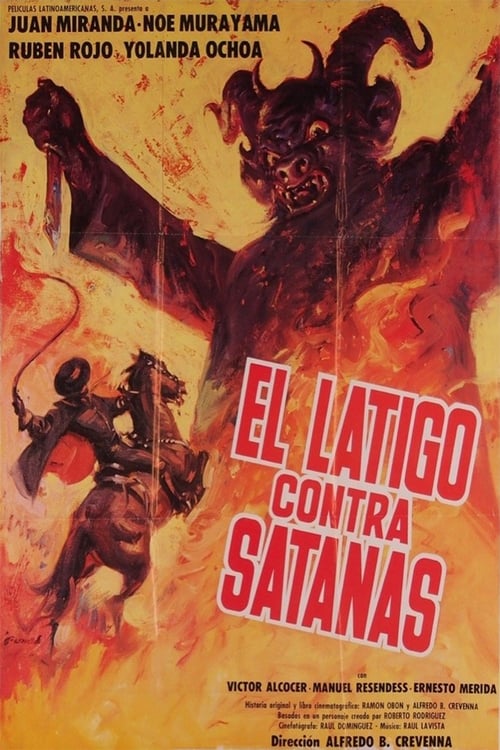
Third and final film in the Zorro-like series, following El Latigo / "The Whip" (1978) and El látigo contra Satanás / "The Whip vs. Satan" (1979).
1973
1974
1977
1979
1990
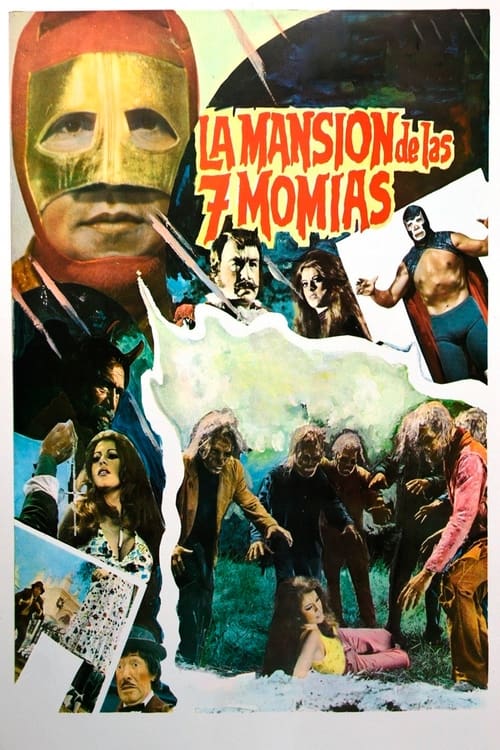
1977

1964
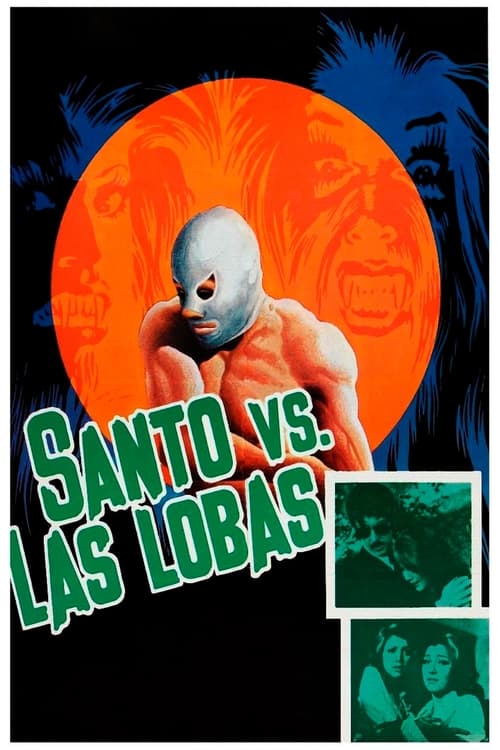
1976
No reviews yet. Be the first to share your thoughts on this movie!
Use the rating form above to leave a star rating and optional review.