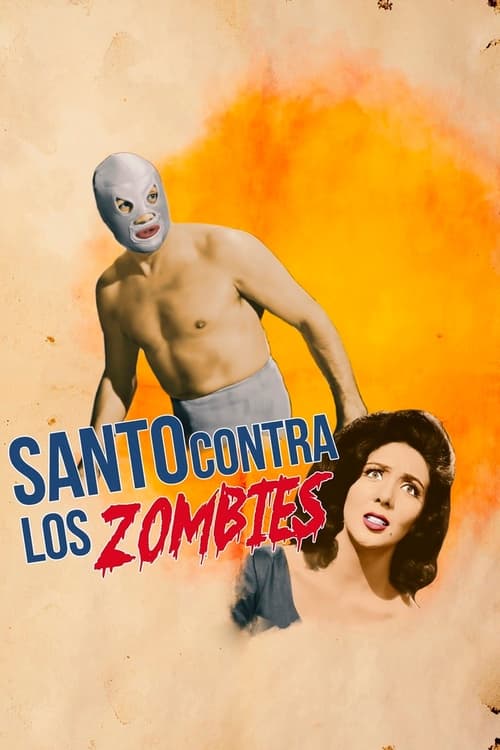
Santo vs. the Zombies
1962
No user ratings available yet
Representation score: 1.5 out of 10
Representation Score
Limited
1979
Director
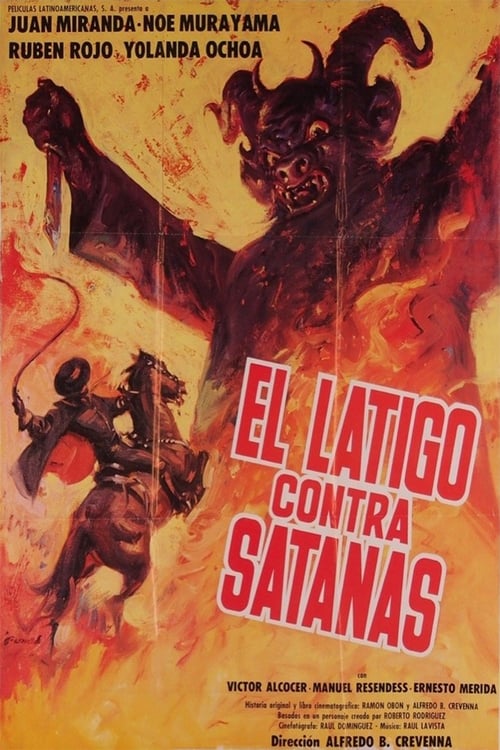
Alfredo B. Crevenna
Runtime
80 minutes
Average Rating
No ratings yetNew Showbiz Analysis
The film follows traditional genre conventions, emphasizing mythological conflicts and established hero archetypes. It does not explore diverse social identities or challenge traditional hierarchies. Instead, it focuses on a singular mythic hero and a straightforward moral framework. The production provides a non-Western perspective through its Mexican roots and traditional folklore. However, it maintains a focus on a single, mythic hero and does not delve into diverse social identities or challenge traditional gender roles. The narrative structure reinforces these traditional elements rather than disrupting them.
Category Breakdown
The film does not include any characters with non-binary gender identities or same-sex relationships. It follows the traditional focus on straight relationships and male heroes.
The story centers around a physically strong and authoritative male hero. There are no female characters who challenge traditional gender roles or demonstrate superior intellect.
As a Mexican production, the film offers a non-Western perspective. However, it focuses on a singular mythic hero rather than a diverse cast of characters.
The narrative emphasizes a traditional struggle between good and evil. It adheres to conventional morality without challenging religious institutions or promoting secular values.
There is no documented evidence regarding the inclusion of characters with visible or invisible disabilities within the film.
Present on Screen
Limited or Absent
Official Synopsis
Zorro-type horseman with occult powers faces off against all metaphysical evils.
1962
1968
1973
1995
1966

1974
1983
1957
No reviews yet. Be the first to share your thoughts on this movie!
Use the rating form above to leave a star rating and optional review.