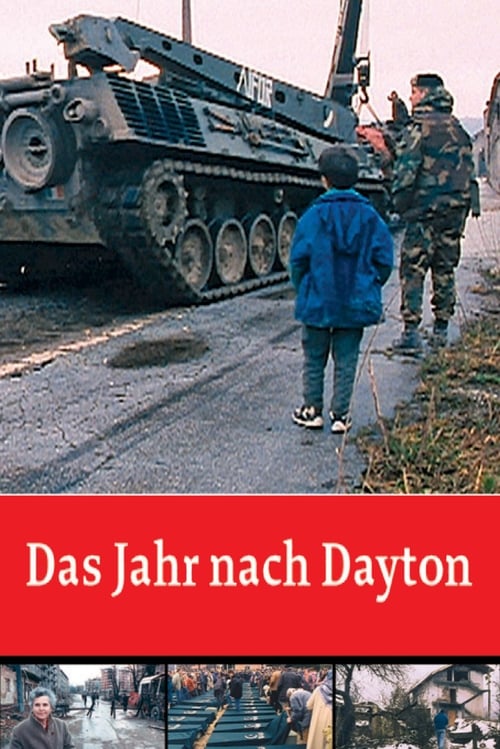
The Year After Dayton
1997
No user ratings available yet
Representation score: 8.7 out of 10

Representation Score
Excellent
2006
Director
Joaquim Sapinho
Runtime
82 minutes
Average Rating
No ratings yetNew Showbiz Analysis
Bosnia Diaries is a deeply localized documentary that excels in its examination of ethnic and cultural identity. By centering the lived realities of Serb and Muslim Bosnians, it avoids a monolithic Western perspective on conflict. The film's strength lies in its ability to deconstruct geopolitical stability through the lens of human fragility. However, the film's focus on sectarian and ethnic fractures leaves little room for other underrepresented identities. There is a lack of visible representation regarding LGBTQ+ communities and a neutral approach to gendered ability to act. While the trauma of war implies disability, the narrative's treatment of these subjects remains ambiguous. Ultimately, the work is a vital piece of historical documentation that prioritizes the complexities of multi-ethnic coexistence over superficial reportage.
Category Breakdown
The film focuses on the geopolitical and sectarian divisions of the Bosnian War. There is no explicit evidence of LGBTQ+ narratives or non-cisgender identities within the documentary's structure.
The narrative explores the struggles of victims, which may include women navigating post-war loss. However, it remains unclear if female subjects play a significant role or are secondary to male-centric political themes.
The documentary provides a profound study of ethnic identity and the consequences of ethnic cleansing. It centers on the complex, non-Anglo-Saxon identities of Serb and Muslim Bosnians living in a fractured landscape.
By focusing on localized, subjective morality, the film disrupts Western-centric historical narratives. It examines how traditional institutions like religion and family have been fractured by systemic violence and instability.
The film likely depicts the physical and psychological trauma inherent to post-conflict zones. It remains uncertain if these scars are treated as individual ability to act or merely as symbols of war's cost.
Present on Screen
Limited or Absent
Official Synopsis
I went to Bosnia after war ended, in 1996, when the Danton Peace Accord was being implemented. Bosnia had been divided in two entities, which separated the two main opposing forces of the conflict; the Serb Bosnians and the Muslim Bosnians. Two years later, in 1998, I returned to Bosnia... This movie is a diary of the two voyages, in which I deal with the memories of the war, the death and destruction and with the victim’s struggle who don’t know how to return home.
1997
2011

1996

2008
1994
2023
1995
2007
No reviews yet. Be the first to share your thoughts on this movie!
Use the rating form above to leave a star rating and optional review.