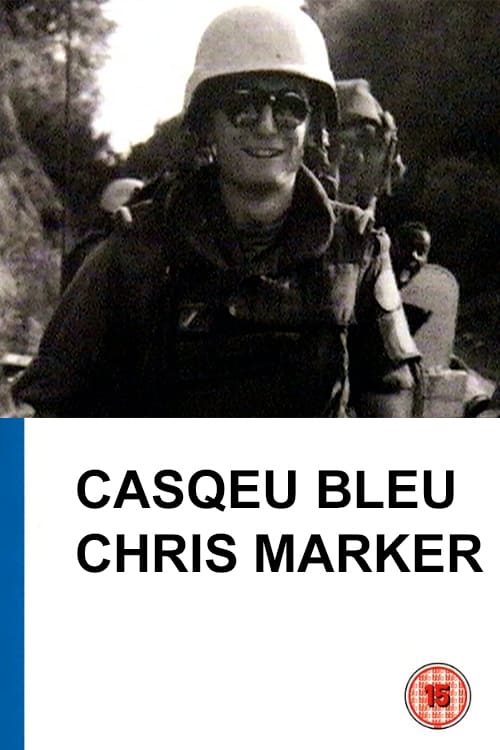
Blue Helmet
1995
No user ratings available yet
Representation score: 6.0 out of 10
No Poster Available
Representation Score
Excellent
1994
Director
Alain Ferrari, Bernard-Henri Lévy
Runtime
117 minutes
Average Rating
No ratings yetNew Showbiz Analysis
Bosnia! serves as a powerful examination of Western institutional complicity during the Sarajevo conflict. Its primary strength lies in centering an ethnic group fighting against systemic erasure and challenging the silence of global powers. The film succeeds in deconstructing Western dominance by exposing political censorship and the failures of international governance. It moves beyond simple victimhood to highlight the determination of a population under siege. However, the documentary lacks specific focus on LGBTQ+ identities and disability ability to act. While the overarching narrative challenges global power dynamics, these specific perspectives are not explicitly addressed.
Category Breakdown
The documentary centers on geopolitical conflicts and systematic genocide. It does not provide explicit evidence of LGBTQ+ identities or narratives that challenge traditional heterosexual norms.
The film highlights human experiences under extreme conditions. While specific gender-based stories are not confirmed, the focus on Bosnian resistance suggests a potential for nuanced roles rather than passive victimhood.
The narrative prioritizes the voices of a non-Western population by focusing on the Bosnian experience. It critiques Western dominance and the selective application of humanitarian intervention by global powers.
The film explores themes of systemic oppression and critiques Western institutions. It exposes how the U.S. State Department censored reports, framing Western structures as complicit in humanitarian crises.
Portrayals of physical and psychological trauma are likely present given the subject matter. However, it remains unclear if these are treated with individual ability to act or merely as evidence of carnage.
Present on Screen
Limited or Absent
Official Synopsis
The carnage in Sarajevo provides the focus of this French documentary which seeks to call attention to the terrible conflict in the hopes of finally ending it. The film is divided into five parts. Each part covers a time frame ranging from April 4, 1992, the beginning of the war, to the present. The major issues that occur are three-fold. It depicts the systematic genocide of Bosnians, the silence of Western countries, and the determination of the Bosnians to resist. They refuse to be seen as victims, even though the filmmakers portray them so. Also included are the origins and political aspects of the war. It offers interviews with participants. It also reveals how the U.S. State Department censored reports about Serbian death camps.
1995
1985
2006
2011
1999
1998
1994
2015
No reviews yet. Be the first to share your thoughts on this movie!
Use the rating form above to leave a star rating and optional review.