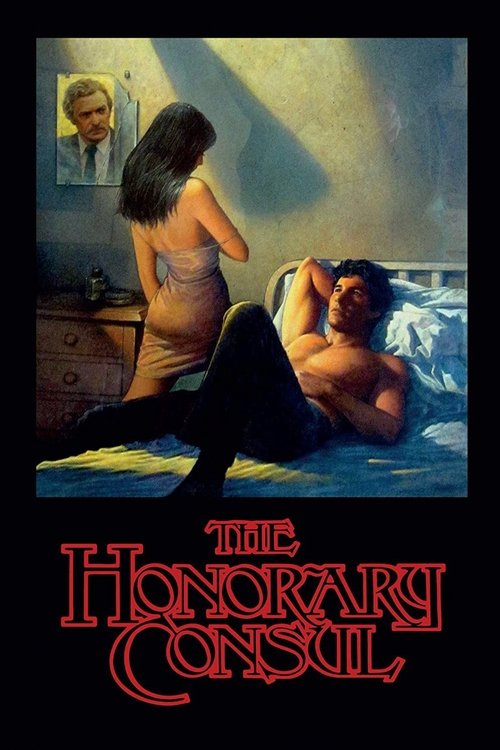
The Honorary Consul
1983
No user ratings available yet
Diversity score: 3.8 out of 10
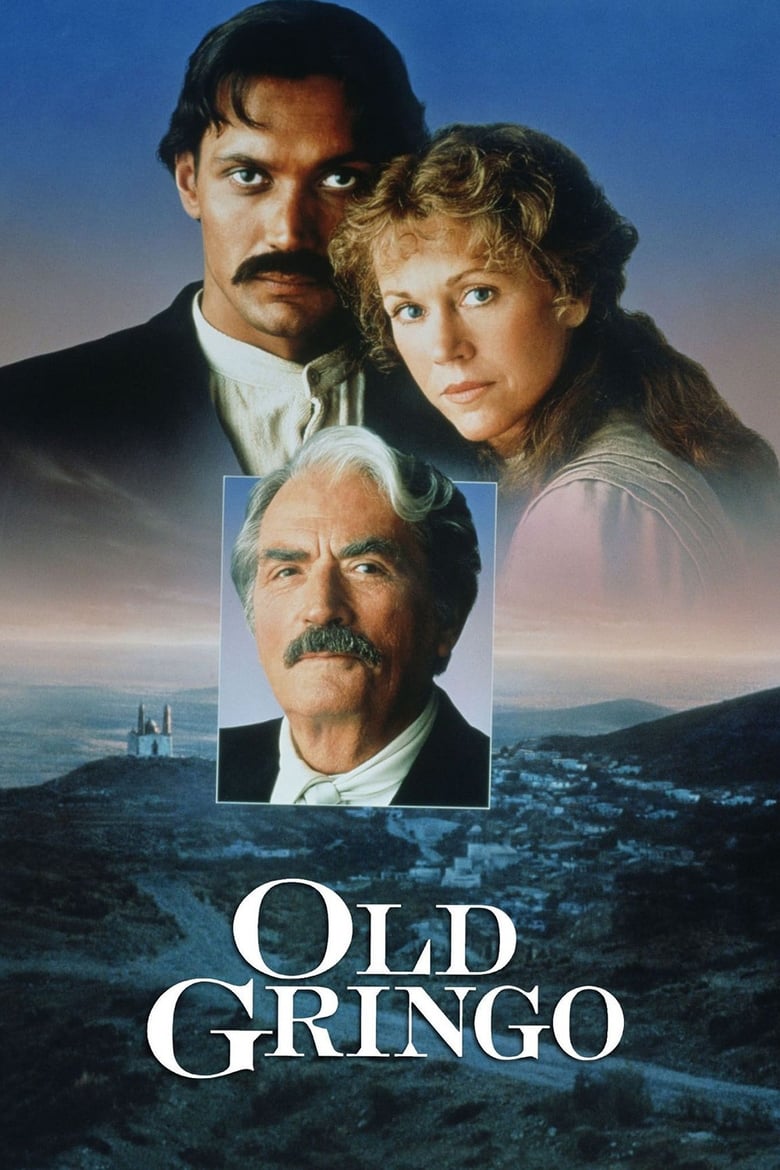
1989
RDirector
Luis Puenzo
Runtime
120 minutes
Average Rating
No ratings yetSynopsis
When school teacher Harriet Winslow goes to Mexico to teach, she is kidnapped by Gen. Tomas Arroyo and his revolutionaries. An aging American, Ambrose "Old Gringo" Bierce also in Mexico, befriends Gen. Arroyo and meets Harriet. Bierce is a famous writer, who knowing that he is dying, wishes to keep his identity secret so he can determine his own fate. Though he likes Arroyo, Bierce tries to provoke the General's anger whenever possible in an attempt to get himself killed, thus avoiding suffering through his illness. Winslow is intrigued by both Bierce and Arroyo, and the men are in turn attracted to her. She becomes romantically involved with Arroyo. When Winslow learns of Bierce's true identity (a writer whose work she has loved and respected for years), she is singlemindedly determined to fulfill his dying wish. Written by E.W. DesMarais
Overall Score
Fair
Category Breakdown
LGBTQ+ Representation
The film follows a traditional romantic triangle involving a writer, a schoolmarm, and a Mexican general. There is no explicit evidence of queer narratives or non-cisnormative identities.
Gender Representation
A female schoolmarm sits at the center of a power dynamic between two men. This positioning suggests she acts as a plot catalyst rather than a peripheral figure.
Racial & Ethnic Diversity
The story explores the friction between a Western outsider and a Mexican general. This setup allows for a critique of post-colonial power dynamics and cultural blending.
Religious & Cultural Diversity
By focusing on a Mexican general on the run, the film explores political struggle and systemic instability. It moves away from purely Westernized heroic archetypes.
Disability Representation
There is no evidence regarding the portrayal of physical or neurodivergent disabilities in this narrative.
Strengths
Areas for Improvement
AI Analysis
Old Gringo functions as a mid-range representative work that uses historical friction to challenge conventional storytelling. It avoids monolithic tropes by focusing on the intersection of Western and Mexican identities. The film's strength lies in its ability to navigate complex social dynamics and post-colonial themes. The central romantic triangle provides a disruption to standard monogamous pairings, even within a heteronormative framework. However, the film lacks representation for LGBTQ+ identities and disability. While it subverts some gender hierarchies, the depth of female agency remains unverified.
No reviews yet. Be the first to share your thoughts on this movie!
Use the rating form above to leave a star rating and optional review.