
I Surrender Dear
1931
No user ratings available yet
Representation score: 0.4 out of 10
No Poster Available
Representation Score
Minimal
1932
Director
Del Lord
Runtime
18 minutes
Average Rating
No ratings yetNew Showbiz Analysis
Dream House is a typical example of early 20th-century commercial entertainment. It emphasizes mainstream, homogeneous storytelling rather than challenging social hierarchies. The film does not intentionally address issues of identity or power dynamics. Instead, it aligns with the traditional demographic norms and comedic clichés of the 1930s studio system. Overall, the work reflects the social structures of its time, prioritizing light-hearted, non-confrontational humor over diverse or subversive narratives.
Category Breakdown
The film does not include any queer narratives or characters with non-binary gender identities. It follows the straight-centered norms typical of early 1930s cinema.
The character interactions likely follow traditional gender roles from the 1930s. The comedy seems to rely on established domestic scenarios rather than empowering female characters or challenging male dominance.
The cast reflects the homogeneous Anglo-Saxon focus of the era. There is no indication of diverse ethnic or characters who reflect more than one aspect of diversity.
The film upholds Western social norms and conventional morality. It fits the early studio system's focus on social stability.
There are no characters with visible or invisible disabilities. Slapstick comedies of this period often lacked positive portrayals of disabled individuals.
Present on Screen
Limited or Absent
Official Synopsis
A 2 reel short directed by Mack Sennett and starring Bing Crosby.
1931

1929
1930

1933

1937

1929

1937
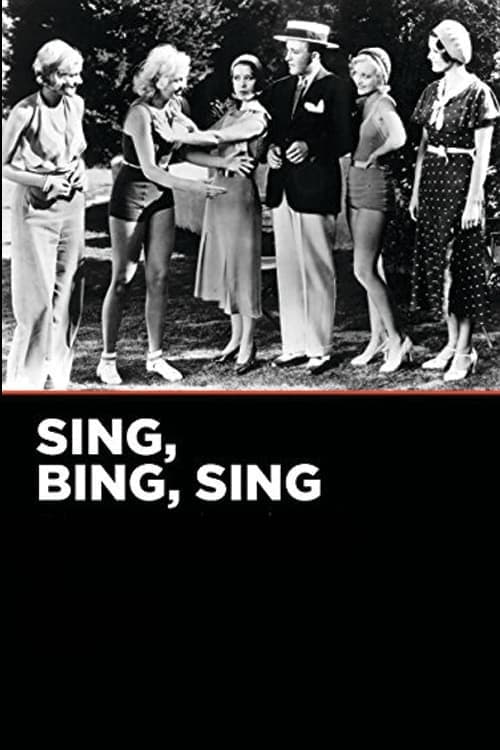
1933
No reviews yet. Be the first to share your thoughts on this movie!
Use the rating form above to leave a star rating and optional review.