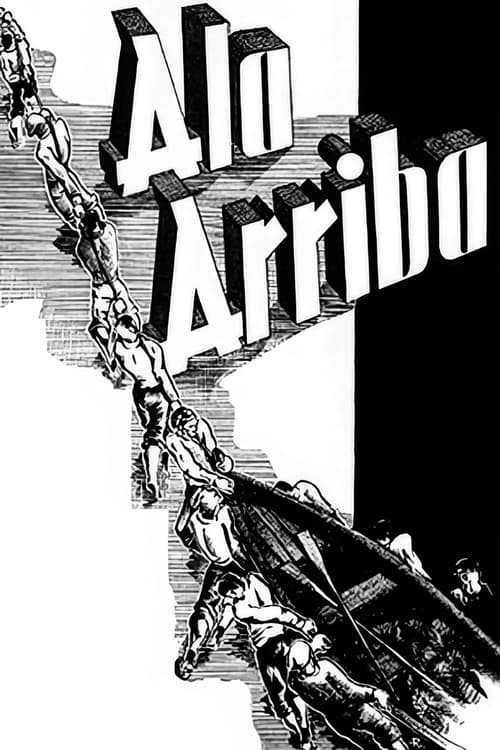
Ala-Arriba!
1942
No user ratings available yet
Representation score: 2.9 out of 10
Representation Score
Minimal
1930
Director
José Leitão de Barros
Runtime
108 minutes
Average Rating
No ratings yetNew Showbiz Analysis
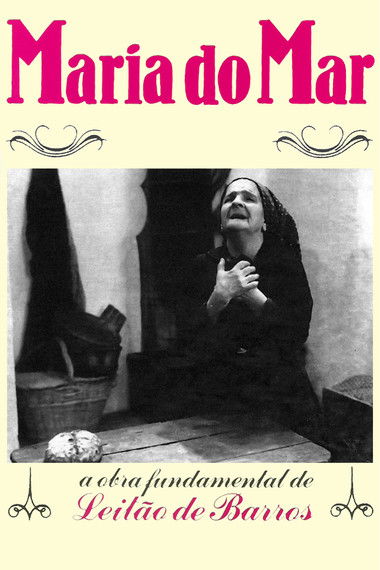
Maria of the Sea is a significant work of poetic realism that prioritizes ethnographic authenticity over the subversion of social norms. The film captures the essence of a Portuguese fishing village through its focus on maritime traditions and communal life. However, the narrative structure reinforces traditional hierarchies regarding gendered labor and maintains a homogeneous cultural perspective reflective of the era's conservative social frameworks. Ultimately, the film preserves cultural heritage but does not engage in the deconstruction of systemic social orders or diverse identities.
Category Breakdown
The film follows the romantic conventions of the early 1930s, focusing on a traditional love story between Maria and Manuel without addressing any non-binary gender identities.
Men are placed in physically demanding roles, while women are situated in the domestic and emotional spheres. Female characters have emotional influence but do not challenge the patriarchal structures.
The film features a cast that reflects a homogeneous ethnic background typical of a Portuguese production. Using local actors enhances the cultural authenticity but lacks diverse ethnic perspectives.
The story is rooted in the traditional life of a Portuguese coastal community, celebrating communal rhythms and folk culture without questioning the social frameworks.
The film does not depict any physical or neurodevelopmental disabilities. Instead, it focuses on the physical demands of maritime work and the emotional impact of loss.
Present on Screen
Limited or Absent
Official Synopsis
Falacha is the captain of a fishing boat, who loses his men in a shipwreck. Among them was the husband of Aurélia, who holds Falacha responsible for the tragedy. Maria, Falacha's daughter, falls in love with Manuel, Aurélia's son, a situation that their mothers refuse to accept.
1942

1931

1932

1920

1933
1955

1951

1931
No reviews yet. Be the first to share your thoughts on this movie!
Use the rating form above to leave a star rating and optional review.