White Savage
1943
No user ratings available yet
Representation score: 1.5 out of 10
Representation Score
Minimal
1932
PassedDirector
Howard Hawks
Runtime
77 minutes
Average Rating
No ratings yetNew Showbiz Analysis
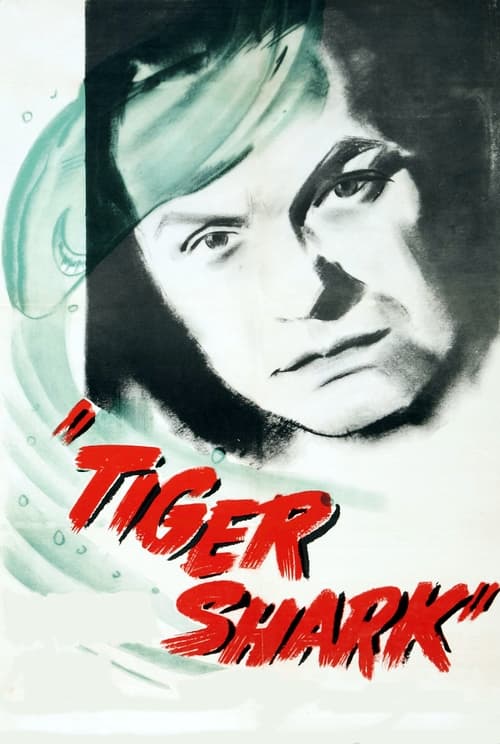
Tiger Shark is a classic example of 1930s adventure cinema, emphasizing Western viewpoints and traditional social structures. The story structure supports colonial and straight-centered themes typical of early Hollywood, without challenging them. The film depends on period-specific clichés, especially concerning racial and gender roles. Indigenous populations are depicted through a simplistic lens, serving as background elements to the main Western drama rather than as complex individuals. Overall, the film lacks depth in representing diverse identities. It functions as a standard genre piece reflecting the cinematic norms of its time without attempting to disrupt them.
Category Breakdown
The film does not include any LGBTQ+ characters or explore non-straight identities. Romantic relationships are exclusively between heterosexual couples.
Female characters mainly serve as romantic interests or catalysts for the male protagonists. The story upholds traditional gender roles typical of Pre-Code adventure films.
The film uses a colonialist framework, distinguishing Western protagonists from indigenous island populations. Non-white characters have little influence and primarily provide cultural context.
The narrative emphasizes Western ideals of adventure and exploration, operating within the social and moral norms of early 20th-century cinema.
There are no visible or hidden disabilities among the characters. The focus is solely on physical strength and survival skills.
Present on Screen
Limited or Absent
Official Synopsis
A Portuguese tuna fisherman catches his bride with his first mate.
1943
1932

1932

1927
1924
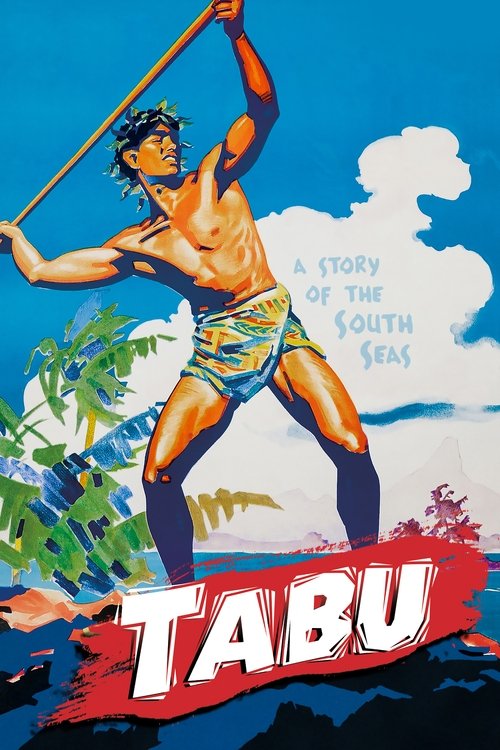
1931
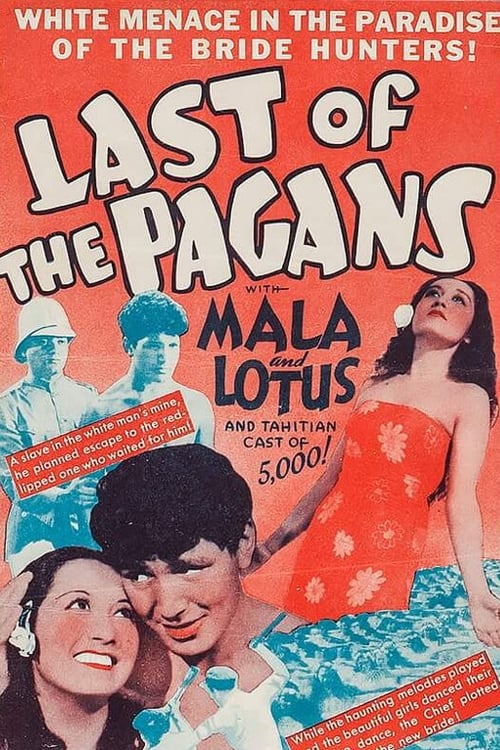
1935

1939
No reviews yet. Be the first to share your thoughts on this movie!
Use the rating form above to leave a star rating and optional review.