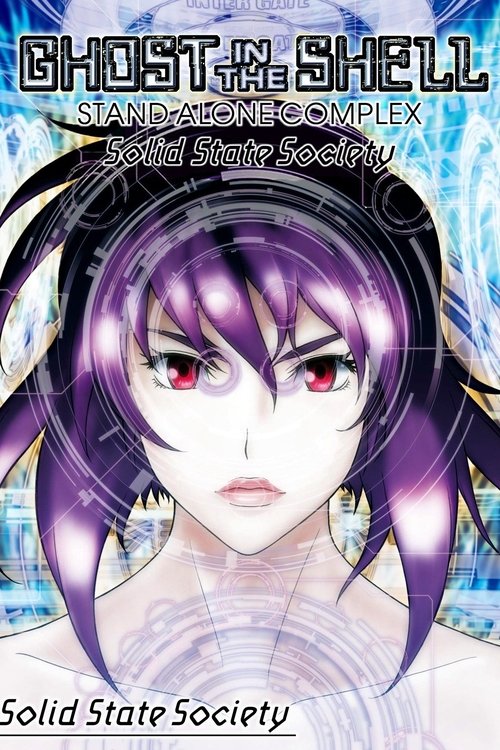
Ghost in the Shell: Stand Alone Complex - Solid State Society
2007
No user ratings available yet
Representation score: 8.8 out of 10
Representation Score
Fair
1999
RDirector
Hiroyuki Okiura
Runtime
102 minutes
Average Rating
No ratings yetNew Showbiz Analysis
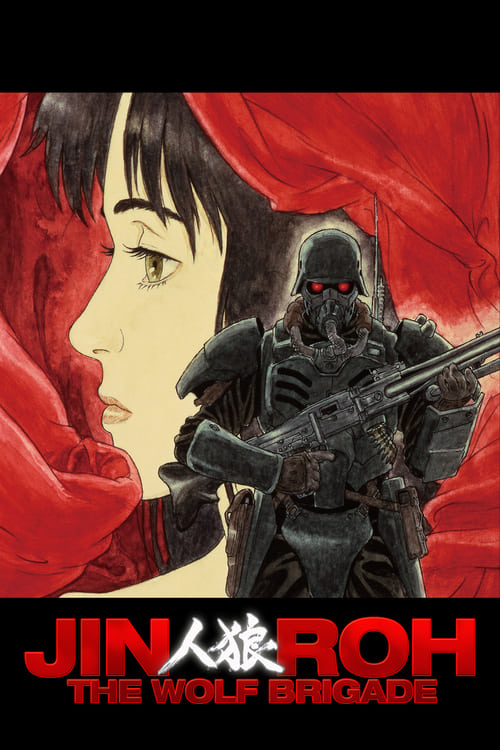
Jin-Roh: The Wolf Brigade is a somber, psychological character study that prioritizes atmospheric depth over demographic breadth. It succeeds as a sophisticated critique of systemic power, deconstructing the traditional hero archetype by showing how institutions dehumanize individuals. However, the film remains narrow in its social scope, lacking LGBTQ+ representation and maintaining a culturally homogenous setting. Ultimately, the work finds its strength in moral relativism and the exploration of psychological trauma, even as it fails to engage with a diverse range of identities or social perspectives.
Category Breakdown
The film focuses on the protagonist's psychological isolation and his relationship with a single female figure. There is no representation of LGBTQ+ identities or narratives involving non-binary genders.
The film depicts a hyper-masculine military hierarchy where ability to act is concentrated in paramilitary structures. Female characters often drive emotional stakes through their relationships to the protagonist or as victims.
Set in an alternate-history Japan, the film presents a culturally homogenous society. It avoids harmful stereotypes but does not utilize diverse casting to expand its demographic scope.
The film excels in critiquing institutionalized power and state-sanctioned violence. It portrays the state's authority as a dehumanizing mechanism rather than a source of order or justice.
The film explores invisible disabilities through the lens of PTSD. The protagonist's psychological detachment is a central arc, though it is framed as a consequence of his military role.
Present on Screen
Limited or Absent
Official Synopsis
A member of an elite paramilitary counter-terrorism unit becomes traumatized after witnessing the suicide bombing of a young girl and is forced to undergo retraining. However, unbeknownst to him, he becomes a key player in a dispute between rival police divisions, as he finds himself increasingly involved with the sister of the girl he saw die.
2007
2006
2007
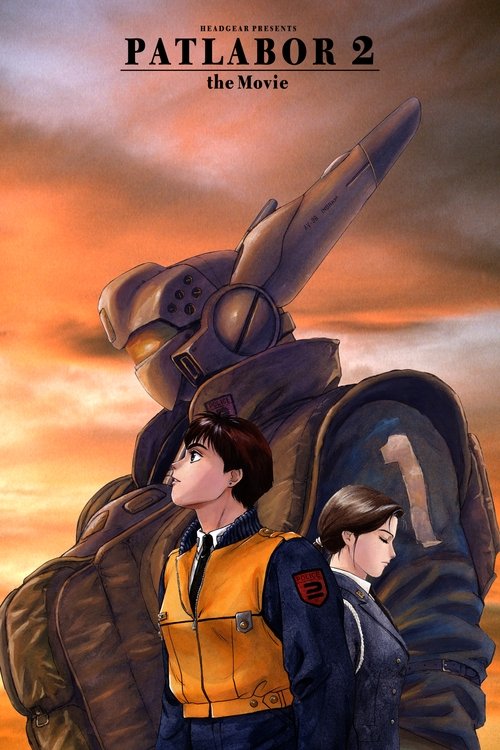
1993
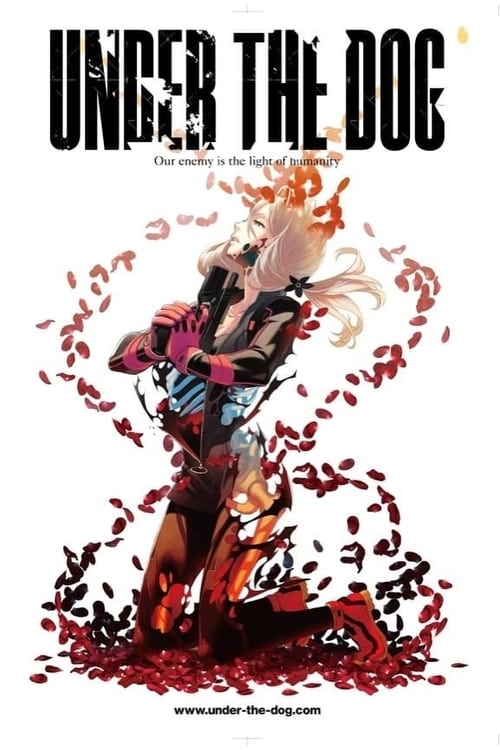
2016
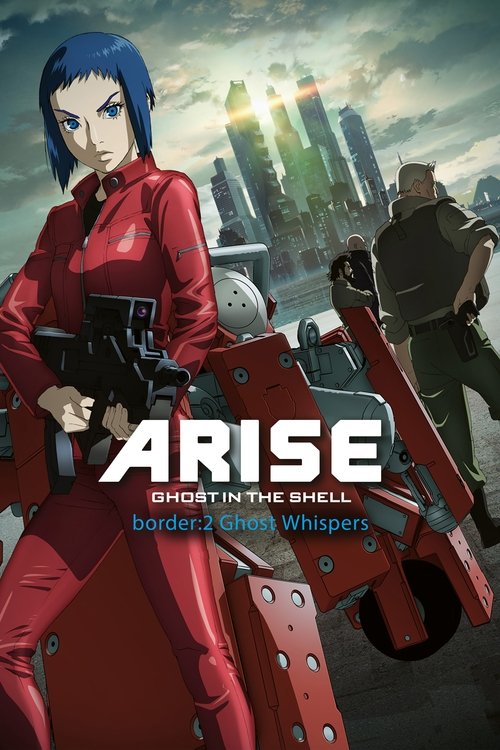
2013
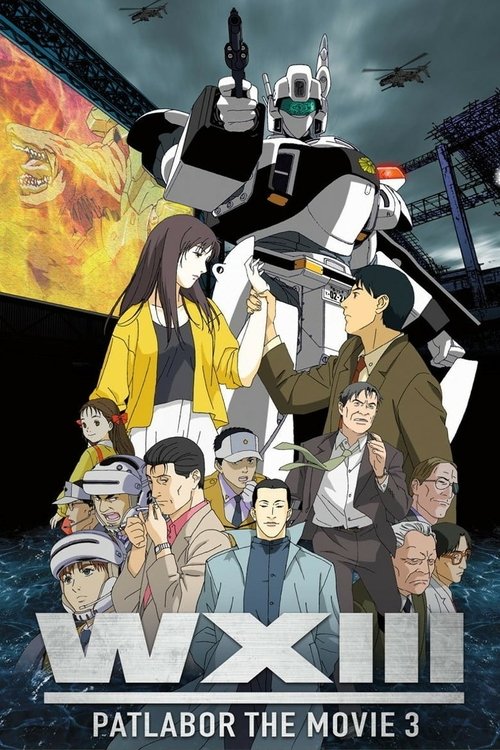
2002

2019
No reviews yet. Be the first to share your thoughts on this movie!
Use the rating form above to leave a star rating and optional review.