Luigi Proietti detto Gigi
2022
No user ratings available yet
Representation score: 4.4 out of 10
Representation Score
Fair
1997
Not RatedDirector
Anna Maria Tatò
Runtime
198 minutes
Average Rating
No ratings yetNew Showbiz Analysis
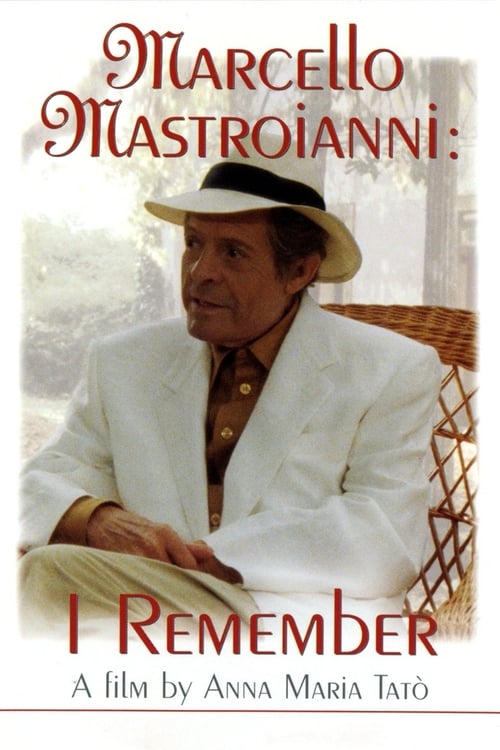
This biographical documentary centers on the personal legacy of Marcello Mastroianni, avoiding broader social commentary. Its narrative structure revolves around Mastroianni's reflections on his career and life. While the film does not intentionally represent diverse identities, it steers clear of harmful stereotypes. It provides a detailed look at regional cultures and human vulnerability, focusing on Western European contexts. The moderate scores reflect a narrow biographical focus. The work does not aim to challenge power structures, concentrating instead on a personal journey through time and the development of Italian cinema.
Category Breakdown
The documentary does not include explicit stories about LGBTQ+ identities or non-traditional gender expressions. There is no indication of subtle references suggesting LGBTQ+ themes.
The film focuses on a male figure, emphasizing a masculine viewpoint on film history. However, it breaks away from the typical tough-guy stereotype by showcasing Mastroianni's emotional sensitivity and intellectual depth.
The film highlights European cultural identity, particularly celebrating cities like Rome, Paris, and Naples. It does not feature a diverse cast, staying true to its Mediterranean setting.
The narrative emphasizes a humanist and philosophical outlook rather than religious themes. It prioritizes personal experiences and subjective truths over strict institutional beliefs.
There is a respectful mention of Mastroianni's deaf mother, providing a natural integration of disability into his family history.
Present on Screen
Limited or Absent
Official Synopsis
In 1996, Marcello Mastroianni talks about life as an actor. It's an anecdotal and philosophical memoir, moving from topic to topic, fully conscious of a man "of a certain age" looking back. He tells stories about Fellini and De Sica's direction, of using irony in performances, of constantly working (an actor tries to find himself in characters). He's diffident about prizes, celebrates Rome and Paris, salutes Naples and its people. He answers the question, why make bad films; recalls his father and grandfather, carpenters, his mother, deaf in her old age, and his brother, a film editor; he's modest about his looks. In repose, time's swift passage holds Mastroianni inward gaze.
2022
1965
2019
2008
2016
2015

2015
2005
No reviews yet. Be the first to share your thoughts on this movie!
Use the rating form above to leave a star rating and optional review.