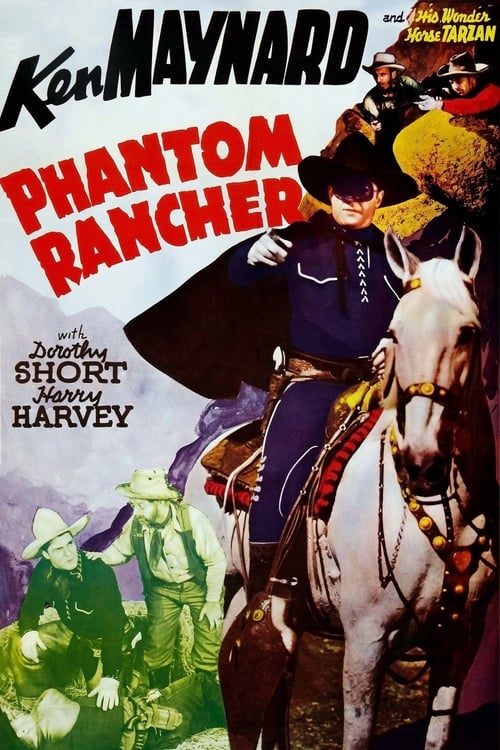
Phantom Rancher
1940
No user ratings available yet
Representation score: 1.3 out of 10
Representation Score
Minimal
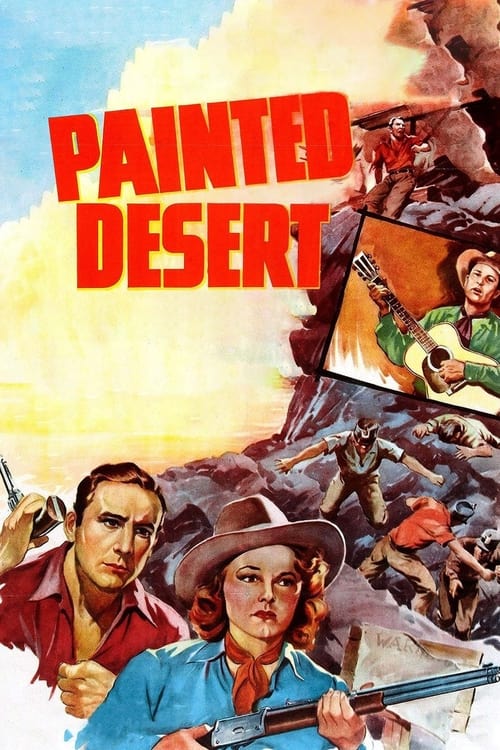
1938
PassedDirector
David Howard
Runtime
58 minutes
Average Rating
No ratings yetNew Showbiz Analysis
Painted Desert is a quintessential B-Western that upholds the social hierarchies and genre clichés of 1938. The narrative focuses on a binary conflict between a cowboy and a bandit, prioritizing traditional masculine competencies and property rights. The film lacks meaningful representation across almost all diversity metrics. It centers white men's control over the story while relegating other identities to the periphery or omitting them entirely. Ultimately, the film serves as a period piece that affirms traditional notions of justice and ownership rather than challenging the status quo of the American frontier.
Category Breakdown
The film follows strict conventions that assume everyone is straight or cisgender, typical of 1938 cinema. There is no indication of diverse sexual orientations or gender identities.
Male protagonists like the cowboy and bandit have significant roles in driving the story, while female characters likely serve as passive romantic interests or domestic motivators within this traditional framework.
The narrative likely centers around white protagonists within the desert setting, using a colonial perspective that may stereotype or sideline non-white characters.
The story promotes Western frontier expansionism and the sanctity of property through conflicts over a mine, reinforcing singular moralities rather than moral relativism.
There is no evidence of characters with visible or invisible disabilities. In this era of filmmaking, disability was rarely addressed, often in harmful ways.
Present on Screen
Limited or Absent
Official Synopsis
A cowboy and a bandit face off over possession of a valuable mine.
1940
1940
1949
1930
1932
1954

1948

1954
No reviews yet. Be the first to share your thoughts on this movie!
Use the rating form above to leave a star rating and optional review.