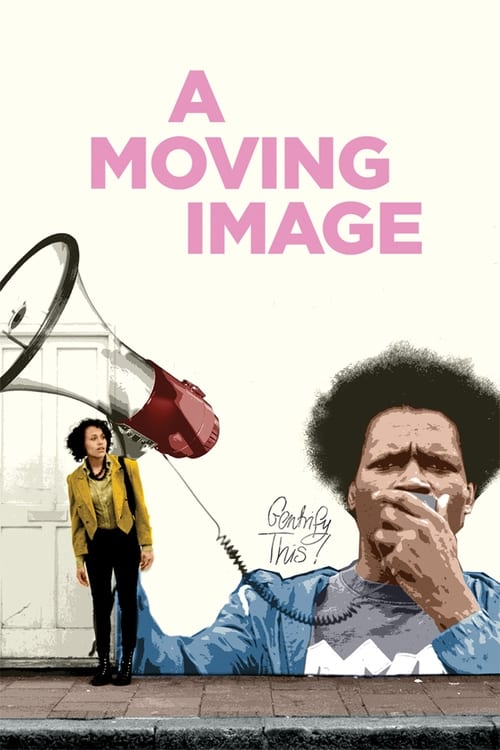
A Moving Image
2016
No user ratings available yet
Representation score: 8.8 out of 10
Representation Score
Good
2020
Director
Merawi Gerima
Runtime
90 minutes
Average Rating
No ratings yetNew Showbiz Analysis
Merawi Gerima’s work is deeply rooted in Ethiopian cinema and the African diaspora, emphasizing post-colonial perspectives. By centering a filmmaker documenting his own history, the film provides significant roles for characters of color. However, the film's focus on a single male protagonist's journey raises questions about gender and LGBTQ+ representation. While the themes of displacement are culturally rich, the specific portrayal of these identities remains unconfirmed. Overall, the film is a sophisticated exploration of memory and systemic displacement, challenging traditional narratives by focusing on the intersection of ethnicity and the erosion of traditional communal structures.
Category Breakdown
The film does not include any clear examples of LGBTQ+ identities or same-sex relationships. Although the theme of community scattering hints at identity exploration, there are no specific LGBTQ+ character arcs confirmed.
The story focuses on a male protagonist returning to his roots, which might emphasize a male perspective. However, the changing social structures of the neighborhood suggest room for nuanced gender portrayals.
The narrative breaks the Western-centric viewpoint by centering the experiences of those in the diaspora. Characters of color take control of their own stories rather than being subjects of an outside lens.
The film examines the impact of systemic changes on local communities, critiquing how modern structures and globalization can weaken traditional communal bonds. Displacement and its effects are key themes.
There is no clear evidence of the depiction of physical or neurodivergent disabilities within the film.
Present on Screen
Limited or Absent
Official Synopsis
A young filmmaker returns home after many years away, to write a script about his childhood, only to find his neighborhood unrecognizable and his childhood friends scattered to the wind.
2016
2015
2007
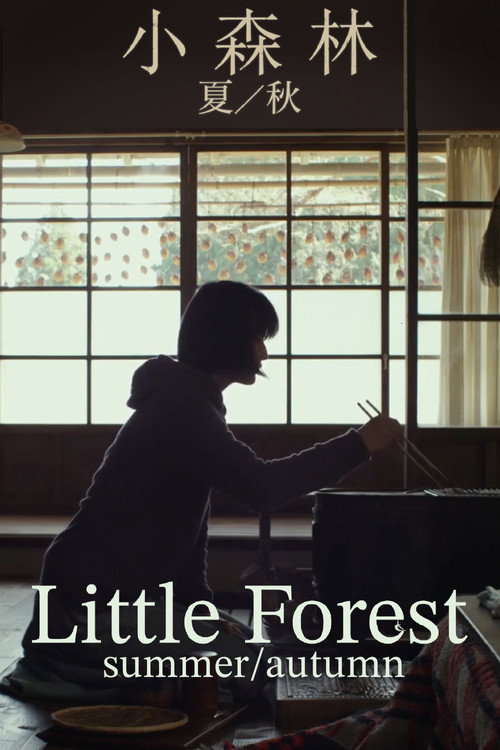
2014
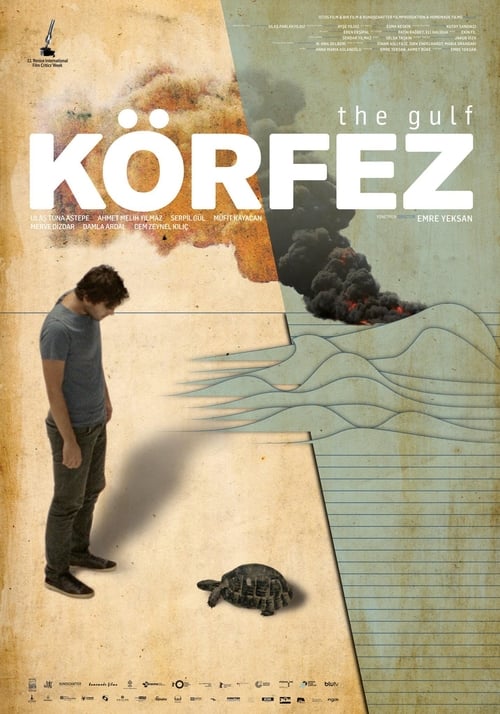
2017
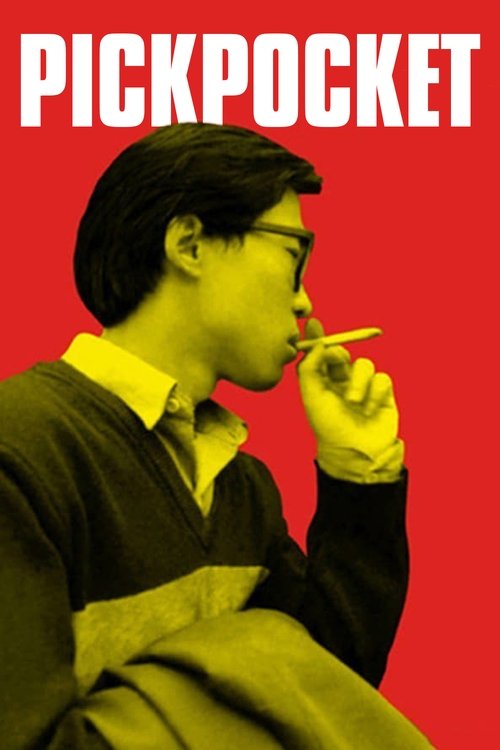
1997
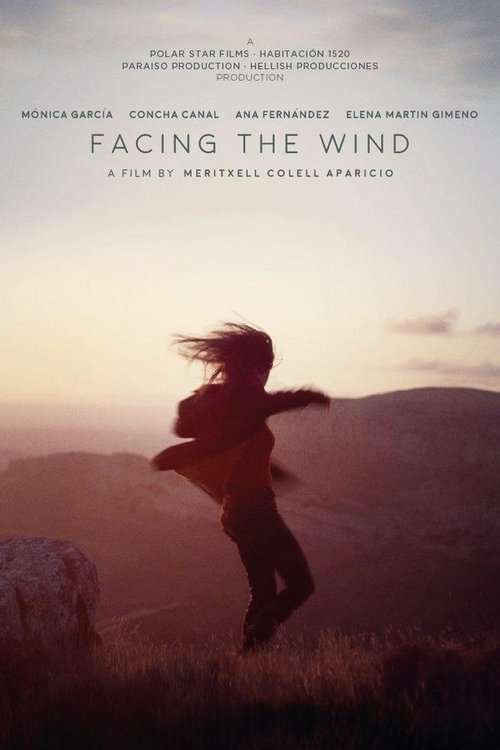
2018

2023
No reviews yet. Be the first to share your thoughts on this movie!
Use the rating form above to leave a star rating and optional review.