Union City
1980
No user ratings available yet
Representation score: 4.8 out of 10
Representation Score
Limited
1972
Director
Carlos Enrique Taboada
Runtime
85 minutes
Average Rating
No ratings yetNew Showbiz Analysis
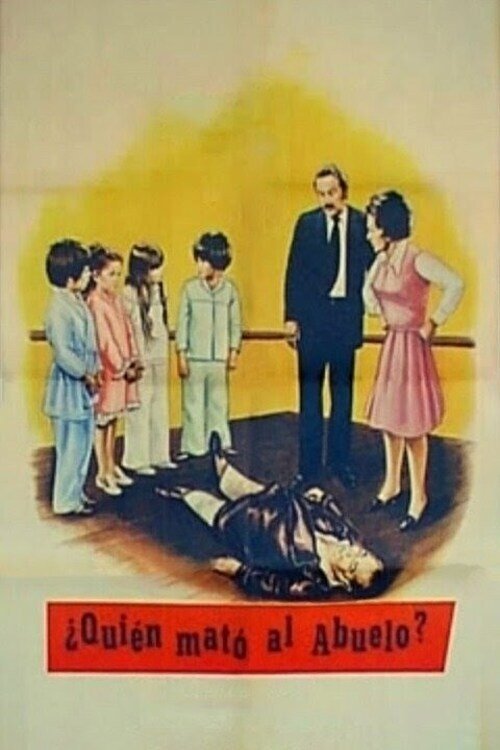
Who Killed Grandpa? is a dark comedy focused on greed and the subversion of legal duties. The narrative emphasizes psychological ability to act over demographic diversity. The film stands out by presenting a strong female lead who drives the plot through her intelligence and strategic thinking, even if her actions are morally ambiguous. This offers a fresh perspective compared to traditional submissive female roles. However, the film lacks depth in representing diverse identities, such as LGBTQ+, racial, and disability inclusion.
Category Breakdown
The film does not include any LGBTQ+ characters or stories about non-cisgender identities. The main conflict revolves around a traditional marriage.
The female protagonist challenges traditional gender roles by taking a strong, active role. She uses her intelligence to manipulate the pension system, showing a strategic mindset.
As a Spanish-language production, the film's specific racial makeup is unclear. There is no indication of diverse ethnic backgrounds or multi-layered casting.
The film critiques capitalist systems and traditional morality. It challenges the idea of the home as a sacred space by showing a dishonest family.
There are no characters with physical, sensory, or neurodivergent disabilities in the film.
Present on Screen
Limited or Absent
Official Synopsis
A man dies of a heart attack and his wife hides the body in order to continue collecting pension.
1980
1955
1987
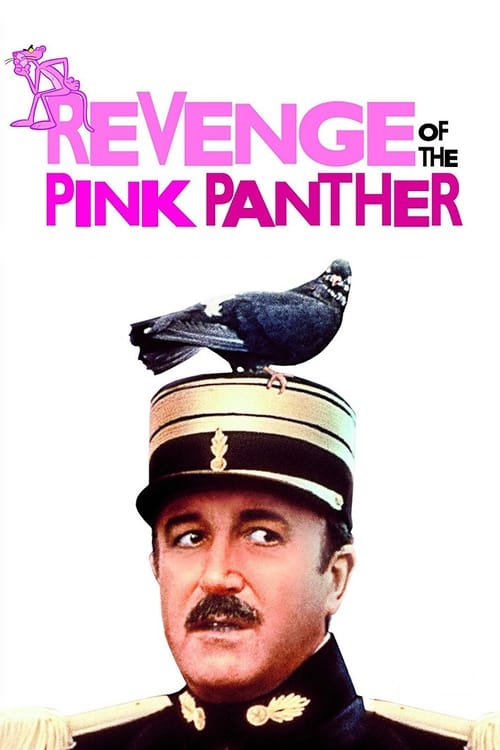
1978
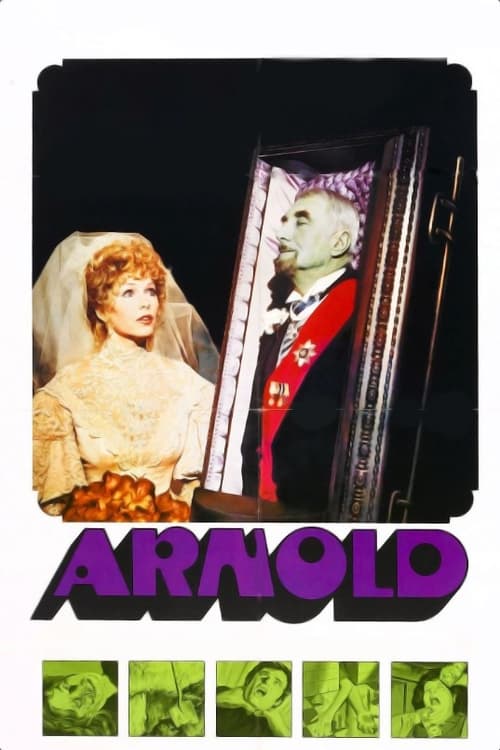
1973
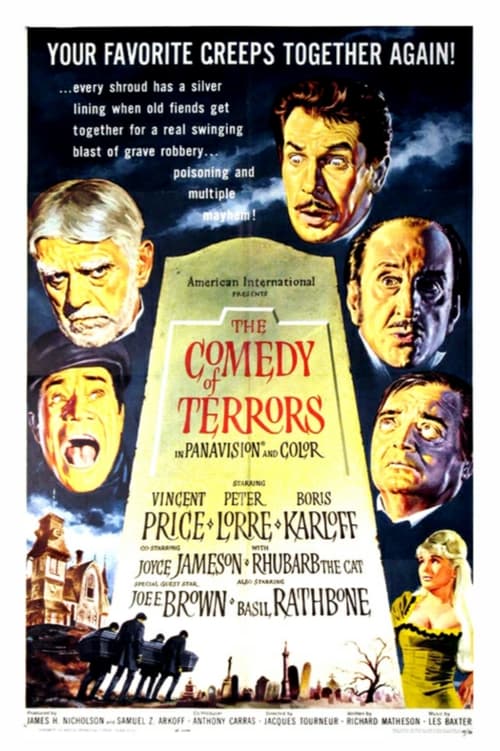
1964

1990
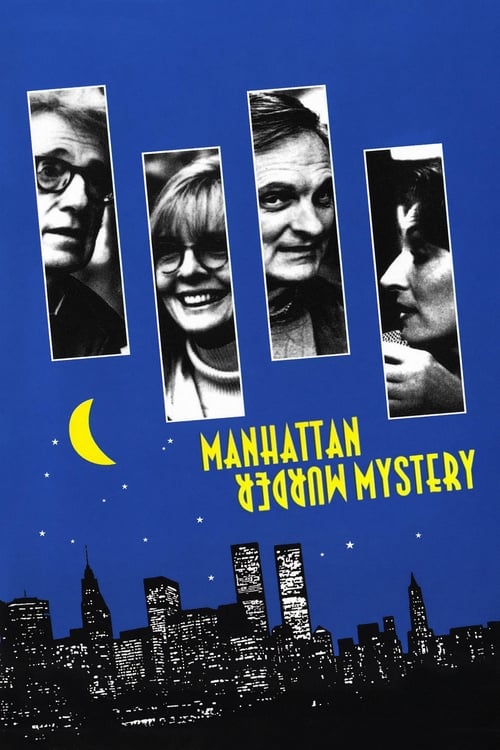
1993
No reviews yet. Be the first to share your thoughts on this movie!
Use the rating form above to leave a star rating and optional review.