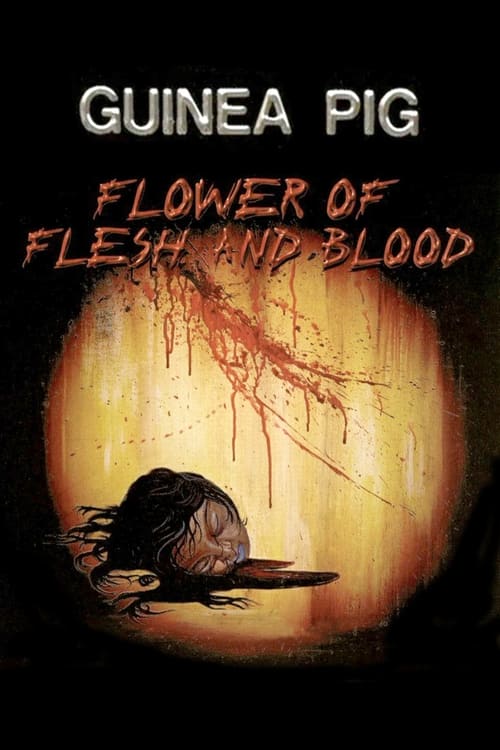
Guinea Pig Part 2: Flower of Flesh and Blood
1985
No user ratings available yet
Representation score: 0.7 out of 10
Representation Score
Minimal
1988
Director
Hideshi Hino
Runtime
58 minutes
Average Rating
No ratings yetNew Showbiz Analysis
Hideshi Hino’s work is a specialized entry in the Japanese splatter tradition, prioritizing visceral sensory shock over social commentary. The narrative structure focuses on a claustrophobic exploration of obsession and biological decay rather than identity-based storytelling. The film uses extreme practical effects to explore the intersection of grief and the grotesque. Since the focus remains on the deconstruction of the physical form, the work avoids engaging with multi-layered or progressive social frameworks. Ultimately, the film serves as a technical exercise in body horror. It does not aim to disrupt social hierarchies or provide a platform for underrepresented identities, remaining rooted in genre-specific clichés.
Category Breakdown
There are no LGBTQ+ characters or stories in the film. The main relationship follows typical, exaggerated romantic stereotypes between a male character and a female entity.
Gender roles follow traditional patterns in a horror setting. The male protagonist takes a leading role, while the female entity is passive, serving as both a subject of care and mutilation.
The film features a predominantly Japanese cast. It lacks diverse casting or the inclusion of various ethnic backgrounds, set in an isolated, urban industrial environment.
The film operates in a moral vacuum, avoiding engagement with religious, political, or capitalist frameworks. Instead, it focuses on a psychological collapse.
Physical trauma and biological degradation are used to create body horror. These elements do not provide a nuanced depiction of lived disability experiences.
Present on Screen
Limited or Absent
Official Synopsis
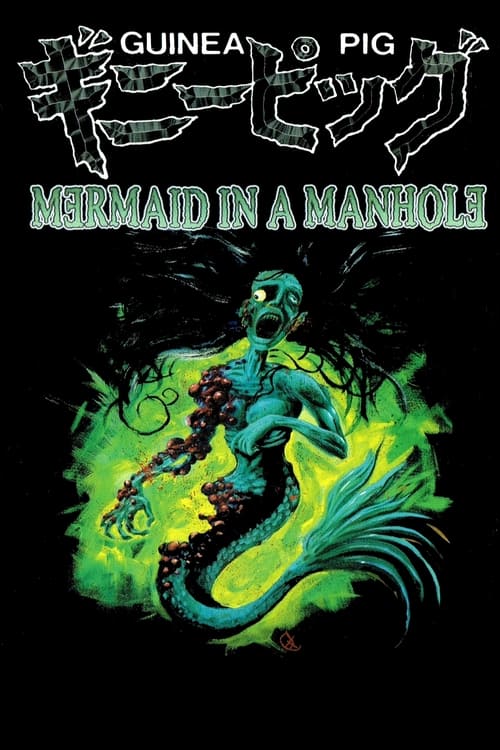
An artist dealing with the grief of his wife leaving him finds solace in painting the squalor of the sewer. He discovers a trapped mermaid, whom he brings home to heal. Her condition worsens, and she asks the artist to paint her before she dies.
1985

1969

1999

1989

1998
2001

1985

1986
No reviews yet. Be the first to share your thoughts on this movie!
Use the rating form above to leave a star rating and optional review.