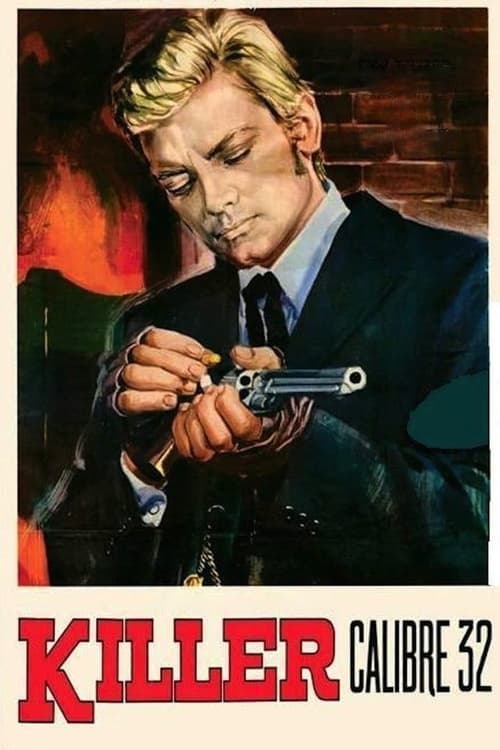
Killer Caliber .32
1967
No user ratings available yet
Diversity score: 3.1 out of 10
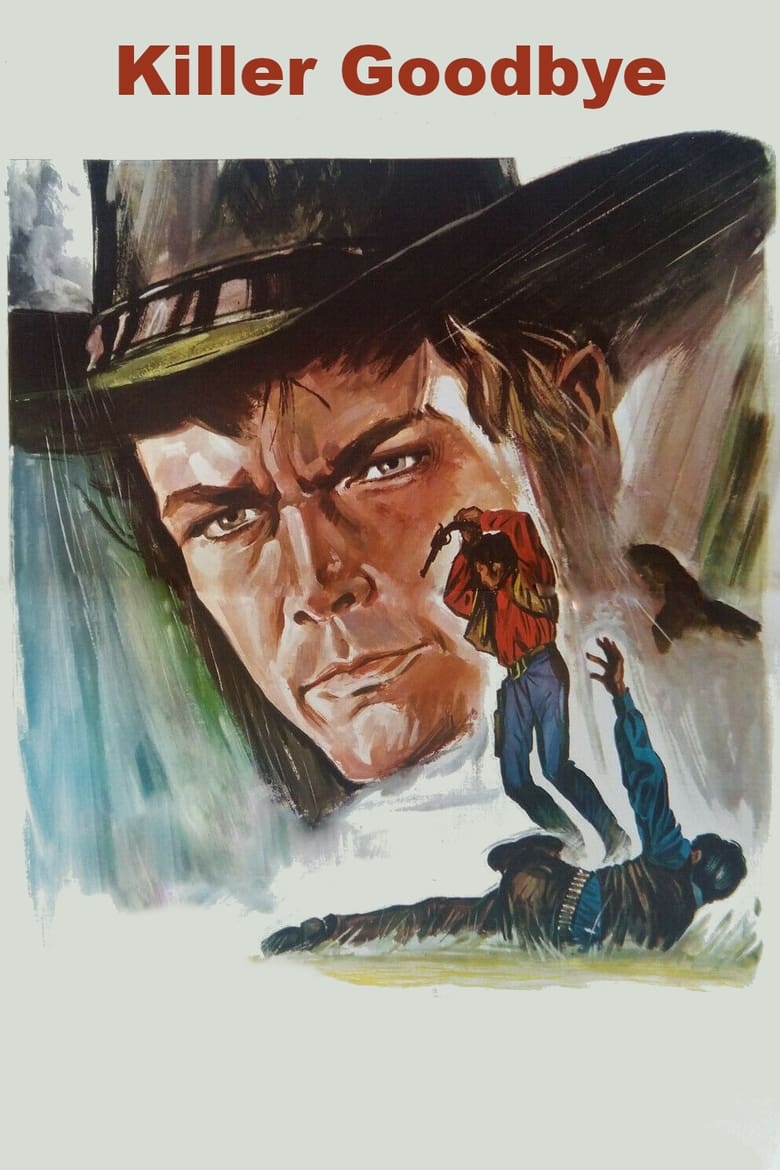
1968
Director
Primo Zeglio
Runtime
102 minutes
Average Rating
No ratings yetSynopsis
Jess Vrain returns to town at the request of a former friend to find that everything has changed. Not only has his ex-girlfriend become a refined lady but someone is killing people with the only clue being a rare Winchester rifle.
Overall Score
Limited
Category Breakdown
LGBTQ+ Representation
The film lacks any evidence of non-cisnormative identities or same-sex intimacy. The narrative relies on a traditional romantic interest, reinforcing a heteronormative framework typical of 1968.
Gender Representation
Agency is centered on the male protagonist, Jess Vrain, as he investigates a series of killings. The female lead is depicted as a refined lady, suggesting traditional femininity rather than subversion.
Racial & Ethnic Diversity
The story follows standard frontier tropes that historically emphasize Eurocentric archetypes. There is no indication of intersectional racial depth or the disruption of traditional ethnic hierarchies.
Religious & Cultural Diversity
The film adheres to classic Western storytelling, focusing on personal honor and individual justice. It reinforces established genre tropes rather than exploring secularist or anti-Western themes.
Disability Representation
There are no identifiable characters portrayed with visible or invisible disabilities. No narrative devices related to disability are present in the story.
Strengths
Areas for Improvement
AI Analysis
Killer Adios is a conventional Spaghetti Western that prioritizes genre archetypes over social diversity. The narrative structure focuses on a male hero's return to a changed town, centering the plot on his investigation and physical confrontation. The film operates within the standard social hierarchies of the late 1960s. It lacks representation for LGBTQ+ identities and provides minimal agency for female characters, who appear in traditional roles. Overall, the production reinforces established Western tropes and Eurocentric perspectives, offering little disruption to the era's typical cinematic norms.
1967
1966
1968
1967
1968
1966
1967
1968
1964
1971
1966
1968
No reviews yet. Be the first to share your thoughts on this movie!
Use the rating form above to leave a star rating and optional review.