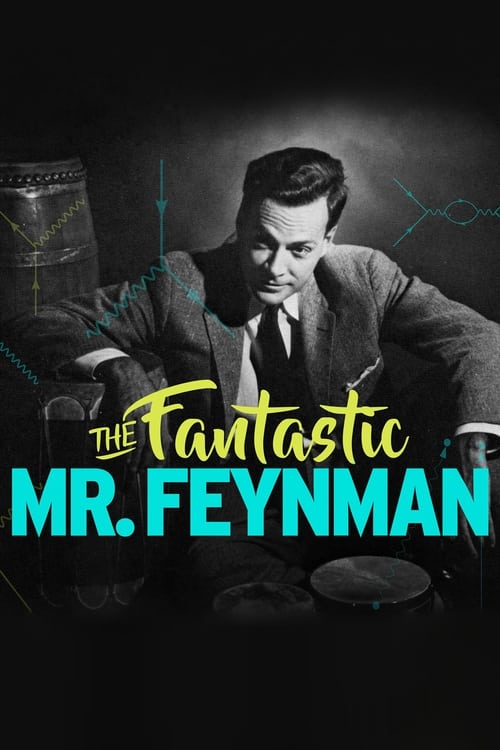
The Fantastic Mr Feynman
2013
No user ratings available yet
Representation score: 4.4 out of 10
Representation Score
Good
2019
TV-14Director
Mark Mannucci
Runtime
85 minutes
Average Rating
No ratings yetNew Showbiz Analysis
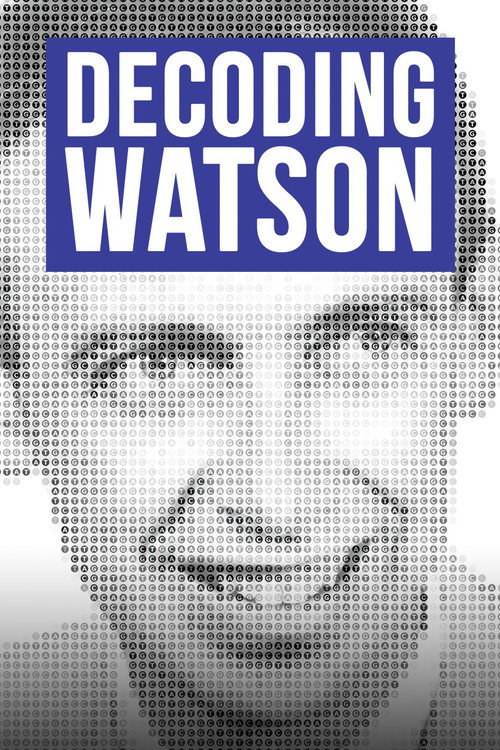
Decoding Watson presents a detailed biography that emphasizes character development over broad demographic representation. It avoids a purely celebratory tone, instead offering a nuanced critique of the subject's legacy through multiple viewpoints. The film effectively challenges the traditional 'great man' cliché by presenting a multifaceted deconstruction of its subject. It examines the subject's transformation from a visionary to a controversial figure. However, the documentary lacks significant representation of diverse identities and experiences. The focus remains on a Western, Anglo-Saxon scientific tradition.
Category Breakdown
The film does not prominently feature LGBTQ characters or themes. It focuses on a cisgender male subject without highlighting any queer identities.
Women play important roles as family members and researchers, but the story primarily revolves around the achievements and legacy of male scientists.
The documentary highlights a historical period where racial diversity was limited. It critiques the subject’s controversial statements using various perspectives.
The film challenges the 'great man' cliché by examining the subject's legacy critically. It explores how scientific progress intersects with outdated social views.
Watson's early career is described as socially awkward. These behaviors are portrayed as personality conflicts rather than a deeper look into neurodiversity.
Present on Screen
Limited or Absent
Official Synopsis
Thrust into the limelight for discovering the secret of life at age 25 with Francis Crick, influential Nobel Prize-winning scientist James Watson has thrived on making headlines ever since. His discovery of DNA’s structure, the double helix, revolutionized human understanding of how life works. He was a relentless and sometimes ruthless visionary who led the Human Genome project and turned Harvard University and Cold Spring Harbor Laboratory into powerhouses of molecular biology. With unprecedented access to Watson, his wife Elizabeth and sons Rufus and Duncan over the course of a year, American Masters explores Watson’s evolution from socially awkward postdoc to notorious scientific genius to discredited nonagenarian, also interviewing his friends, his colleagues, scientists and historians.
2013

2018

2013
2013

2007

2016
2019
2018
No reviews yet. Be the first to share your thoughts on this movie!
Use the rating form above to leave a star rating and optional review.