
Decoding Watson
2019
No user ratings available yet
Representation score: 6.1 out of 10
Representation Score
Excellent
2019
Director
Adam Bolt
Runtime
107 minutes
Average Rating
No ratings yetNew Showbiz Analysis
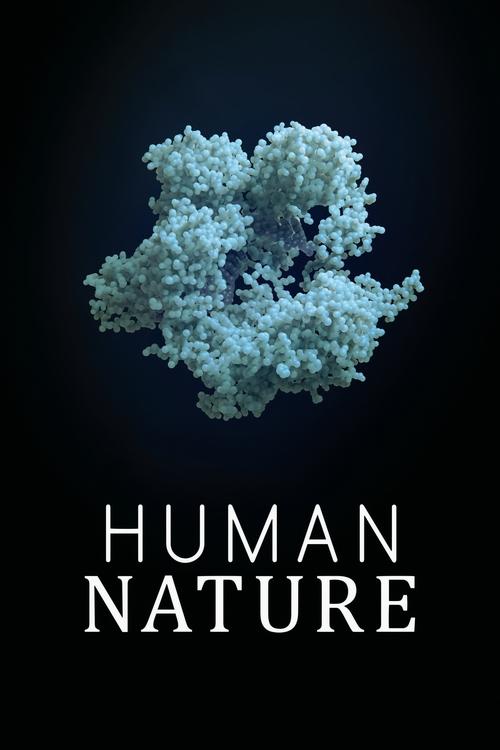
Human Nature succeeds in shifting the scientific narrative away from a hierarchy of 'expert-only' discourse. By centering scientists, families, and engineers, the film democratizes the conversation surrounding CRISPR technology. The documentary effectively uses the biological revolution to interrogate the boundaries between the natural and the engineered. It moves beyond simple instruction to offer a philosophical inquiry into human ability to act and ethical subjectivity. While the film lacks overt identity politics, its focus on subverting established biological norms aligns it with progressive storytelling. It challenges the idea of biological inevitability in favor of a more complex, human-driven future.
Category Breakdown
The film does not explicitly focus on LGBTQ+ identities or romantic narratives. Genetic engineering touches on reproductive rights, but there is no specific evidence of queer-coded characters.
The documentary decentralizes the 'lone male genius' cliché by incorporating diverse families and researchers. This creates a more collaborative view of scientific progress beyond traditional masculine leadership models.
The film addresses the global implications of biotechnology and the reshaping of the biosphere. While specific demographic breakdowns are unconfirmed, the scope implies a universal, non-Western-centric perspective.
The narrative explores moral relativism and critiques fixed natural hierarchies. It prioritizes a secular, post-humanist framework that views biological structures as malleable through human intellect.
By focusing on curing disease, the film centers the lived experiences of those with genetic conditions. It frames disability as a site of potential biological transformation and ability to act.
Present on Screen
Limited or Absent
Official Synopsis
The biggest tech revolution of the 21st century isn’t digital, it’s biological. A breakthrough called CRISPR gives us unprecedented control over the basic building blocks of life. It opens the door to curing disease, reshaping the biosphere, and designing our own children. This documentary is a provocative exploration of CRISPR’s far-reaching implications, through the eyes of the scientists who discovered it, the families it’s affecting, and the genetic engineers who are testing its limits.
2019
2013
2014
2017
2019
2019
2016
2016
No reviews yet. Be the first to share your thoughts on this movie!
Use the rating form above to leave a star rating and optional review.