Tesla
2016
No user ratings available yet
Representation score: 2.9 out of 10
Representation Score
Limited
2007
TV-PGRuntime
50 minutes
Average Rating
No ratings yetNew Showbiz Analysis
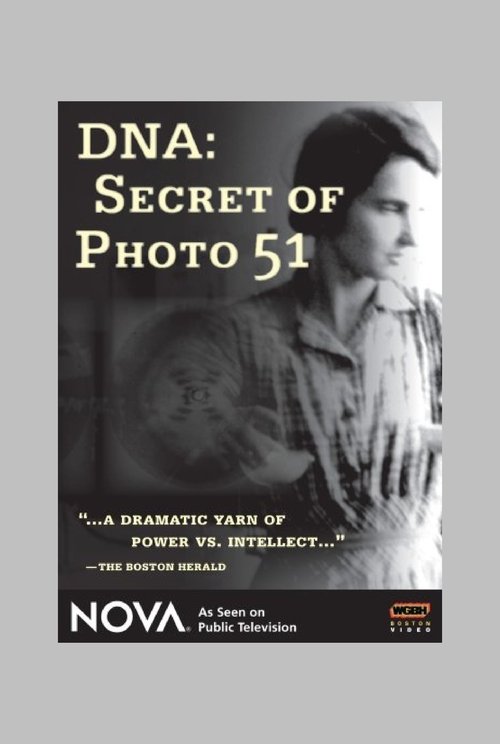
This documentary serves as a corrective narrative that challenges the traditional heroic narrative of male scientific discoverers. By focusing on Rosalind Franklin, it shifts attention from the celebrated triumvirate to the critical intellectual work of a underrepresented woman. The film's strength lies in its examination of gendered power dynamics. It dismantles the singular, male-centric triumph by presenting a nuanced picture of systemic exclusion and individual empowerment. However, the film is constrained by its historical focus. The emphasis on the 1953 scientific community leads to a lack of racial and LGBTQ+ diversity, reflecting the homogeneity of that era.
Category Breakdown
The film does not include any characters or stories related to LGBTQ+ identities.
The documentary challenges traditional gender roles by highlighting Rosalind Franklin's crucial contributions to science. It emphasizes the systemic obstacles women faced in a male-dominated field during the 1950s.
The narrative focuses on a time when racial diversity was minimal. There is no indication of a racially diverse cast or multi-layered dynamics within the scientific context.
The film revisits and questions official Western scientific accounts. It reveals how institutions historically downplayed or excluded certain contributors to uphold established myths.
There is no information about the portrayal of physical or neurodivergent disabilities.
Present on Screen
Limited or Absent
Official Synopsis
On April 25, 1953, James Watson and Francis Crick published their groundbreaking discovery of the double helix structure of DNA. But their crucial breakthrough depended on the pioneering work of another biologist, Rosalind Franklin. 50 years later, NOVA investigates the shocking truth behind one of the greatest scientific discoveries and presents a moving portrait of a brilliant woman in an era of male-dominated science.
2016
2017
2005

2018
2009
2013
2011
2008
No reviews yet. Be the first to share your thoughts on this movie!
Use the rating form above to leave a star rating and optional review.