My Zoe
2019
No user ratings available yet
Diversity score: 4.5 out of 10
2008
NRDirector
Kanji Nakajima
Runtime
110 minutes
Average Rating
No ratings yetSynopsis
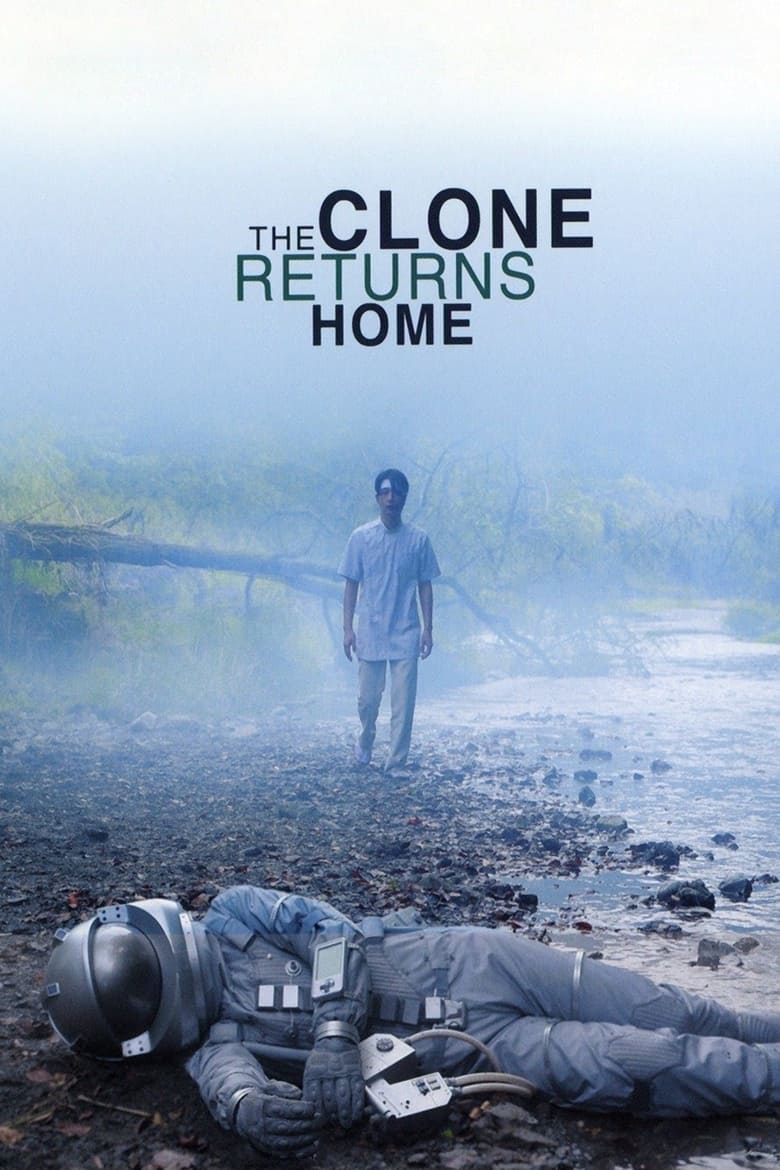
Kohei Takahara, an astronaut who dies in the line of duty, is legally resurrected as a clone: however, contrary to the scientists’ expectations, he reverts to his childhood memories when his twin brother drowned sacrificing his life for Kohei. Kohei’s clone discovers the body of his former self mistakenly believing that it is his deceased twin. Reliving his tragic past, he sets off carrying his corpse body to the beautiful hometown where he lived with his now dead mother.
Overall Score
Fair
Category Breakdown
LGBTQ+ Representation
The film lacks evidence of LGBTQ+ characters or narratives addressing non-cisnormative identities. It does not appear to engage with themes of sexual orientation.
Gender Representation
A central female figure, the protagonist's mother, serves as an emotional anchor. However, the story focuses heavily on male characters and their shared history.
Racial & Ethnic Diversity
As a Japanese production, the film operates within its cultural baseline. There is little information regarding broader ethnic diversity or casting choices.
Religious & Cultural Diversity
The narrative prioritizes subjective morality and personal truth over Western tropes. It favors emotional resonance and psychological reality over societal or institutional progress.
Disability Representation
The film explores invisible disabilities through psychological trauma. The protagonist's fragmented memory and identity disruption function as a profound cognitive struggle.
Strengths
Areas for Improvement
AI Analysis
The film uses science fiction as a metaphor for grief and the instability of identity. It subverts typical genre tropes by focusing on a psychological journey rather than technological advancement. While the narrative offers depth regarding trauma and memory, it lacks explicit demographic representation. The focus remains on the existential weight of the protagonist's past rather than social diversity. Ultimately, the work is a character-driven meditation on the self, prioritizing internal complexity over overt representation of various social groups.
2019
2005
2017

2014
2017
2010

2013

2011
2007

2019
2006
1986
No reviews yet. Be the first to share your thoughts on this movie!
Use the rating form above to leave a star rating and optional review.