Wristcutters: A Love Story
2007
No user ratings available yet
Representation score: 6.5 out of 10
Representation Score
Fair
2007
Director
Karen Oganesyan
Runtime
112 minutes
Average Rating
No ratings yetNew Showbiz Analysis
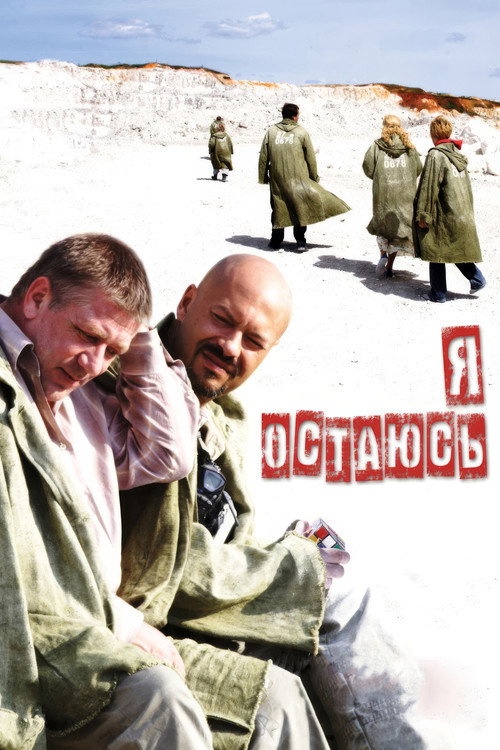
I'm Staying provides a nuanced character study that emphasizes emotional intelligence over rigid skepticism. The film's strength lies in its subversion of the detached male lead, using a metaphysical journey to foster empathy and tolerance. However, the narrative remains tied to traditional romantic structures and a likely homogeneous cast. While the protagonist experiences significant personal growth, the film lacks broader representation of diverse identities and perspectives that reflect multiple aspects of identity. Overall, the work functions as a moderate exploration of human connection, focusing on a spiritual deconstruction of a single man's worldview rather than broad social diversity.
Category Breakdown
The story centers on heterosexual romantic relationships, particularly the daughter's unrequited love for her boss. There are no queer narratives or non-cisgender identities explored in the plot.
Female characters play key roles in driving the emotional storyline, especially through the daughter's journey. The male protagonist's development is influenced by his desire to protect her, challenging traditional stoic male archetypes.
The film depicts a culturally homogeneous environment typical of 2007 Russian productions. There is no indication of diverse ethnic or racial representation within the narrative.
The film examines existential fluidity by moving the protagonist from rigid rationalism to a more tolerant worldview. It uses a metaphysical setting to critique strict secularism and dogmatic materialism.
A coma resulting from a traumatic brain injury serves as the central narrative device. The film portrays this state as a space for psychological empowerment rather than just a tragic condition.
Present on Screen
Limited or Absent
Official Synopsis
Many people assume that life does not end after death. Not Dr. Tyrsa, practical and skeptical man, who never believed in this nonsense. However, thanks to the bowling accident, he finds himself in a desert land with people like him not belonging to this world yet not accepted into the other. Now Dr. Tyrsa realizes that the life he used to live was not so bad, and he's got something worth returning to.
2007
2004

2015
1991
2019
1991

2021

2010
No reviews yet. Be the first to share your thoughts on this movie!
Use the rating form above to leave a star rating and optional review.