A Place to Die
1973
No user ratings available yet
Representation score: 1.4 out of 10
Representation Score
Minimal
1971
Not RatedDirector
Bernard L. Kowalski
Runtime
75 minutes
Average Rating
No ratings yetNew Showbiz Analysis
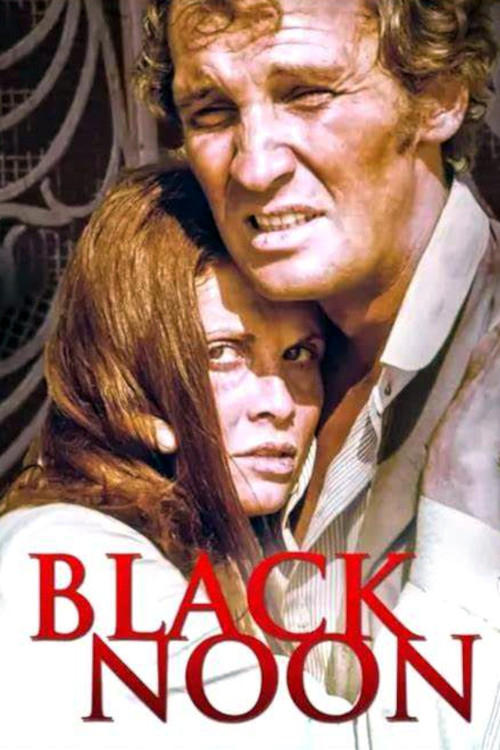
Black Noon is a genre-blending Western-Horror hybrid that prioritizes thematic tension over social representation. The film focuses on the conflict between a religious couple and a coercive community, using the setting to explore the vulnerability of individuals against collective institutions. While the film lacks meaningful racial, gender, or LGBTQ+ diversity, it offers a subtle deconstruction of the idealized frontier town. It shifts the focus from communal harmony to the predatory nature of organized social and religious structures. Ultimately, the work functions as a traditional period piece that finds its progressive value in its skepticism toward authority rather than its commitment to inclusive casting.
Category Breakdown
The film does not include any representation of LGBTQ+ identities or same-sex relationships. The main relationship follows a traditional heterosexual structure between Reverend John and Lorna.
Lorna's ability to drive the story is consistently undermined by a male-dominated community and her husband's compliance. Despite expressing a desire to move forward, her autonomy is disregarded by those around her.
The narrative depicts a traditional Western demographic typical of 1971. There is no indication of a diverse or non-Anglo-Saxon majority cast within the story.
The film critiques traditional Western institutions by presenting a welcoming community as predatory. It portrays religious authority as a source of systemic pressure rather than wholesome support.
There is no mention of characters with visible or invisible disabilities in the narrative.
Present on Screen
Limited or Absent
Official Synopsis
Reverend John Keyes and his wife, Lorna, on their way to a new congregation out west, break down in the desert and are rescued by the residents of a nearby town. At first warm and welcoming, the townspeople become more and more solicitous of John and insistent that he stay on as their minister, against the wishes of Lorna, who goes unheeded and slowly becomes deathly ill. Will John realize the danger before it is too late?
1973

1966
1983
1972
1973

1975
1971
1980
No reviews yet. Be the first to share your thoughts on this movie!
Use the rating form above to leave a star rating and optional review.