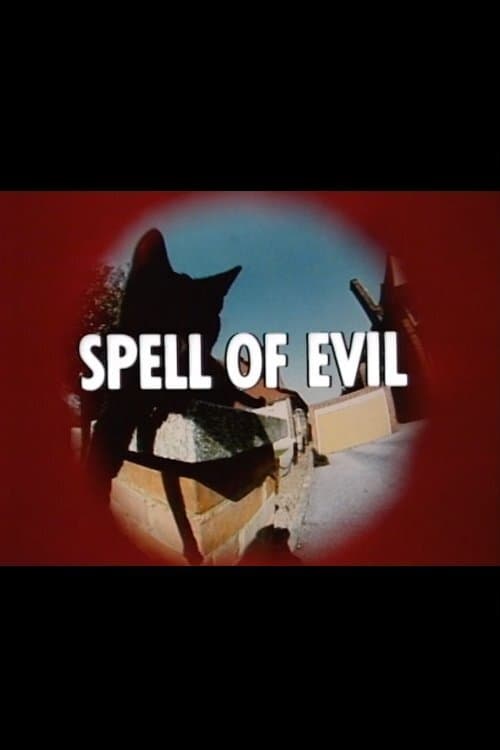
Spell of Evil
1973
No user ratings available yet
Representation score: 1.2 out of 10
Representation Score
Minimal
1973
TV-14Director
Peter Jefferies
Runtime
67 minutes
Average Rating
No ratings yetNew Showbiz Analysis
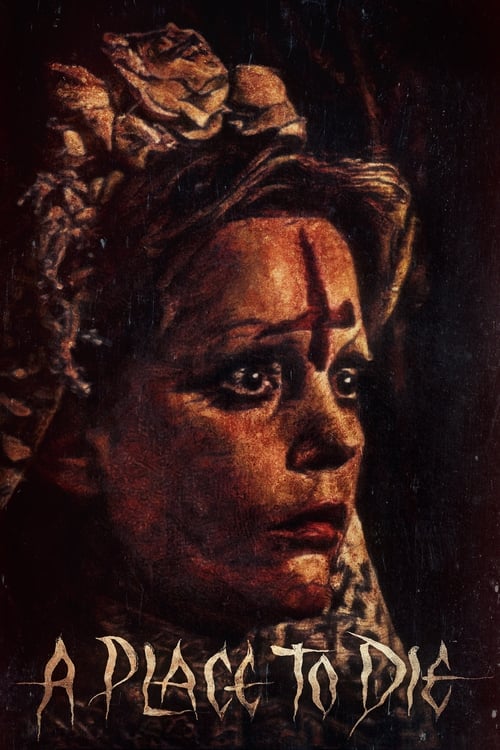
A Place to Die follows the traditional clichés of 1970s folk horror. The plot revolves around the classic tension between an outsider and a closed, insular community. This setup emphasizes the psychological conflict of the 'outsider vs. collective' over social deconstruction. The film relies on traditional character types, such as the professional male doctor and his observant wife. While Tessa gains more prominence in the story, the film does not challenge broader societal hierarchies or provide deeper exploration of diverse identities. Ultimately, the work functions as a genre piece that adheres to conventional social structures. It does not address diverse identities or disrupt established racial and gender norms.
Category Breakdown
The film does not include any characters with LGBTQ+ identities or non-cisgender genders. The main storyline focuses on a traditional heterosexual relationship.
Tessa starts as a passive character but becomes an active investigator. However, the overall domestic structure remains traditional.
There is no indication of a racially diverse cast. The village setting suggests a homogeneous population typical of 1970s films.
The story examines the clash between modern medicine and superstitious village beliefs. It critiques local social structures through a folk-horror lens.
No characters with visible or invisible disabilities are mentioned in the story.
Present on Screen
Limited or Absent
Official Synopsis
Doctor Bruce Nelson takes over the medical practice of a village general-practitioner. Upon arriving in their new home, the doctor and his wife, Tessa, receive a very warm welcome from all the villagers. Tessa is at first flattered by the villagers' constant fawning and gifts, but soon becomes wary of their strange ways, and begins to suspect there is something evil in the village.
1973
1964
1978

1989
1973
1980
1955

1971
No reviews yet. Be the first to share your thoughts on this movie!
Use the rating form above to leave a star rating and optional review.