Black Noon
1971
No user ratings available yet
Representation score: 1.7 out of 10
Representation Score
Limited
1973
PGDirector
Leo Garen
Runtime
92 minutes
Average Rating
No ratings yetNew Showbiz Analysis
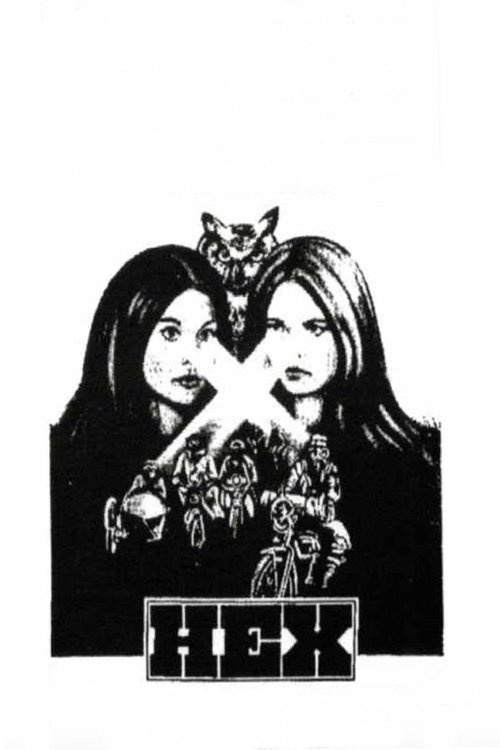
Hex (1973) is a genre-driven film that relies heavily on traditional 1970s clichés. While it includes some subversion through its female protagonists and Native American heritage, the core remains focused on male-driven aggression and conflict. The film's diversity is primarily seen in the latter part of the story, where the sisters gain power through supernatural means. However, tying ethnic identity to supernatural elements can limit the depth of character-driven representation. Overall, the film lacks complexity in representing multiple aspects of identity, focusing more on individual moral failings and retribution than on broader social critiques.
Category Breakdown
The film does not include any LGBTQ+ characters or stories about non-assuming gender matches what was assigned at birth identities. The plot revolves around conflicts between male veterans and the townspeople.
The male veterans initially drive the conflict, but the two sisters gain more control later through supernatural retribution. Their roles start in a domestic setting.
One of the sisters is identified as Native American, adding a layer of diversity. Her heritage is linked to the supernatural curse, which might rely on folklore clichés.
The story serves as a moralistic tale of retribution rather than a broader social critique. It examines social tensions and the consequences of antisocial actions.
There is no depiction of physical, sensory, or neurodivergent disabilities in the film.
Present on Screen
Limited or Absent
Official Synopsis
Set in rural Nebraska following the First World War, six veterans on motorcycles ride into the sleepy little town of Bingo. The locals are friendly until one of the vets beats a local kid in a drag race, after which the six are driven out of town. After coming upon a small farm, the fugitives are allowed to hide out by the two sisters who run the place. Things go smoothly until one of the vets, after smoking the locoweed growing nearby, tries to rape one of the hosts. Being part Native American, her sister decides to get revenge by casting a hex that steadily does in each of the unwelcome guests.
1971
1975
1983
1960
1970

1964
1965

1966
No reviews yet. Be the first to share your thoughts on this movie!
Use the rating form above to leave a star rating and optional review.