
A Young Girl in Her Nineties
2016
No user ratings available yet
Representation score: 7.5 out of 10
Representation Score
Fair
2014
PGDirector
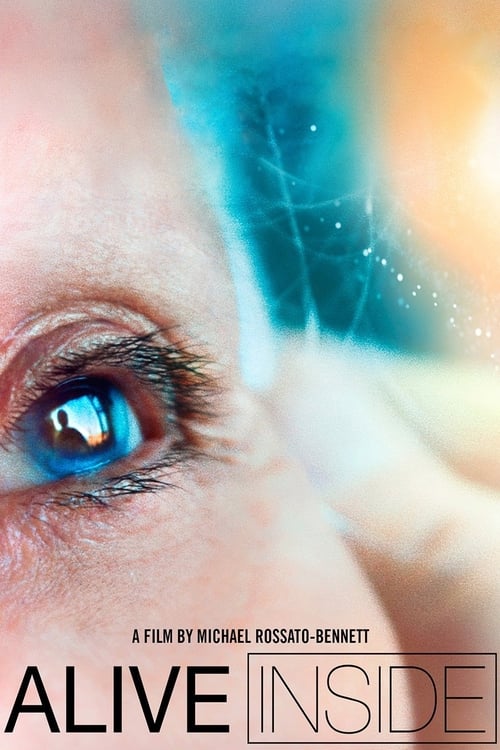
Michael Rossato-Bennett
Runtime
74 minutes
Average Rating
No ratings yetNew Showbiz Analysis
Alive Inside succeeds as a compassionate look at cognitive impairment, offering dignity to those living with Alzheimer's and dementia. By focusing on the emotional responses of patients, the film challenges the passive stereotype of medical subjects. However, the documentary's scope is limited. It emphasizes universal biological experiences over identity-based social critiques. This focus means it does not engage with LGBTQ+ identities or radical critiques of Western social structures. Overall, the film is a strong advocate for disability rights, even though it stays within traditional cultural and social frameworks.
Category Breakdown
The film does not include any documented LGBTQ+ characters or stories related to non-cisgender identities.
The story avoids traditional gender hierarchies by focusing on universal memory loss. Women are shown as both patients and caregivers with equal emotional roles.
The film showcases a variety of socioeconomic and age-based backgrounds. It reflects a typical cross-section of the American population without emphasizing race as a central theme.
The documentary maintains a traditional humanitarian perspective. It uses shared cultural elements like music to connect individuals to their communities.
The film effectively portrays neurodivergence and cognitive disabilities. It gives subjects real power, showing that having a disability doesn't mean losing one's humanity.
Present on Screen
Limited or Absent
Official Synopsis
Five million Americans suffer from Alzheimer's disease and dementia—many of them alone in nursing homes. A man with a simple idea discovers that songs embedded deep in memory can ease pain and awaken these fading minds. Joy and life are resuscitated, and our cultural fears over aging are confronted.
2016
2016

2013
1978
2009

2014
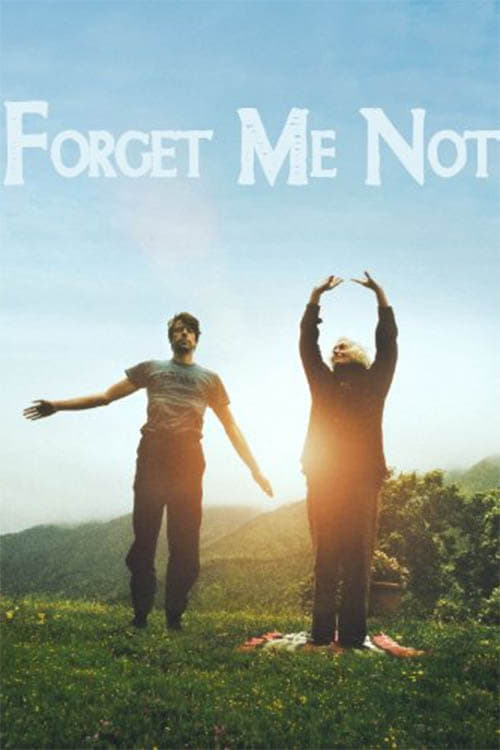
2013

2020
No reviews yet. Be the first to share your thoughts on this movie!
Use the rating form above to leave a star rating and optional review.