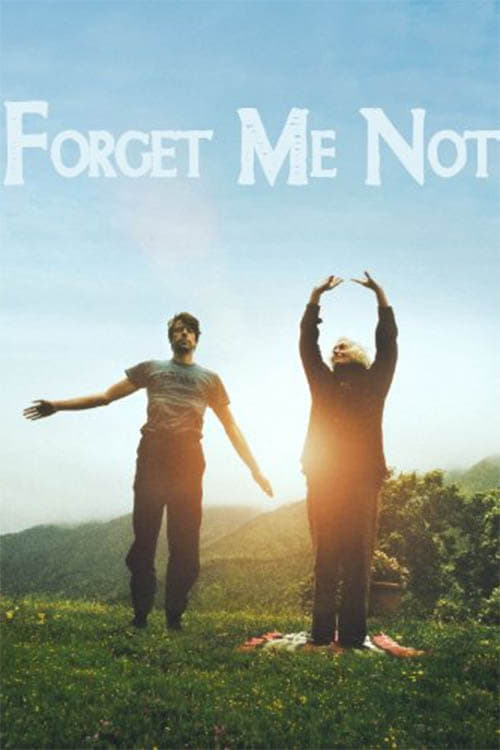
Forget Me Not
2013
No user ratings available yet
Representation score: 7.7 out of 10
Representation Score
Good
2016
Director
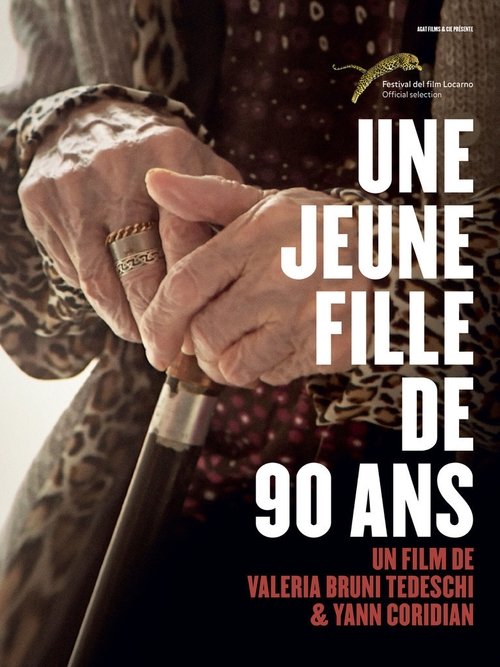
Yann Coridian, Valeria Bruni Tedeschi
Runtime
85 minutes
Average Rating
No ratings yetNew Showbiz Analysis
This documentary excels in its humanistic approach to neurodivergence. By using dance as a medium for expression, it allows patients with Alzheimer’s to reclaim their personal narratives and emotional complexity. The film successfully challenges ageist clichés by centering the romantic life of a 92-year-old woman. This provides a rare, nuanced look at geriatric femininity and emotional autonomy. However, the film is quite narrow in its social scope. It lacks significant racial and LGBTQ+ diversity, focusing instead on a localized, primarily European setting.
Category Breakdown
The film focuses on the romantic connection between Blanche and Thierry. It does not provide explicit evidence of queer identities or non-cisgender subtext.
The narrative centers on Blanche Moreau’s emotional independence. It challenges ageist expectations by showing an elderly woman capable of romantic desire and autonomy.
Set in a French hospital, the cast appears primarily European. The film functions as a localized study with limited ethnic diversity.
The film prioritizes subjective emotional truth over clinical reality. It also subtly critiques the sterile nature of modern Western healthcare systems.
Alzheimer’s patients are given ability to act through dance. The film avoids 'inspiration porn' by portraying neurodivergence as a complex mode of being.
Present on Screen
Limited or Absent
Official Synopsis
In the geriatric care section of the Charles Foix d’Ivry hospital, Thierry Thieû Niang, a famous choreographer, is running a dance workshop for Alzheimer’s patients. Through dance, lives are told, memories recounted: regrets, bitterness, moments of joy and solitude. Blanche Moreau is 92 years old. During the filming, she has fallen in love with the choreographer Thierry. The simple fact of falling in love being crazy enough as it is, there’s no longer anything else mad or delirious about Blanche: her illness has simply become lovesickness.
2013
2014
2015
2020
1987
2016
2014

2019
No reviews yet. Be the first to share your thoughts on this movie!
Use the rating form above to leave a star rating and optional review.