Have You Heard About Greg?
2021
No user ratings available yet
Representation score: 7.1 out of 10
Representation Score
Good
2009
TV-PGDirector
Eamon Harrington, John Watkin
Runtime
31 minutes
Average Rating
No ratings yetNew Showbiz Analysis
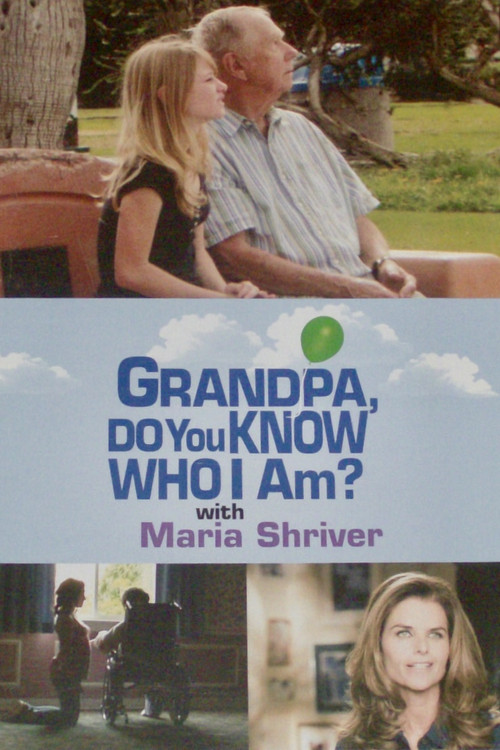
This documentary serves as an educational tool centered around the lived experience of neurocognitive decline. It excels by giving children a significant role in navigating their grandparent’s Alzheimer's disease. While the film effectively represents cognitive disabilities, it does not engage deeply with broader social hierarchies. Instead, it relies on traditional familial and social support structures. Ultimately, the work highlights resilience and coping within a conventional demographic framework, emphasizing medical and familial advocacy.
Category Breakdown
The film does not explicitly address the sexual orientation or gender identity of its participants.
The documentary includes a range of ages, from children to grandparents. Maria Shriver provides guidance through a female perspective.
The racial or ethnic background of the five children and their grandparents is not specified.
The film upholds traditional Western values related to family and elder care, serving as a tool for social support.
The film offers meaningful representation of cognitive disabilities through the lens of Alzheimer's, focusing on children's perspectives.
Present on Screen
Limited or Absent
Official Synopsis
Five children--ages 6-15--talk about coping with grandparents who are suffering from Alzheimer's disease in this documentary. Maria Shriver provides commentary and delivers valuable lessons for the kids.
2021
1978

2014

2020

2013

2011
2015

2014
No reviews yet. Be the first to share your thoughts on this movie!
Use the rating form above to leave a star rating and optional review.