The Road to Freedom
2011
No user ratings available yet
Representation score: 2.9 out of 10
Representation Score
Good
2016
Director
Licínio Azevedo
Runtime
93 minutes
Average Rating
No ratings yetNew Showbiz Analysis
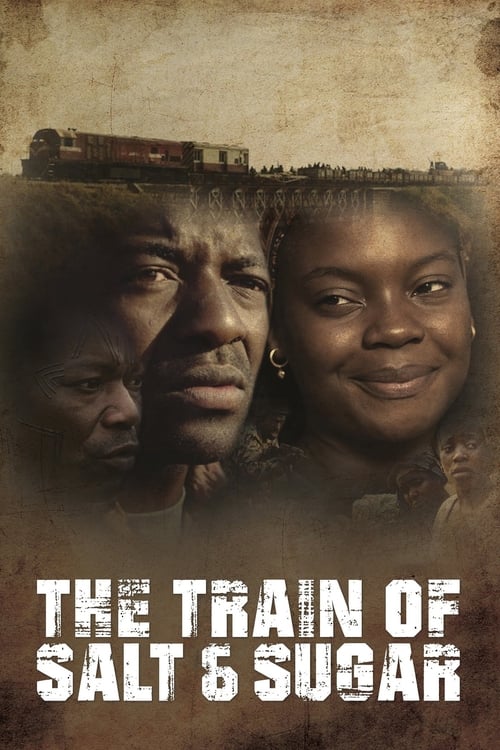
Licínio Azevedo’s film is a powerful study of civilian resilience during Mozambique's post-civil war era. By focusing on a precarious train journey, the story replaces traditional combat clichés with the lived realities of survival and informal trade. The film’s greatest strength lies in its authentic ethnic representation. It centers on Mozambican ability to act, avoiding external perspectives to provide a deeply localized and non-Western portrayal of a nation in flux. While gender representation is strong through active female roles, the narrative lacks visible engagement with LGBTQ+ themes. The focus remains primarily on the immediate, situational struggles of the central travelers.
Category Breakdown
The film focuses on interpersonal dynamics and wartime companionship. There is no explicit mention of queer identities being central to the plot.
Female characters like Mariamu and Rosa play significant roles in the story. Rosa, as a nurse, subverts traditional hierarchies within a male-dominated military environment.
The film centers a predominantly Black Mozambican cast, avoiding the Western perspective. It highlights the internal mechanics and ability to act of a nation recovering from civil war.
The narrative emphasizes informal economies and survivalism over state-sanctioned capitalism. It offers a nuanced view of post-colonial nationhood where morality is driven by necessity.
There are no prominent depictions of characters with visible or invisible disabilities in the narrative.
Present on Screen
Limited or Absent
Official Synopsis
In 1989, Mozambique is a country ruined by civil war. The train that connects Nampula to Malawi is the only hope for people willing to risk their lives to exchange a few bags of salt for sugar. Running slowly over sabotaged tracks, the journey is filled with obstacles and violence. Mariamu, a frequent traveler, shares her trip with her friend Rosa, a nurse who is going to her new hospital, living the reality of war for the first time, Lieutenant Taiar, who only knows the reality of his military life, and another soldier, Salomão, with whom he doesn’t get along. Amongst bullets and laughter, stories of love and war unfold as the train advances towards the next stop.
2011

1959
2020
2018

2017

2015

2016
2015
No reviews yet. Be the first to share your thoughts on this movie!
Use the rating form above to leave a star rating and optional review.