Big Beat
1993
No user ratings available yet
Diversity score: 6.0 out of 10
1997
Director
Péter Tímár
Runtime
100 minutes
Average Rating
No ratings yetSynopsis
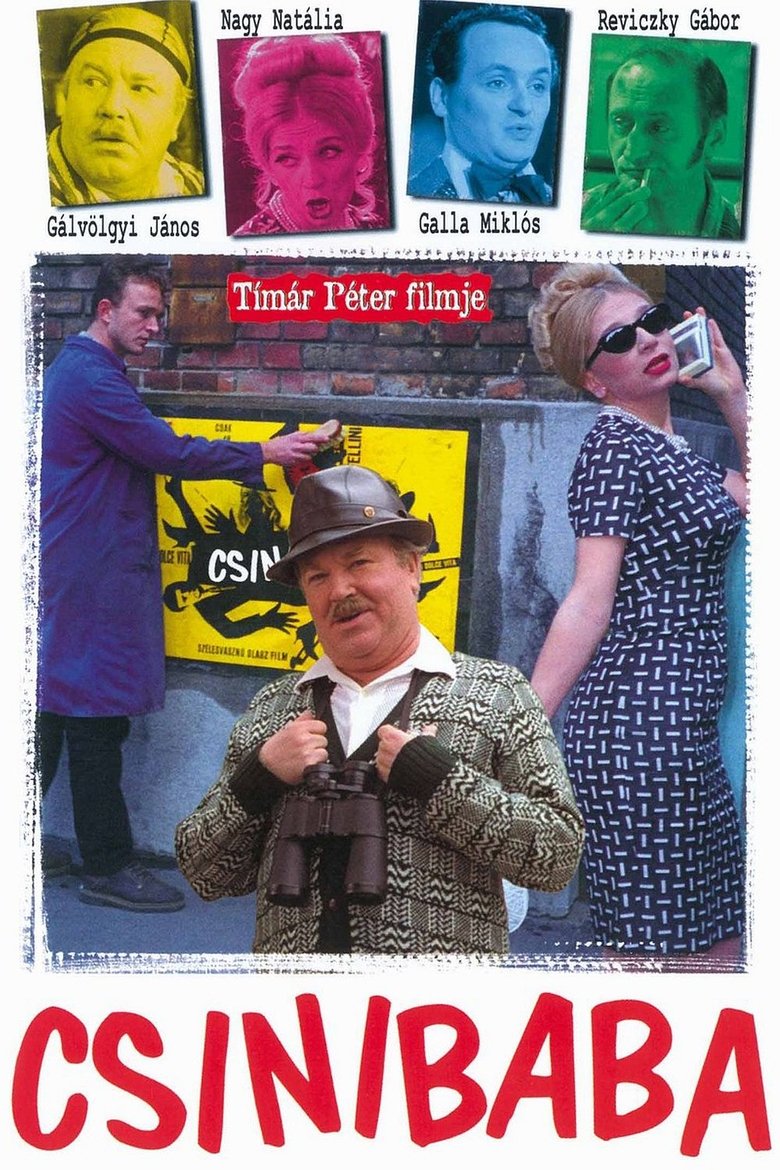
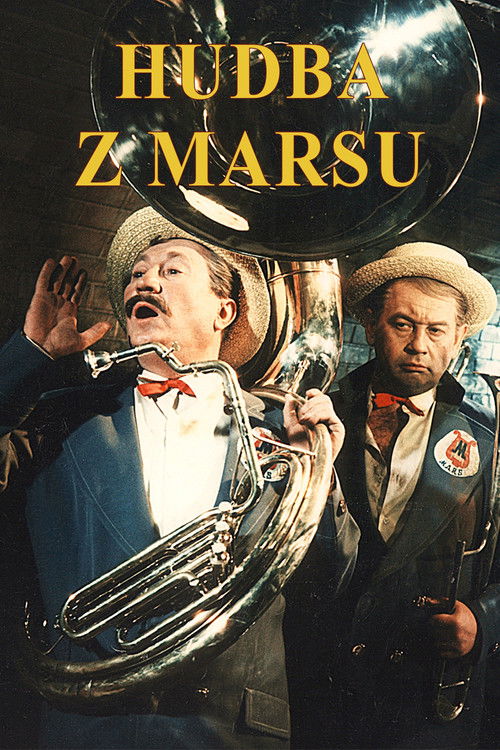
The movie is set in the actual "Ki Mit Tud?" talent contest in 1962. In reality the contest in dance music category was won by an army brass band. "Omega" which later became one of the most successful Hungarian rock bands came out in the second place.
Overall Score
Fair
Category Breakdown
LGBTQ+ Representation
The film reflects the social constraints of 1962, offering little explicit evidence of non-cisnormative identities. While youth culture tests traditional norms, queer representation remains largely absent from the narrative.
Gender Representation
The story explores the tension between traditional expectations and the agency of a younger generation. Musical aspirations allow for a subtle subversion of rigid hierarchies and more nuanced female agency.
Racial & Ethnic Diversity
Set in Hungary, the film depicts a relatively homogeneous ethnic landscape. It prioritizes cultural and generational shifts over modern concepts of racial blending or non-Anglo-Saxon diversity.
Religious & Cultural Diversity
The film excels by critiquing institutionalized culture. It highlights the friction between state-sanctioned brass bands and the rebellious, authentic expression of rising rock musicians like Omega.
Disability Representation
There is no significant evidence regarding the portrayal of physical or neurodivergent disabilities within the film's narrative.
Strengths
Areas for Improvement
AI Analysis
Dollybirds (Csinibaba) is a period piece that captures a specific moment of cultural transition in 1962 Hungary. It focuses on the friction between state-mandated musical institutions and the emergence of individualistic rock culture. The film's strength lies in its sophisticated portrayal of cultural friction and the rise of counter-cultural identities. It effectively uses the music scene to challenge the hegemony of state-sponsored art. However, the film lacks modern intersectional representation. It remains rooted in the homogeneous ethnic and social realities of the Eastern Bloc, offering little in the way of LGBTQ+ or racial diversity.
1993
2000
1971
1972

1995
2014

1973

2018
1955

2020

1987
1978
No reviews yet. Be the first to share your thoughts on this movie!
Use the rating form above to leave a star rating and optional review.