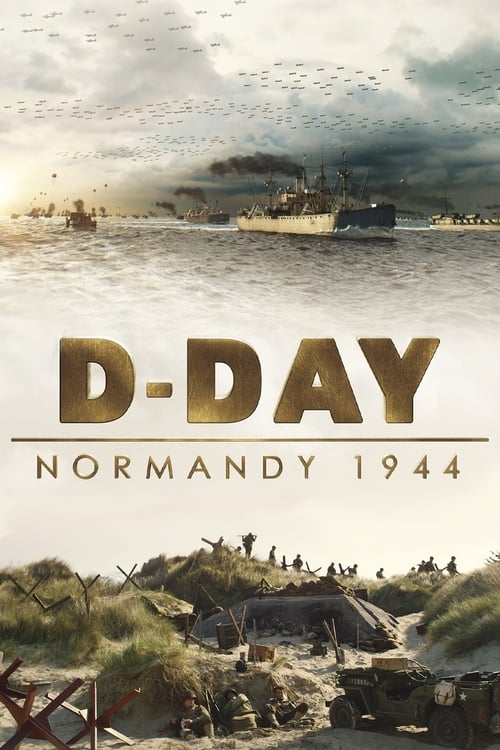
D-Day: Normandy 1944
2014
No user ratings available yet
Representation score: 3.4 out of 10

Representation Score
Fair
2004
Runtime
150 minutes
Average Rating
No ratings yetNew Showbiz Analysis
D-Day to Berlin is a traditional historical documentary that prioritizes chronological accuracy and firsthand combat testimonies. Because it reconstructs the specific socio-political realities of 1944–1945, the series inherently reinforces the era's social hierarchies. The production focuses on the primary military actors of the period, resulting in a narrative dominated by Western male combatants. While it provides a multi-perspective view of the battlefield, it lacks representation of underrepresented groups or non-combatant perspectives. Ultimately, the series functions as a tool for historical preservation. It captures the harsh reality of the campaign without attempting to challenge the conventional social norms of the mid-20th century.
Category Breakdown
The series focuses on documented military experiences from the mid-20th century. There are no visible LGBTQ+ narratives or character arcs present in the combat testimonies.
The narrative centers almost exclusively on male combatants from British, American, and German forces. Female leadership roles and ability to act are absent from the primary military accounts.
Representation is largely centered on Western European and North American combatant experiences. The focus remains on British and American soldiers rather than the broader, diverse Allied coalition.
The documentary follows traditional Western historical frameworks regarding the liberation of Europe. It emphasizes themes of patriotism and the geopolitical shift toward Soviet influence.
Physical trauma is depicted through archival footage of wounded soldiers. However, these portrayals serve as historical evidence of war rather than nuanced depictions of disability or ability to act.
Present on Screen
Limited or Absent
Official Synopsis
The collective military operations from D-Day to the final assault on Germany represent one of the greatest military offensives ever. D-Day to Berlin follows the Allies' remarkable progress from the beaches of Normandy to their ultimate victory just eleven months later. The celebration of Europe's liberation from the Nazis was tempered only by the chill of Stalin's new domination, truly making this the campaign that shaped the future of Europe. Using a testimony-driven format, this three-part series uses accounts of British, American and German soldiers, as well as archive footage, to bring the savage battlefields to life once more.
2014
2018
2014

2005
1962
1974

1971
2015
No reviews yet. Be the first to share your thoughts on this movie!
Use the rating form above to leave a star rating and optional review.