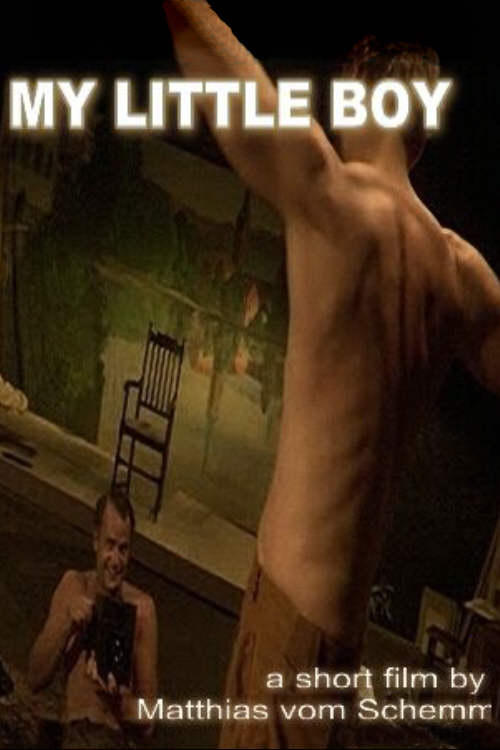
My Little Boy
2007
No user ratings available yet
Representation score: 5.7 out of 10
Representation Score
Minimal
1957
Director
Veit Harlan
Runtime
91 minutes
Average Rating
No ratings yetNew Showbiz Analysis
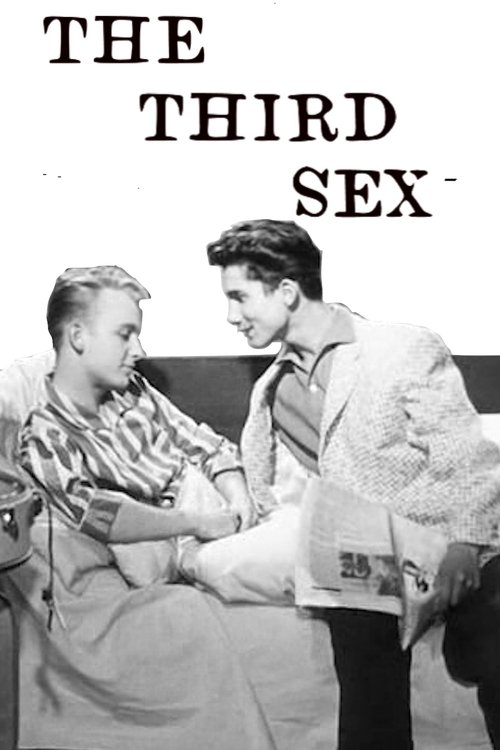
The Third Sex functions as a cautionary tale that reinforces 1950s social hierarchies. While it depicts queer spaces, the narrative arc focuses on 'fixing' the protagonist to maintain traditional family values. The film lacks racial and ethnic diversity, reflecting the homogeneous social dynamics of post-war Berlin. It operates within a rigid patriarchal framework that emphasizes conformity over individual autonomy. Ultimately, the work upholds established moral norms rather than challenges them, using queer themes to reinforce the necessity of social reintegration.
Category Breakdown
The film includes scenes set in underground gay clubs, acknowledging queer subcultures. However, the plot treats non-straight identities as issues needing correction by the protagonist's family.
The story centers on a male protagonist navigating societal expectations. It reinforces traditional masculine roles and the importance of conforming to social hierarchies.
Set in post-war Berlin, the film features a largely homogeneous cast. There is no evidence of racial diversity or characters reflecting multiple aspects of identity.
The narrative prioritizes the preservation of the nuclear family and traditional Western institutions. It views deviation from social norms as a disruption requiring management.
The film provides no information regarding the portrayal of physical, neurodivergent, or mental health conditions.
Present on Screen
Limited or Absent
Official Synopsis
Klaus is a young man in post-war Berlin. He is drawn to his friend Manfred and, under the encouragement of their acquaintance, Dr. Winkler, explore the underground world of gay clubs and electronic music. His family begins to learn of his other life and do everything they can to set him straight.
2007
1970

1971
2017

2014

1969

2016

2017
No reviews yet. Be the first to share your thoughts on this movie!
Use the rating form above to leave a star rating and optional review.