You are here:

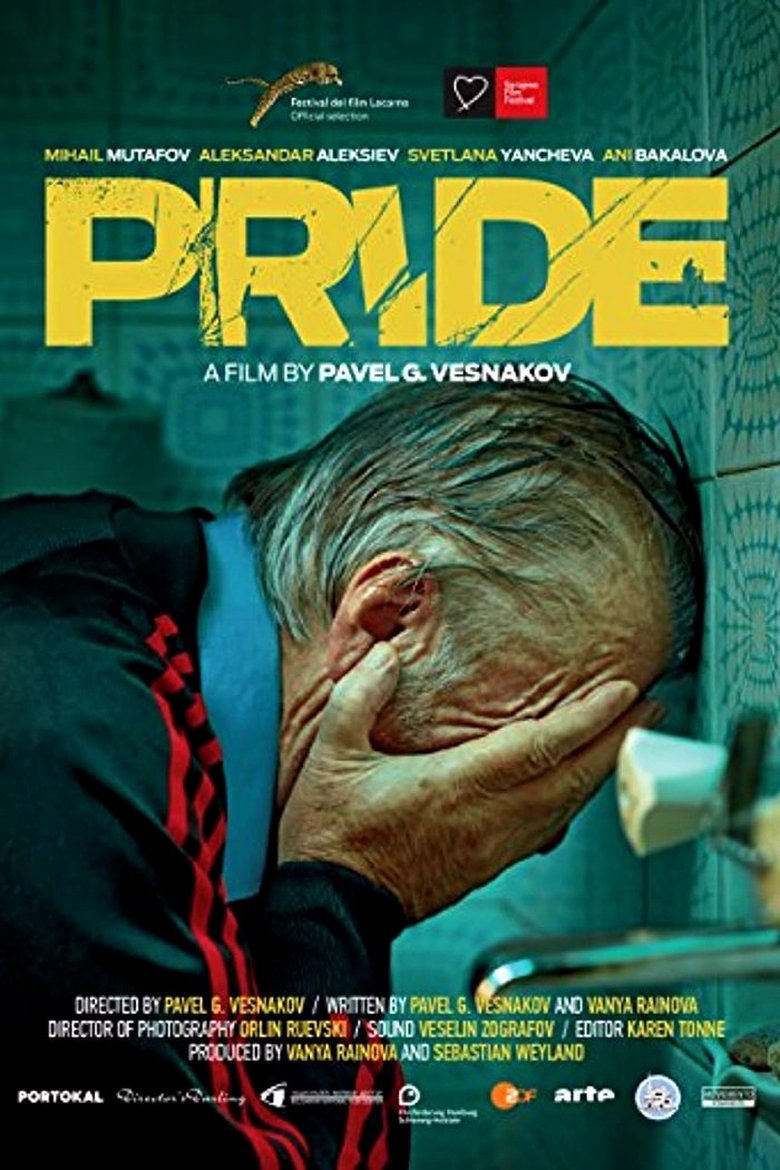
Pride

Pride

Representation Score

4.1/10

Fair

2013

R

Director

Pavel G. Vesnakov

Runtime

29 minutes

Average Rating

No ratings yet

New Showbiz Analysis

Pride (2013) is a character-driven film that highlights the tension between established systems and evolving identities. The movie effectively challenges the stability of patriarchal hierarchies, presenting the decline of the old guard as an inevitable part of societal change. The narrative uses the domestic conflict between a retired general and his grandson to illustrate how shifting social identities weaken traditional hierarchies. This focus on non-traditional identities provides a clear thematic foundation. However, the film's scope is limited due to a lack of information about racial and disability representation. The story primarily addresses the ideological conflict within a specific family setting.

Watch this, not that →

Category Breakdown

Does Pride have LGBTQ+ representation?

Good

The film focuses on a conflict centered around a non-straight identity. By depicting the patriarch's struggle as a battle he cannot win, the story emphasizes the lived experiences of LGBTQ+ individuals over traditional values.

How does Pride portray gender?

Fair

The narrative examines the clash between traditional masculine authority and a changing social landscape. It subtly questions the idea of a stable male leader by showing the retired general's loss of historical power.

How racially and ethnically diverse is Pride?

Minimal

There is no information available regarding the racial or ethnic composition of the cast or the setting. Consequently, no assessment of racial diversity can be made.

How does Pride represent religion and culture?

Good

The story critiques rigid, traditional social structures by showing strong morals as vulnerable to personal identity. It aligns with themes of moral relativism, prioritizing the individual over strict doctrine.

Does Pride include disability representation?

Minimal

The provided context contains no mention of neurodivergence, physical disability, or mental health conditions. No data exists to evaluate representation in this category.

Present on Screen

  • Challenges traditional patriarchal hierarchies by focusing on non-straight identities.
  • Examines the inevitable evolution of social identities against rigid institutional norms.
  • Offers a nuanced perspective on the erosion of historical masculine authority.

Limited or Absent

  • Lacks visible representation or data regarding racial and ethnic diversity.
  • Provides no information concerning disability or neurodivergent representation.
  • Focuses heavily on a singular ideological conflict, neglecting other identity dimensions.

Official Synopsis

Manol — a retired general and a loving grandfather — is a patriarch of firm morals and fixed beliefs, which he has upheld in his household. But on this day, he learns that the boy he raised is gay. The life choices of his loved ones challenge his values in a battle he has lost by default.

How are these scores produced? →

Where to Watch

Rate this Movie

No rating selected
Use arrow keys to select a rating from 1 to 5 stars
Optional text review, maximum 2000 characters
Tip: Wrap spoilers with ||double pipes|| to hide them
0/2000 characters
You must be signed in to submit a rating

Reviews

No reviews yet. Be the first to share your thoughts on this movie!

Use the rating form above to leave a star rating and optional review.