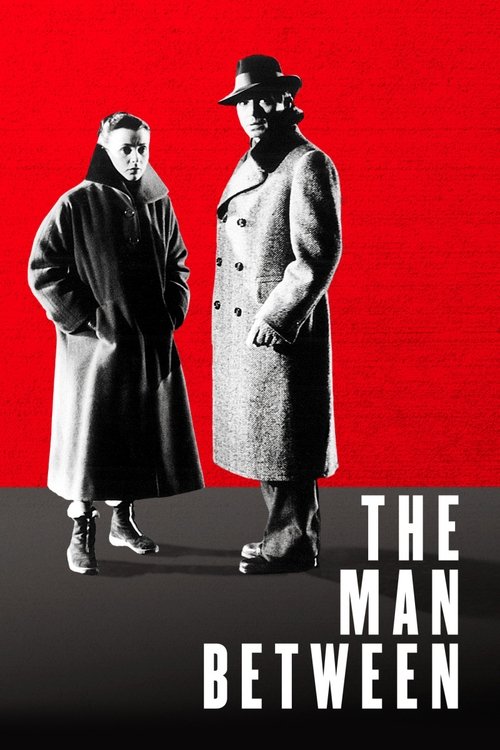
The Man Between
1953
No user ratings available yet
Representation score: 2.9 out of 10
Representation Score
Limited
1953
ApprovedDirector
Cy Endfield
Runtime
76 minutes
Average Rating
No ratings yetNew Showbiz Analysis
The film operates as a standard post-war espionage thriller, adhering closely to the social and demographic norms of 1953. The narrative prioritizes genre tension and traditional romantic clichés over diverse character studies. While director Cy Endfield often explores systemic friction, this film follows conventional mid-century storytelling. The focus remains on Anglo-American perspectives and established gender roles within the thriller framework. Ultimately, the film functions within the limited representation typical of its era, using physical disability and gender primarily as functional elements to advance the central plot.
Category Breakdown
The film focuses on a romance between an American veteran and a London woman. There are no representations of LGBTQ+ identities or narratives that challenge traditional norms.
The female lead drives the plot through her involvement with a spy network, but she seems tied to the male protagonist. Her role aligns with traditional mid-century gender roles.
Set in post-war London, the story centers on American and British characters. The narrative reflects the homogeneous Anglo-American demographic typical of 1950s Western cinema.
The film explores individual loyalty against the pressures of state espionage. It engages with post-war institutional instability without offering an explicit anti-Western critique.
The 'limping sniper' suggests physical impairment is used as a plot device. There is little evidence of the character having a significant role beyond this physical identifier.
Present on Screen
Limited or Absent
Official Synopsis
An American veteran returns to England after WWII to learn that his London lover has become involved with a dangerous spy ring and their search for a limping sniper.
1953

1952

1945
1943

1958

1944

1950

1949
No reviews yet. Be the first to share your thoughts on this movie!
Use the rating form above to leave a star rating and optional review.