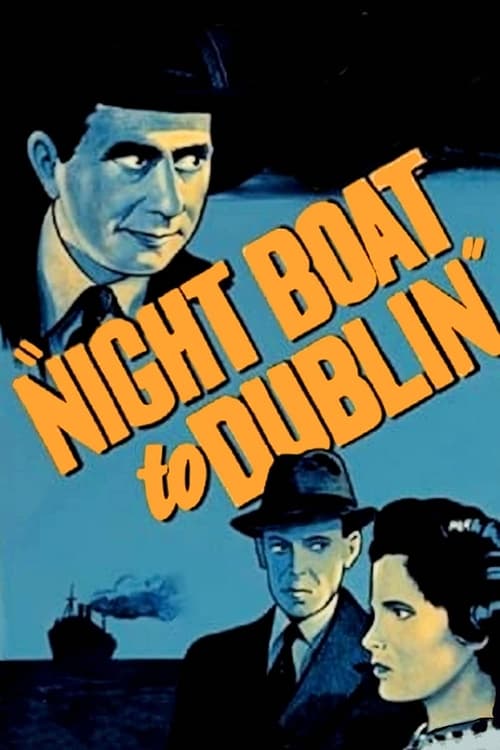
Night Boat to Dublin
1946
No user ratings available yet
Diversity score: 1.9 out of 10

1941
Director
Lawrence Huntington
Runtime
78 minutes
Average Rating
No ratings yetSynopsis
Wartime Germany: Marie, a concentration camp escapee on the run from the Nazis, narrowly escapes drowing when she is rescued by Wolfe Kristan a half-mad lighthouse keeper. Brought aboard the lighthouse itself, she begins to fall in love with the assistant keeper who, unknown to her, is a British spy. As the couple become more intimate, Kristan's jealously finally pushes him over the brink and into full-blown madness...
Overall Score
Limited
Category Breakdown
LGBTQ+ Representation
The film lacks LGBTQ+ characters or non-heteronormative identities. The central romance follows a traditional heterosexual arc between a female escapee and a British spy.
Gender Representation
Marie displays significant survivalist agency as a concentration camp escapee. However, the plot remains heavily driven by the psychological volatility and espionage of the male characters.
Racial & Ethnic Diversity
The narrative focuses on Anglo-European tensions during wartime Germany. The cast appears to reflect the Eurocentric casting priorities typical of 1941 British cinema.
Religious & Cultural Diversity
The story critiques Nazi oppression through a traditional wartime morality lens. It emphasizes individual resilience within a Western framework rather than deconstructing cultural institutions.
Disability Representation
The character Wolfe Kristan is depicted as 'half-mad.' This portrayal uses mental instability as a suspense-driven plot device rather than a nuanced exploration of neurodivergence.
Strengths
Areas for Improvement
AI Analysis
Tower of Terror is a conventional wartime thriller that adheres to the social hierarchies of its era. While it avoids the 'passive damsel' trope by giving Marie a background of survivalist strength, the narrative remains centered on male-driven conflict and psychological instability. The film's diversity is limited by its historical context, focusing almost exclusively on Eurocentric wartime tensions. It utilizes mental health as a tool for genre suspense rather than providing meaningful representation of disability. Ultimately, the film functions as a period-typical drama where character agency is often secondary to the geopolitical and psychological tensions of the plot.
1946

1953
1943
1959

2025
1953
1943

1945

1942

2021

2004
1942
No reviews yet. Be the first to share your thoughts on this movie!
Use the rating form above to leave a star rating and optional review.