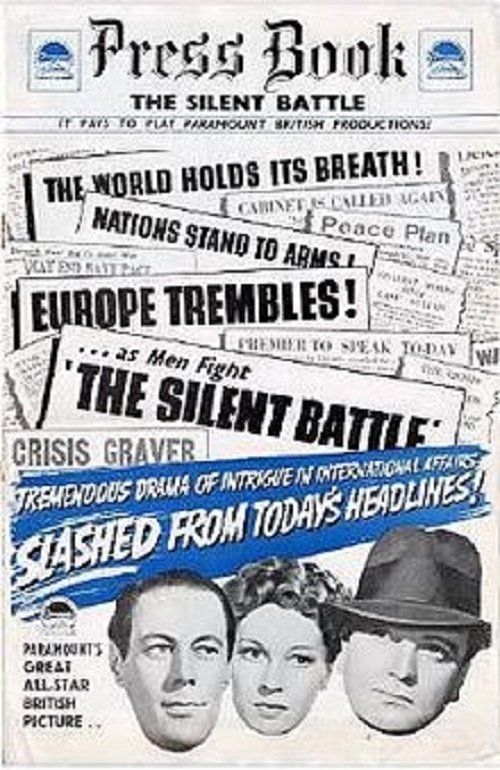
The Silent Battle
1939
No user ratings available yet
Representation score: 1.8 out of 10
Representation Score
Minimal
1948
ApprovedDirector
John Paddy Carstairs
Runtime
95 minutes
Average Rating
No ratings yetNew Showbiz Analysis
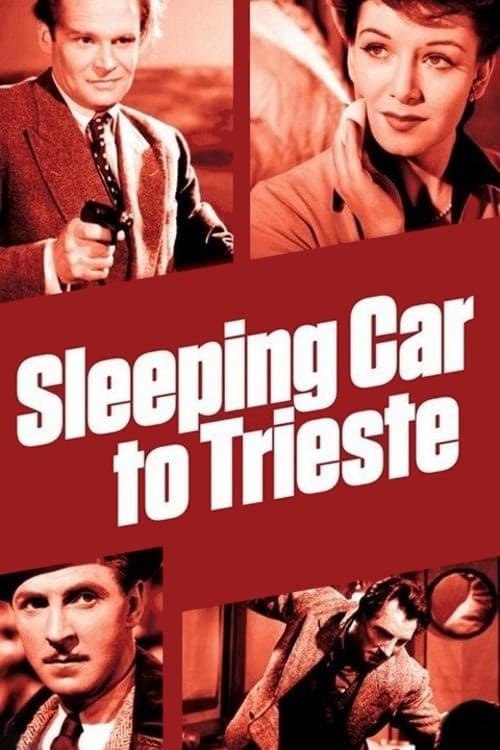
Sleeping Car to Trieste is a mid-century espionage thriller that prioritizes genre clichés and suspense over social representation. Set aboard the Orient Express, the film functions as a traditional piece of British cinema from 1948. The narrative structure follows the era's standard conventions, focusing on the pursuit of a stolen diary. This focus suggests a story driven by plot mechanics rather than the deconstruction of social norms or multi-layered identities. Ultimately, the film reflects the limited diversity landscape of its time, leaning into Eurocentric perspectives and traditional gender roles typical of post-war studio productions.
Category Breakdown
The film does not include any queer-coded subtext or non-cisgender identities. It adheres to the strict censorship standards of 1948 British cinema.
Female characters likely play traditional roles as romantic interests or victims. The narrative appears to follow conventional gender hierarchies common to mid-century thrillers.
The production likely defaults to a Eurocentric cast despite its transnational setting. It reflects the historical tendency toward homogeneous, Western-centric casting of the era.
The espionage plot reinforces established Western intelligence paradigms and geopolitical structures. It operates within the standard moral frameworks of the late 1940s.
There is no information available regarding the portrayal of physical or neurodivergent characters in this film.
Present on Screen
Limited or Absent
Official Synopsis
Spies pursue a stolen diary aboard the Orient Express.
1939
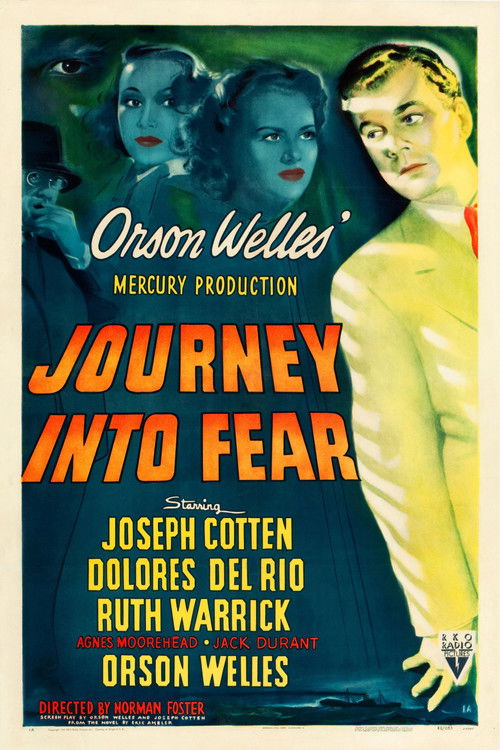
1943
1937
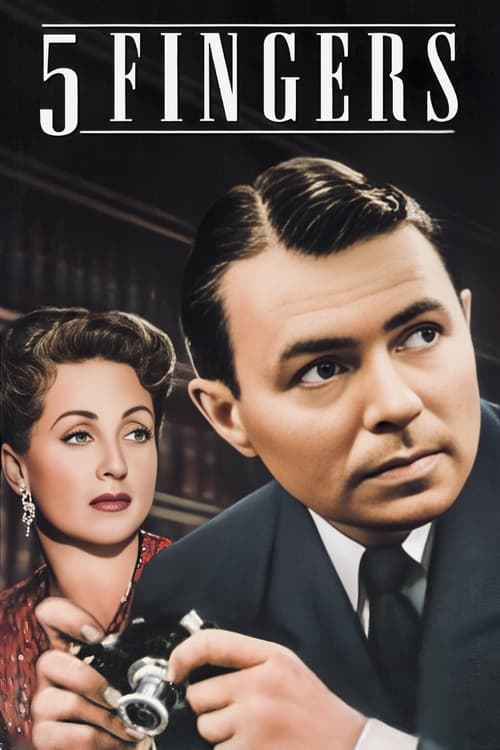
1952
1953
1949
1964
1946
No reviews yet. Be the first to share your thoughts on this movie!
Use the rating form above to leave a star rating and optional review.