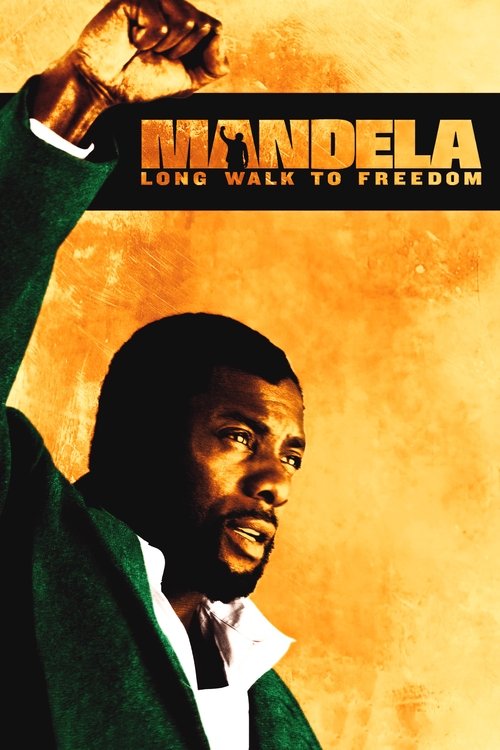
Mandela: Long Walk to Freedom
2013
No user ratings available yet
Representation score: 4.7 out of 10
Representation Score
Limited
2012
PG-13Director
Steven Spielberg
Runtime
150 minutes
Average Rating
No ratings yetNew Showbiz Analysis
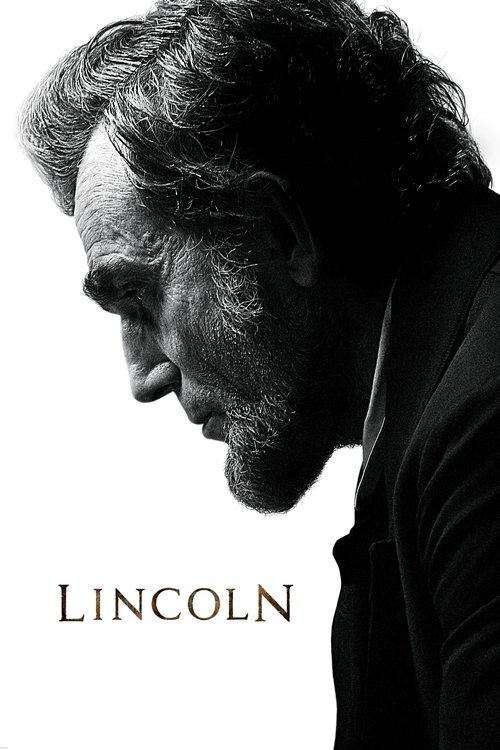
Lincoln is a traditional historical biopic that prioritizes period accuracy over modern demographic diversity. It examines systemic power and the moral costs of political progress. The film's primary strength lies in its engagement with racial justice, framing the fight against slavery as the central theme. It avoids including someone from a minority group without giving them real depth by making Black liberation integral to the plot. However, the film lacks LGBTQ+ and disability representation, and while it offers a nuanced portrayal of Mary Todd Lincoln, the narrative remains largely confined to the male-dominated political landscape of 1865.
Category Breakdown
The film follows the social structures of the mid-19th century, where there are no depictions of non-traditional gender identities or same-sex relationships.
While the political world is dominated by men, Mary Todd Lincoln is portrayed as a complex and influential figure rather than a submissive character, highlighting the tension between domestic life and political power.
The narrative focuses on dismantling racial hierarchies through the abolition of slavery. African American characters are integrated into the story, representing the struggle for liberation and ability to act.
The film explores moral ambiguity through political pragmatism, critiquing the complexities of Western institutions and showing how ethical maneuvering leads to transformative moral outcomes.
There are no prominent depictions of visible or invisible disabilities that serve as central character arcs or plot devices within the film.
Present on Screen
Limited or Absent
Official Synopsis
The revealing story of the 16th US President's tumultuous final months in office. In a nation divided by war and the strong winds of change, Lincoln pursues a course of action designed to end the war, unite the country and abolish slavery. With the moral courage and fierce determination to succeed, his choices during this critical moment will change the fate of generations to come.
2013

1959
2009
1990
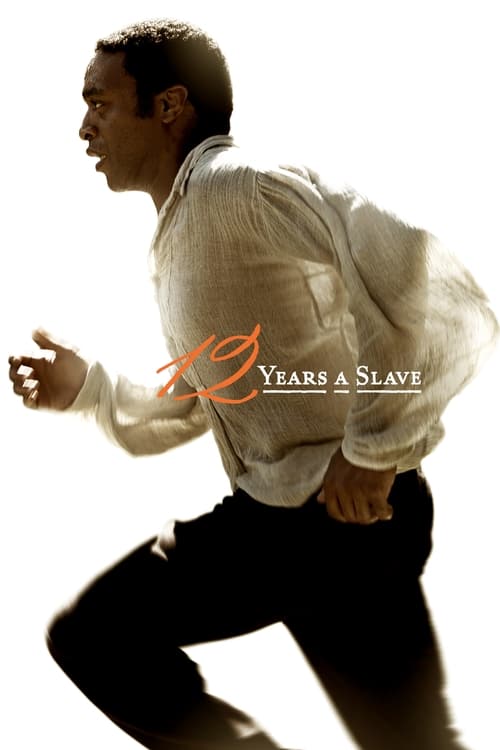
2013

2017
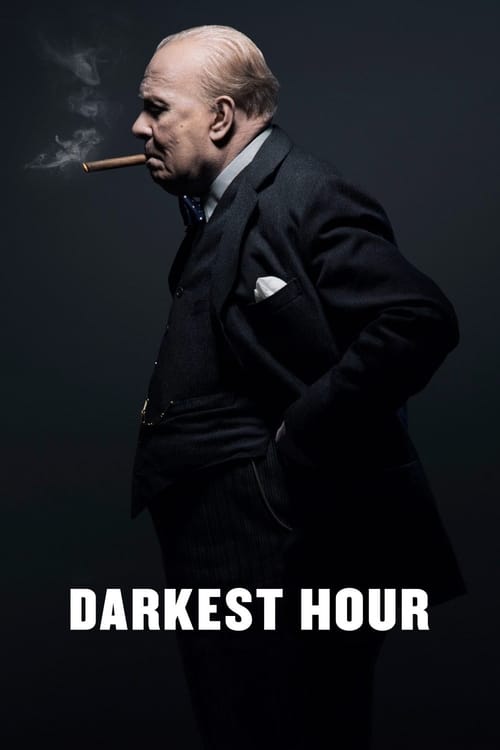
2017

2018
No reviews yet. Be the first to share your thoughts on this movie!
Use the rating form above to leave a star rating and optional review.