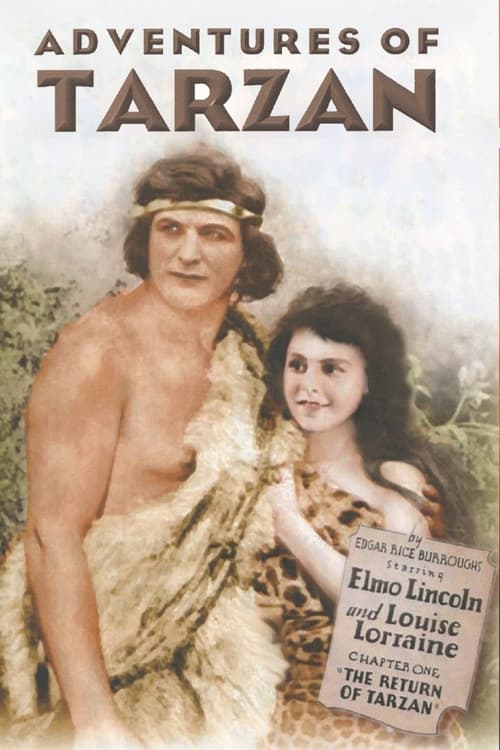
The Adventures of Tarzan
1921
No user ratings available yet
Representation score: 0.3 out of 10
Representation Score
Minimal
1921
PassedDirector
George B. Seitz
Runtime
250 minutes
Average Rating
No ratings yetNew Showbiz Analysis
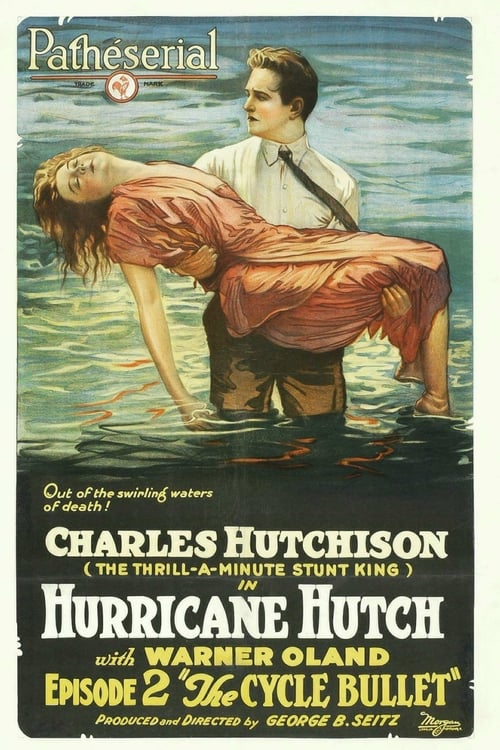
Hurricane Hutch is a traditional silent-era adventure centered around industrial competition and physical stunts. The plot revolves around a paper mill, a mortgage, and a lost seaweed-based formula. The film prioritizes kinetic storytelling and spectacle over sociological depth. Its narrative structure relies on conventional formulas of individual achievement and property rights rather than diverse representation. Ultimately, the work serves as a typical action piece of its era, reinforcing established social and industrial hierarchies of the 1920s.
Category Breakdown
The film does not include any non-straight or non-cisgender identities or same-sex relationships. It adheres to the social norms of the early 20th century.
The film includes daring feats, but there is no indication that it challenges traditional gender roles. The narrative focuses on male leads taking control of the story.
The story lacks characters of color and does not feature anyone from a non-Anglo-Saxon background with significant influence. It reflects the homogeneous casting standards of the 1921 adventure genre.
The plot emphasizes Western industrial values through themes of capitalism and intellectual property. There is no indication of secularism or questioning of Western institutions.
There are no characters with visible or invisible disabilities mentioned. Such characters are not used as plot devices.
Present on Screen
Limited or Absent
Official Synopsis
Story concerns a paper mill, a mortgage and the struggle to obtain the lost formula for making paper from seaweed. Star is given opportunity to introduce many daredevil features.
1921
1920
1934

1925

1928

1942

1928

1948
No reviews yet. Be the first to share your thoughts on this movie!
Use the rating form above to leave a star rating and optional review.