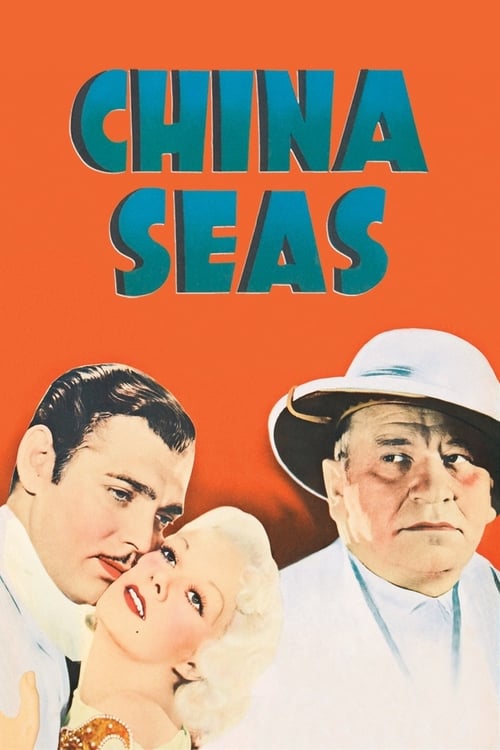
China Seas
1935
No user ratings available yet
Representation score: 1.6 out of 10
Representation Score
Minimal
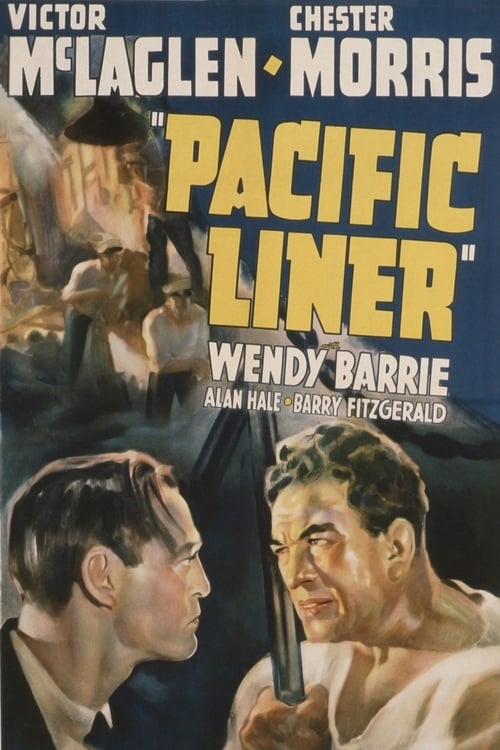
1939
ApprovedDirector
Lew Landers
Runtime
76 minutes
Average Rating
No ratings yetNew Showbiz Analysis
Pacific Liner is a conventional 1930s adventure drama that adheres to the commercial clichés of its era. The narrative structure prioritizes a standard romantic triangle and professional conflict over social complexity. The film relies on traditional gender roles and homogeneous casting, missing opportunities for diversity despite its international setting. It functions as a genre-driven B-movie focused on institutional stability and masculine competition. Ultimately, the film lacks intentional efforts to disrupt social hierarchies or incorporate perspectives that reflect multiple aspects of identity.
Category Breakdown
The film focuses on a traditional love triangle between two men competing for a female nurse. There is no representation of LGBTQ+ identities or critiques of heterosexual norms.
Ann Grayson mainly serves as a romantic catalyst and object of desire. The plot revolves around masculine competition, reinforcing traditional gender roles of the 1930s.
Despite the journey from Shanghai to San Francisco, the story centers on Western characters. The narrative lacks meaningful depth for non-white passengers.
The plot highlights professional hierarchy and managing an epidemic through institutional means. It prioritizes individual competence over any critique of Western or capitalist structures.
Although an epidemic is a key plot element, no characters with disabilities are shown with significant roles or importance to the narrative arc.
Present on Screen
Limited or Absent
Official Synopsis
The S. S. Arcturus sails from Shanghai to San Francisco, and Dr. Jim Craig takes the post of ship's physician in order to be near Ann Grayson, the ship's nurse. Chief Engineer 'Crusher" McKay also has his eyes on Ann, and this brings an immediate conflict between the two men. When an epidemic breaks out below decks, Craig tells McKay the engine-and-fire rooms must be put under quarantine, but all of Craig's efforts to keep the disease from spreading are opposed by McKay.
1935
1950
1971

1932

1942
1942
1948

1952
No reviews yet. Be the first to share your thoughts on this movie!
Use the rating form above to leave a star rating and optional review.