Antonio Vivaldi - A Prince in Venice
2007
No user ratings available yet
Representation score: 3.0 out of 10
Representation Score
Limited
2013
RDirector
Bernard Rose
Runtime
122 minutes
Average Rating
No ratings yetNew Showbiz Analysis
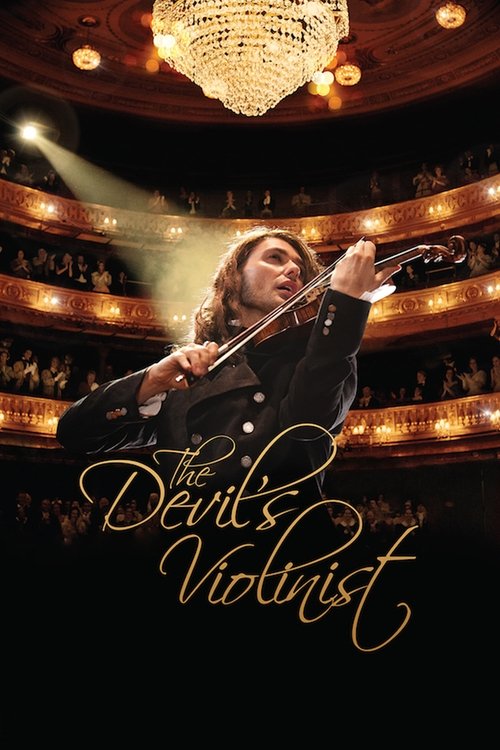
The Devil's Violinist is a period-specific character study that prioritizes a singular, male-driven descent into obsession. By adhering strictly to the social hierarchies of the 19th century, the film lacks complexity in representing multiple aspects of identity and fails to challenge conventional demographic patterns. While the film captures the atmospheric darkness of its setting, it does so through a narrow lens. The narrative focuses on the protagonist's internal struggle and supernatural pacts rather than exploring a diverse range of identities or social perspectives. Ultimately, the film functions as a classical drama that reinforces traditional structures of gender, race, and social roles, offering very little representation outside of its central white, male figure.
Category Breakdown
The film centers on a Faustian struggle and the protagonist's obsession with musical mastery. It adheres to conventional 19th-century romantic structures without exploring non-straight or non-cisgender identities.
Narrative ability to act is concentrated almost exclusively in the male protagonist. Female characters serve primarily as emotional anchors or foils within a traditional patriarchal framework.
The cast is predominantly white, reflecting the historical constraints of 19th-century Europe. The film does not present a multicultural ensemble or utilize casting actors from different backgrounds.
Gothic horror elements utilize religious iconography to explore moral decay. The story focuses on individualistic obsession rather than critiquing Western institutions like religion or family.
The film explores the psychological toll of virtuosity but lacks an explicit focus on neurodivergence or physical disability. The protagonist's isolation is framed through supernatural pacts.
Present on Screen
Limited or Absent
Official Synopsis
The life story of Italian violinist and composer, Niccolò Paganini, who rose to fame as a virtuoso in the early 19th Century.
2007
1994
1990
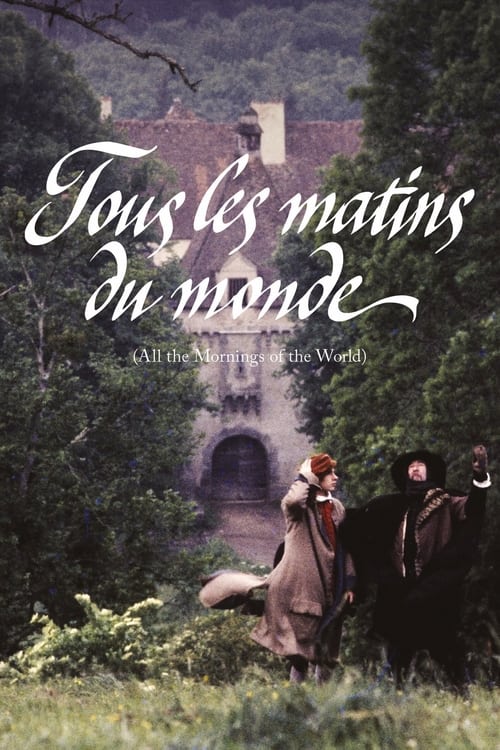
1991
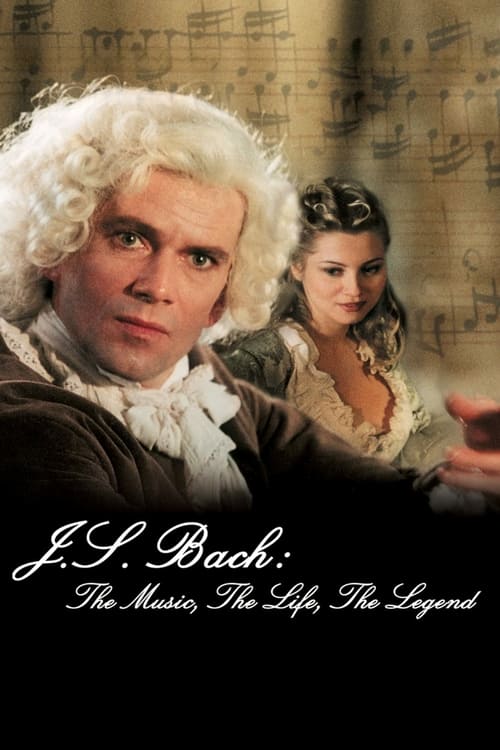
2003
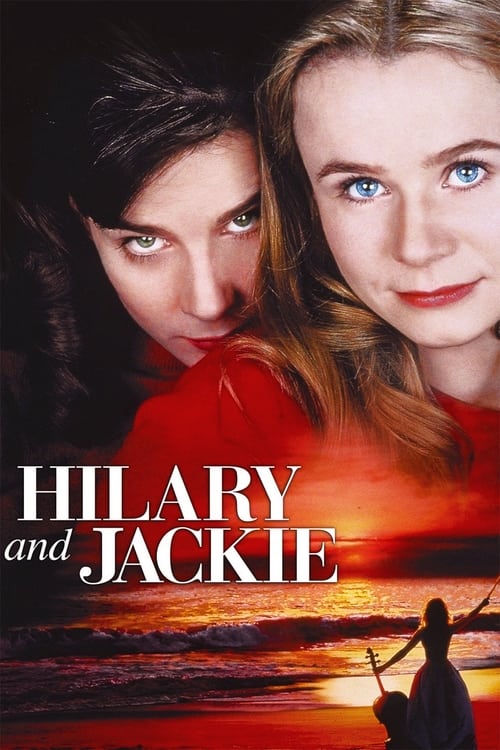
1998
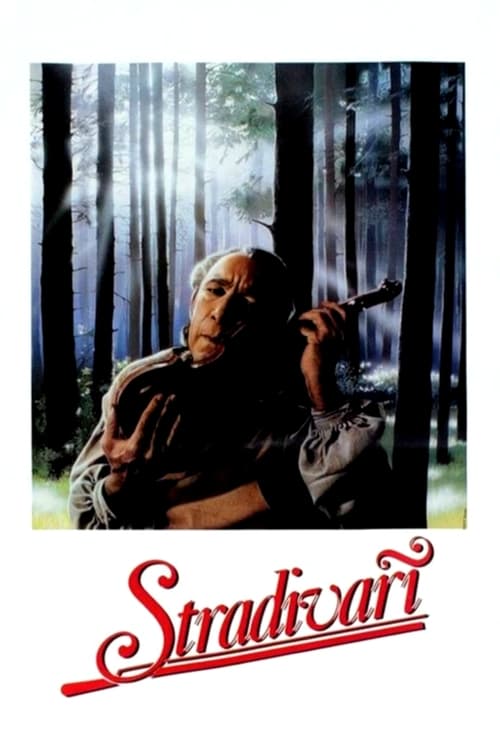
1988
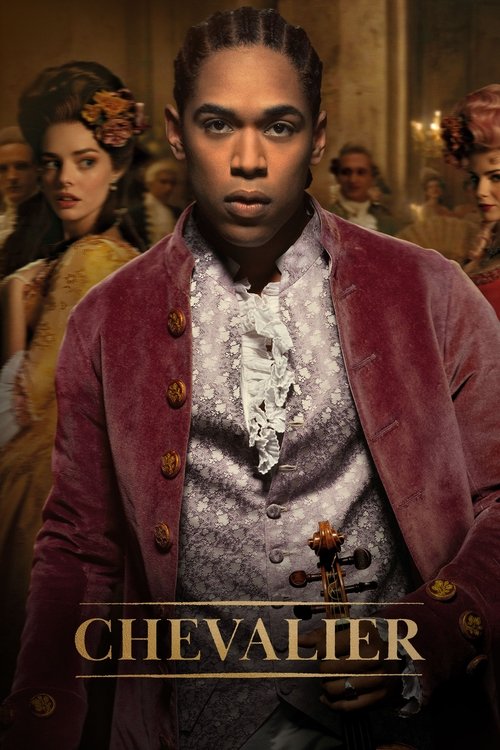
2023
No reviews yet. Be the first to share your thoughts on this movie!
Use the rating form above to leave a star rating and optional review.