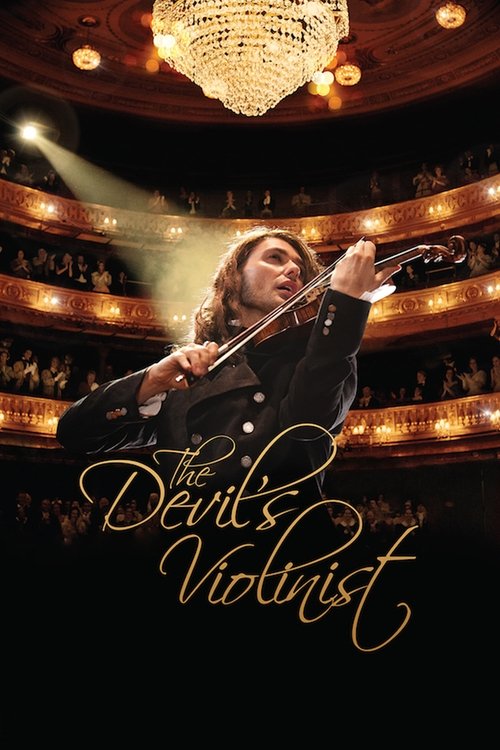
The Devil's Violinist
2013
No user ratings available yet
Representation score: 3.4 out of 10
Representation Score
Minimal
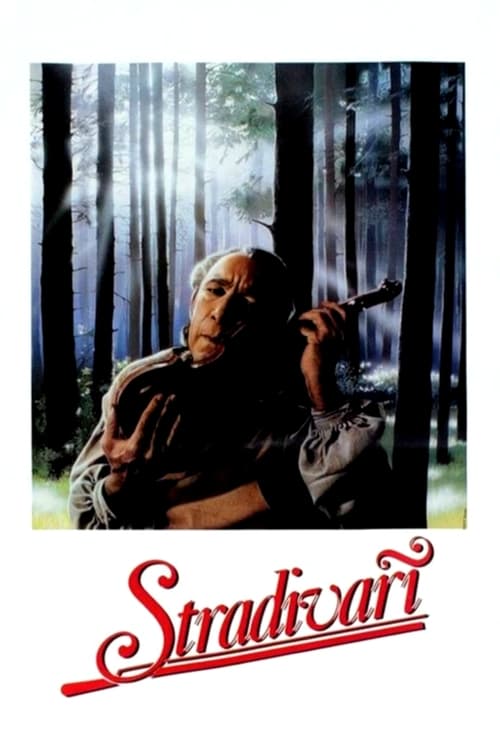
1988
Director
Giacomo Battiato
Runtime
110 minutes
Average Rating
No ratings yetNew Showbiz Analysis
Stradivari is a period drama that focuses on the life of a master craftsman in 17th-century Italy. The narrative adheres closely to the social and cultural norms of the time, emphasizing a traditional biographical approach. Since the film centers on a singular historical experience, it lacks diverse representation. Character arcs are driven by traditional gender roles and social hierarchies, presenting a portrait of the era without challenging its norms. Overall, the film celebrates individual achievement within a historical framework, resulting in a narrow scope of identity representation.
Category Breakdown
The film follows a traditional heterosexual romantic storyline. It does not include any characters with non-cisgender identities.
Women in the film are primarily portrayed through their domestic and romantic relationships with the main character. They serve as emotional anchors but do not have significant control over the plot.
Set in 17th-century Northern Italy, the film features a homogeneous Eurocentric cast. There are no non-white characters given substantial roles.
The story emphasizes individual success within established Western systems. It aligns with classic themes of upward mobility rather than challenging historical institutions like the monarchy.
The film does not depict any characters with physical or neurodivergent disabilities.
Present on Screen
Limited or Absent
Official Synopsis
As a boy the orphan Antonio Stradivari heard for the first time in his life the sound of a violin and he was fascinated by its voice. He tried to construct a violin and attracted the attention of Niccolò Amati, a famous lutist of Cremona. Antonio became apprentice in his bottega (workshop). Grown up, he fell in love for Francesca and he succeeded in marrying her. Afterwards he became more and more famous for his violins and he was granted a diploma from the king of Spain. After the death of his wife he was almost forced to marry again. He was chosen by Antonia Maria and it will be a happy marriage. In the background we have a look at the history of Northern Italy during the seventeenth century.
2013
1991
2007
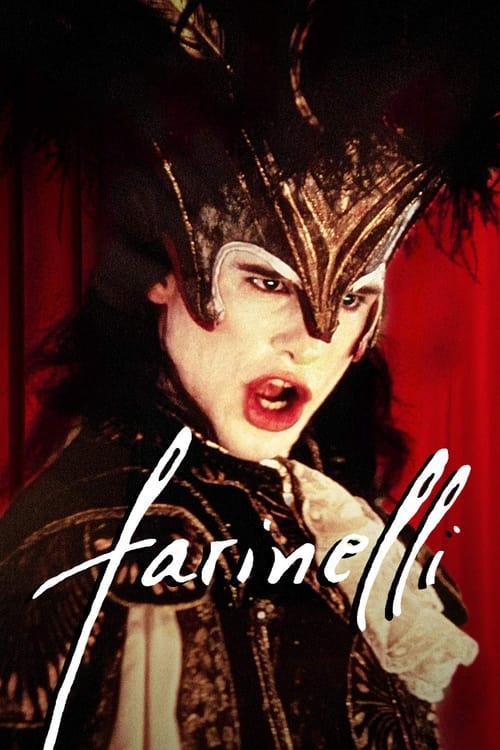
1994
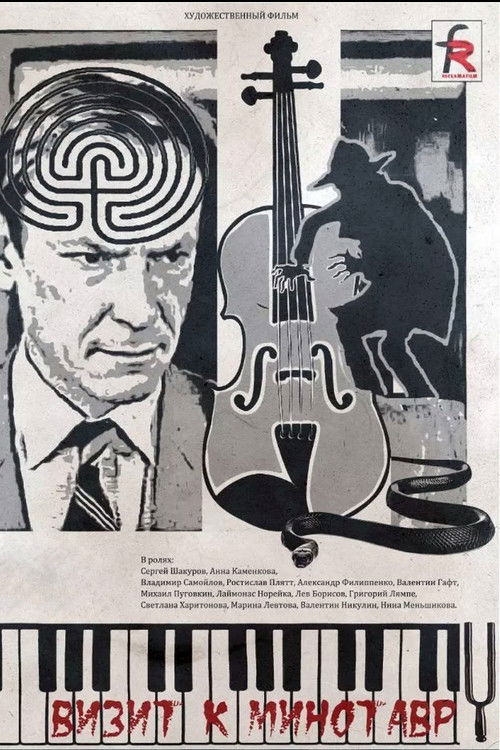
1987
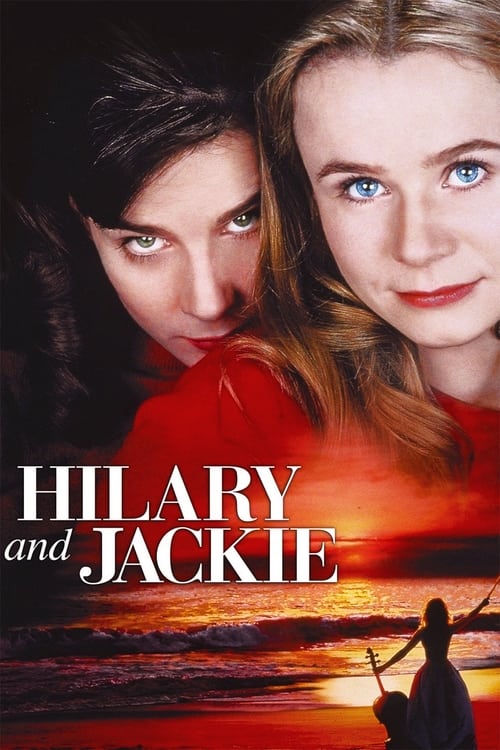
1998
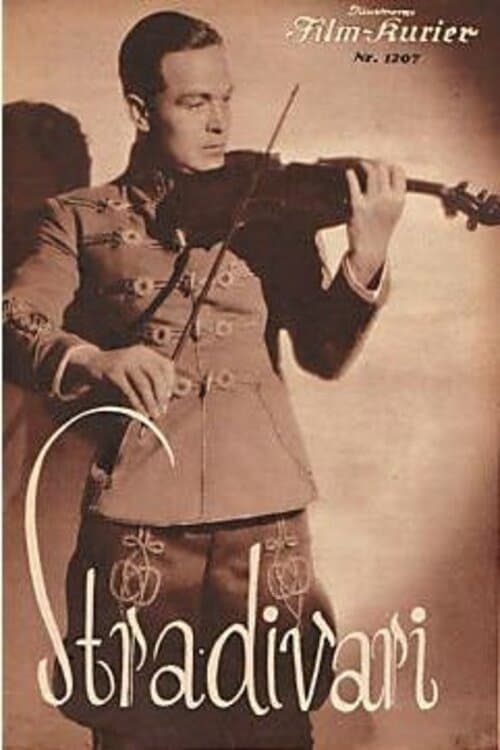
1935
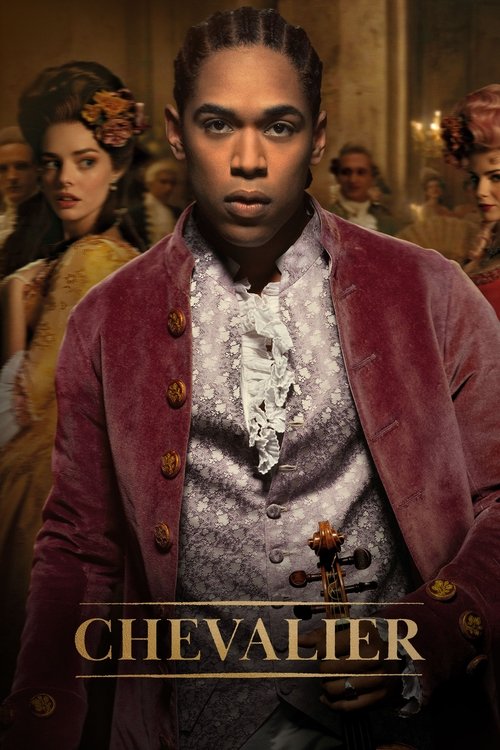
2023
No reviews yet. Be the first to share your thoughts on this movie!
Use the rating form above to leave a star rating and optional review.