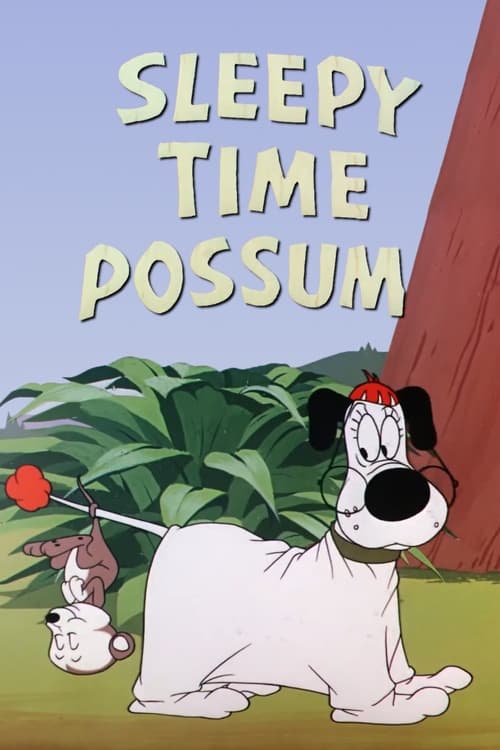
Sleepy Time Possum
1951
No user ratings available yet
Representation score: 1.7 out of 10
Representation Score
Minimal
1960
ApprovedDirector
Robert McKimson
Runtime
6 minutes
Average Rating
No ratings yetNew Showbiz Analysis
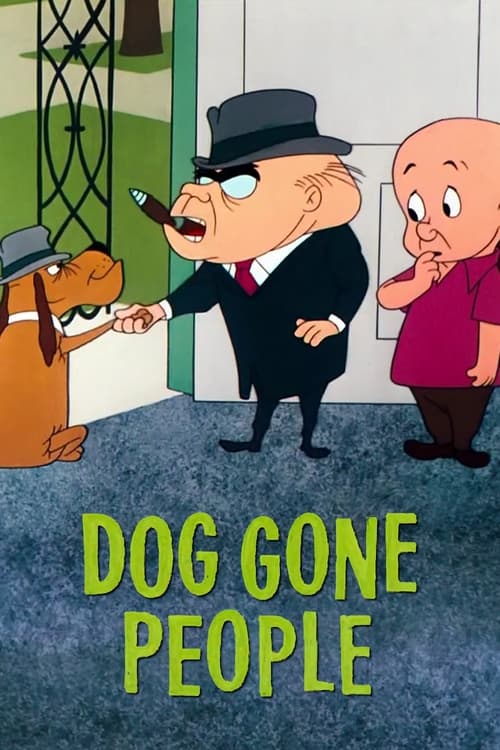
Dog Gone People is a character-driven comedic short that adheres to the conventional demographic frameworks of 1960s mainstream animation. The narrative centers on Elmer Fudd's professional anxieties and the absurdity of anthropomorphizing a pet. Since the film focuses on masculine social climbing and traditional workplace hierarchies, it lacks depth in representing various identities. The representation is limited to the homogeneous casting and social structures of its era. Ultimately, the film serves as a period-specific slapstick piece rather than a work that challenges or expands upon established social or cultural norms.
Category Breakdown
The film does not include any characters with LGBTQ+ identities. The story revolves around traditional professional and family conflicts.
The story centers on Elmer Fudd, a male character dealing with workplace dynamics. There are no female characters or subversion of gender roles.
The short reflects the homogeneous casting typical of 1960s studio animation. It lacks any indication of a diverse cast or inclusive demographics.
The plot emphasizes traditional Western social structures and professional hierarchies. It explores maintaining social and career standing through humor.
There is no information about the depiction of physical disabilities or neurodivergence in this short.
Present on Screen
Limited or Absent
Official Synopsis
Hoping for a promotion, Elmer Fudd agrees to take care of his boss' dog and finds he must treat the pooch as a human.
1951
1952
1962
1949
1960

1951
1963
1954
No reviews yet. Be the first to share your thoughts on this movie!
Use the rating form above to leave a star rating and optional review.